
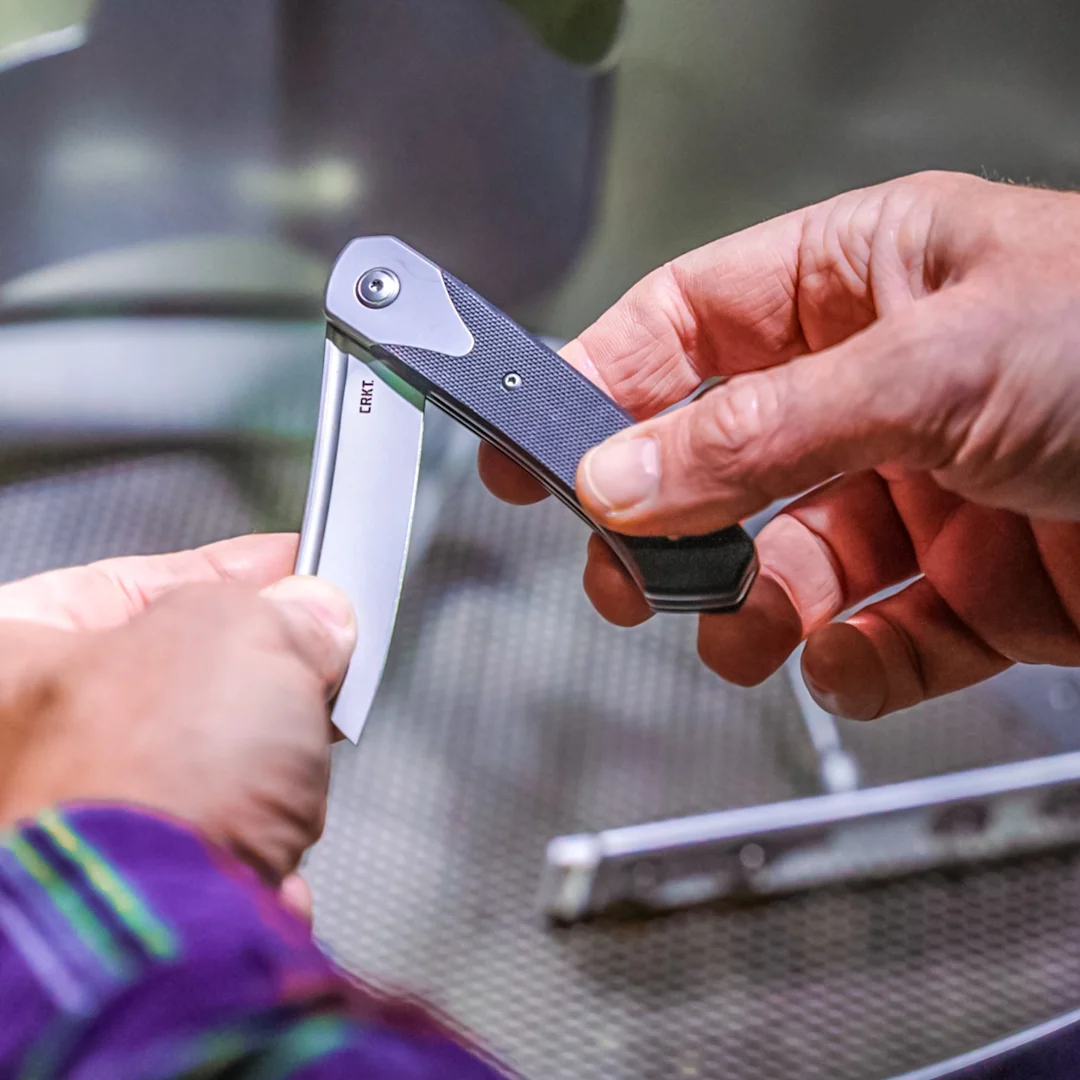
Have you ever packed for a trip and thrown in a random tool “just in case,” only to realize later it wasn’t quite right for what you needed? A folding pocket knife often falls into that category, picked quickly, rarely questioned, and then quietly judged when it doesn’t perform the way you expected.
The thing is, a good knife doesn’t just sit in your pocket. It becomes part of your rhythm, opening packages on the go, cutting fruit during a roadside stop, fixing small annoyances that pop up when you’re away from home. It’s one of those items you don’t think much about… until you really need it.
And when that moment comes, the difference between a thoughtful choice and an impulse buy becomes obvious. Not unrealistic or loud, but enough to make you wish you had paused and asked a few better questions before buying.
Below are the key questions worth asking before you decide which one to carry.
1. Are you choosing the knife for a specific purpose?
A lot of people buy a folding pocket knife based on looks or a quick recommendation, without thinking through how they’ll actually use it. That’s where mismatches happen.
If your needs are mostly everyday, opening packages, light cutting, small fixes, you don’t need an oversized or heavy-duty design. But if you’re planning to use it during travel, camping, or tougher outdoor situations, then strength and blade durability start to matter more.
Before buying, pause and define the primary use. Not in vague terms, but clearly. It narrows your options fast and saves you from ending up with something that feels wrong after a few uses.
2. Is the locking mechanism something you trust?
This is where things get serious. A folding knife is only as safe as its lock. If it fails, even once, that’s enough. Common types include liner locks, frame locks, and lockbacks. Each has its own feel and reliability factor.
When exploring different options, especially within collections like these thoughtfully designed folding pocket knives, you start to notice how much engineering goes into something that seems so simple at first glance.
The way a knife opens, how it settles in your hand, how solid the lock feels after repeated use. Some brands, like Columbia River Knife & Tool, tend to come up in these conversations not because of hype, but because people have actually used them over time and noticed the difference.
3. Can you open it easily when it actually matters?
It’s easy to assume this won’t be an issue, until you’re holding something in one hand and trying to open your knife with the other. That’s usually when you realize how important this detail is.
Not every folding knife is designed for smooth, one-handed use. Some feel stiff, others require just the right angle, and a few open effortlessly without you even thinking about it. That difference shows up in everyday moments, not just extreme situations.
It’s not about speed, it’s about ease and consistency. If opening the knife ever feels like a small effort instead of a natural motion, that friction adds up over time. And once you notice it, you won’t be able to ignore it. As highlighted in Ottawa Public Health’s knife safety guide, proper knife handling depends heavily on control, stability, and ease of use, factors that directly influence how naturally and safely a knife can be operated, especially with one hand.
4. What kind of steel are you really getting?
This is one of those details that sounds technical at first, but it quickly becomes practical once you’ve used a knife for a while. You don’t need to dive deep into steel grades, just understand how different types behave in everyday situations.
What really matters tends to show up over time, not on day one:
- holds edge longer, harder to sharpen
- dulls faster, easier to maintain
- resists rust vs needs more care
A blade that constantly needs attention can become frustrating, especially when you’re traveling or outdoors.
On the flip side, a knife that keeps its edge for longer might save you effort in the long run, but only if you’re okay sharpening it properly when the time comes. Even simple habits around how you handle and maintain a knife can reduce risk significantly, something also highlighted in workplace safety guidance on preventing knife accidents
5. Will you actually carry it, or just keep it around?
This is where a lot of good knives quietly fail. Not because they’re poorly made, but because they don’t fit into your everyday routine. A knife can look great, feel solid, and still end up sitting in a drawer. Maybe it’s a bit too heavy, slightly bulky, or just awkward enough in your pocket that you stop reaching for it.
Pay attention to the practical side of carrying it:
- does it sit comfortably in your pocket
- is the weight noticeable after a few hours
- does the clip feel secure without being too tight
These aren’t big issues individually, but together they decide whether the knife becomes part of your daily carry, or something you forget you even own.
Conclusion
A folding pocket knife isn’t something you buy often, but when you do, it tends to stick with you for a while. That’s why the small decisions matter more than they seem at first. Not just the blade or the design, but how it fits into your day, your habits, and the kind of situations you actually find yourself in.
It’s easy to get drawn in by how a knife looks or feels in a quick moment. What’s harder and more useful is thinking a step ahead. How will it perform after a week? A month? Will it still feel right when you’re using it without thinking? The right choice usually doesn’t stand out immediately. It grows on you. Quietly, by doing exactly what you need it to do, nothing more, nothing less.
Leave a Reply