
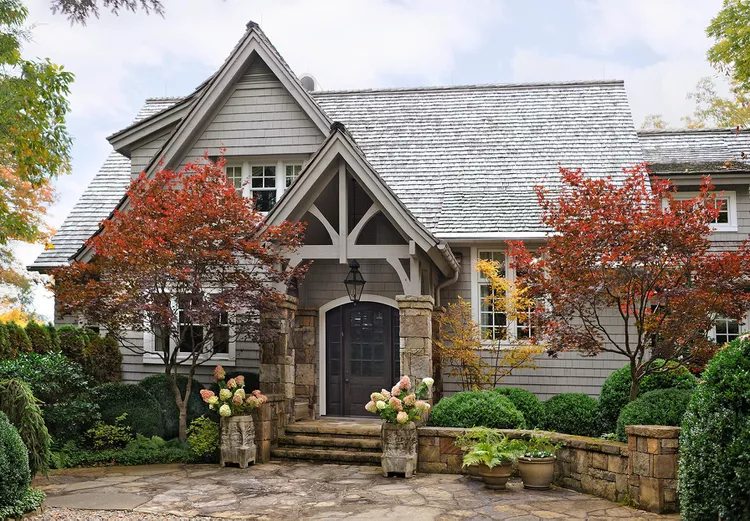
Every home needs a roof, but when it comes to buying an older home, many people overlook this core part of the structure.
There are many facrors that can impact how long a roof lasts and, and in the long term, if you don’t maintain your roof, or spot the signs that it needs to be replaced or repaired, it can cost you a fortune.
So, if you are buying a home and need some insight into what to look for in a healthy roof, read on, as here, you will be guided through some of the signs that you need to get someone in to take a peek at your roof.
How Long Do Roofs Last?
When you buy a home, one of the core features that will impact how much it sells for is the age of the roof and the material it is made from.
As there are many different types of roofing material, you will need to know when the roof was last replaced and what the base material is. As many roofs are made of shingles or slate, the lifespan is long but not indefinite.
For natural slate roofs, you can expect a complete roof replacement with this material to last between 80 and 100 years. However, many modern homes have been made with asphalt shingles, which have a lifespan of between 15 and 25 years. Metal roofing is becoming more common and interestingly, it also has a remarkable lifespan of 40-70 years.
So, be sure to check the material and note when the last repair or full replacement occurred to get an idea of when the next replacement may be needed.
Signs It Needs to Be Replaced
Of course, even with these estimates, there are times when the weather can impact the durability of a roof and can speed up the repair and replacement process.
If your roof is in urgent need of replacement or repair, here are some of the signs to look out for:
Water Stains or Damp Patches
Damp, water stains, or drips on the upper floor are never a good sign.
It is important to differentiate between damp caused by condensation, versus damp caused by a leak in the roof. Brown or yellow stains on the ceiling are often indicators of a historic leak, which should be investigated if you are aiming to buy the property. It is also worth checking the section between the wall and the ceiling in the upper-floor rooms, as this is where you may find drip stains, which could point to an issue with the guttering but may also signify an issue with the roof.
If there is wallpaper in the bedrooms, you may notice peeling and the presence of mold behind the wallpaper. This is a red flag that needs to be investigated, especially if it is paired with water stains, mold and high humidity.
Damaged or Missing Tiles and Shingles
Looking at the roof from the outside, are there signs of missing shingles in the driveway or garden, or are there shingles on the floor? What about the gutters?
Shingles are usually displaced by high winds or even heavy objects coming into contact with the roof. So, if you live in a windy area, your shingled roof is likely to suffer from missing tiles or loose tiles, and the chance of rainwater getting in goes up.
In cases where a few tiles have been blown away, you can opt for a minimal repair job. If there are multiple shingles that are missing or damaged, then you will likely need to have a full replacement to keep the integrity of your roof intact.
Higher Energy Bills
Of course, it isn’t always as obvious as leaks or missing tiles that there is a problem with your roof. It could be a minor issue, such as a gap near the guttering, which doesn’t let a lot of water in but is letting heat out of your home.
When you are paying your energy bills, be sure to check the price. Is it going up gradually? The roof is a key insulator for your home, and when it is in good shape, it will prevent heat from getting out, helping to keep your home warm. However, if there are gaps or slight damage, the heat can escape and make your home colder, pushing the heating costs up.
Moss Growth
Most people are aware of moss but when it comes to your roof, it can be a big issue.
As moss grows, it can push the tiles or shingles apart, which can let water into the interiors of your roof. However, extensive moss levels can also highlight an underlying issue with moisture on your roof, creating a runaway effect. If your roof is damp and not drawing water away, there is a higher chance of moss, which can let more water through the barrier.
Luckily, there are many roof maintenance services that can remove moss from your roof and help refit the tiles that may have been loosened or fallen off.
Uneven Appearance
An uneven roof can be hard to spot but it is common in properties that have older joints and supports. In simple terms, the wood may have rotted or been penetrated by water, making it swell, which can push parts of the roof up or, if it rots, it can stop bearing the weight well, causing the roof to sag. Sadly, when this happens, repair is no longer an option and you will need to pay for a complete replacement of the roof, as well as the joints and supports.
Many modern buildings have switched from wooden options to metal ones, which eradicates the concern about rot or swelling. Even if your roof isn’t completely caved in, or even if it doesn’t have a noticeable dip, a small change in the angle of the roof can cause tiles to fall off, which will let more water in. So, it’s best to get any angling issues sorted sooner rather than later, or you will likely end up with more expensive work on your home, which takes longer to resolve.
Leave a Reply