
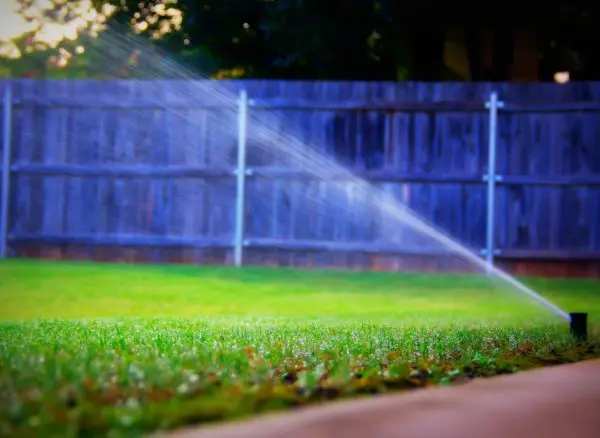
A sprinkler system is designed to make lawn care easier and more efficient. With the right setup, grass and plants receive the water they need without requiring constant attention from the homeowner. However, when something in the system stops functioning properly, water can quickly be wasted without anyone realizing it.
Many homeowners only discover a problem after noticing a sudden increase in their monthly water bill or patches of lawn that seem unusually wet or dry. Small issues in irrigation systems often develop gradually, but over time, they can lead to unnecessary water usage and higher utility costs. Recognizing the warning signs early can help prevent these problems from escalating.
Let’s look at several sprinkler system issues that may be quietly increasing your water bill.
1. Hidden Leaks in Sprinkler Heads or Lines
One of the most common reasons for water waste is a leak somewhere within the irrigation system. These leaks may occur in sprinkler heads, underground pipes, or connections between components. Because much of the system is buried below the surface, leaks are not always obvious at first.
Homeowners sometimes notice small puddles forming around sprinkler heads or unusually green patches of grass in certain areas of the yard. These can be signs that water is escaping where it shouldn’t. In these situations, many property owners consult sprinkler repair experts to locate the source of the problem and restore the system’s efficiency. Companies such as Chuck’s Landscaping often inspect irrigation systems, repair damaged lines, and ensure sprinkler components are working correctly. This way water is distributed properly throughout the landscape.
2. Misaligned or Damaged Sprinkler Heads
Sprinkler heads are exposed to lawn mowers, foot traffic, pets, and natural ground movement. Over time, they can shift out of position or become damaged. When this happens, water may begin spraying sidewalks, fences, or driveways instead of reaching the plants that actually need it.
This problem not only wastes water but also reduces the effectiveness of the entire irrigation system. Areas of the lawn may become overwatered while others remain dry. Regularly checking the direction and condition of sprinkler heads can help prevent this issue and ensure water coverage remains balanced across the yard.
3. Broken or Aging Underground Pipes
Another issue that can dramatically increase water bills is damage to underground irrigation pipes. Tree roots, shifting soil, or normal wear over time can cause pipes to crack or separate.
When a pipe breaks underground, large amounts of water may be lost before the issue becomes visible. Homeowners may notice soggy areas in the yard, sudden drops in water pressure, or unusually lush sections of grass that receive excess moisture. Repairing damaged pipes quickly can prevent water waste and help restore proper system performance.
4. Incorrect Watering Schedules
Many modern sprinkler systems rely on timers or smart controllers to regulate watering schedules. While automation is convenient, incorrect settings can cause the system to run longer than necessary or water the lawn too frequently.
Seasonal changes play a major role in how much water a landscape actually needs. A schedule that works during hot summer months may waste water during cooler periods. Adjusting irrigation settings periodically ensures that the system provides just the right amount of water without overdoing it.
5. Clogged or Inefficient Sprinkler Nozzles
Over time, debris, dirt, or mineral buildup can clog sprinkler nozzles. When this happens, water flow becomes uneven, causing certain areas to receive too much water while others receive too little.
Clogged nozzles can also reduce water pressure, which affects how efficiently the system operates. Cleaning or replacing these parts helps restore proper water distribution and prevents the system from working harder than it needs to.
6. Excessive Water Pressure
Water pressure that is too high can cause sprinklers to mist instead of delivering water directly to the ground. When water turns into a fine spray, much of it evaporates before it even reaches the lawn.
High pressure can also put stress on sprinkler components, leading to broken heads, damaged valves, or leaks. Installing pressure regulators or adjusting system settings can help maintain an efficient irrigation system and reduce water waste
7. Lack of Regular System Inspections
Many irrigation problems develop slowly and go unnoticed for long periods. Without routine inspections, small issues such as minor leaks, worn components, or misaligned heads can eventually turn into significant water waste.
Scheduling periodic system checks helps identify problems before they become costly. Regular maintenance also ensures that all parts of the sprinkler system are functioning together efficiently.
Conclusion
Sprinkler systems are meant to simplify lawn care, but hidden problems can sometimes cause them to use far more water than necessary. Issues like leaks, damaged components, or incorrect watering schedules may quietly increase water bills over time. By paying attention to these potential problems and addressing them early, homeowners can maintain a healthy landscape while also keeping water usage under control.
Leave a Reply