
If you’ve just been referred to an oral and maxillofacial surgeon for the first time, there’s a reasonable chance you had to read the name twice. It’s a specialty that most people don’t encounter until they need it — and by the time they do, they’re often dealing with something that already has them a bit anxious.
The good news: oral and maxillofacial surgery (OMS) is a well-established, highly specialised field with a long track record of successful outcomes for conditions that general dentists and GPs aren’t trained to manage. This guide breaks down what it actually is, what OMS surgeons do, and what to expect if you’re heading into your first consultation.
What Does Oral and Maxillofacial Surgery Actually Cover?
The name gives you a clue. “Oral” refers to the mouth and teeth. “Maxillofacial” refers to the jaws (maxilla is the upper jaw, mandible is the lower), the face, and the structures of the skull and neck. Put together, OMS is the surgical specialty responsible for the diagnosis and treatment of conditions affecting all of these areas.
It’s a broader scope than most people expect. OMS surgeons complete dental school followed by a minimum four-year hospital-based surgical residency — more training than any other dental specialty. Many also complete additional fellowship training in subspecialties like orthognathic surgery, craniofacial surgery, or oncology. The result is a practitioner who straddles dentistry and medicine in a way that’s genuinely unique.
Common Reasons People See an OMS Surgeon
The most common reasons patients are referred — or refer themselves — to an OMS specialist include:
- Wisdom tooth removal: Particularly for impacted or partially erupted wisdom teeth that carry a higher surgical risk than routine extractions.
- Dental implants: The surgical placement of titanium implant posts into the jawbone, including bone grafting when bone volume is insufficient.
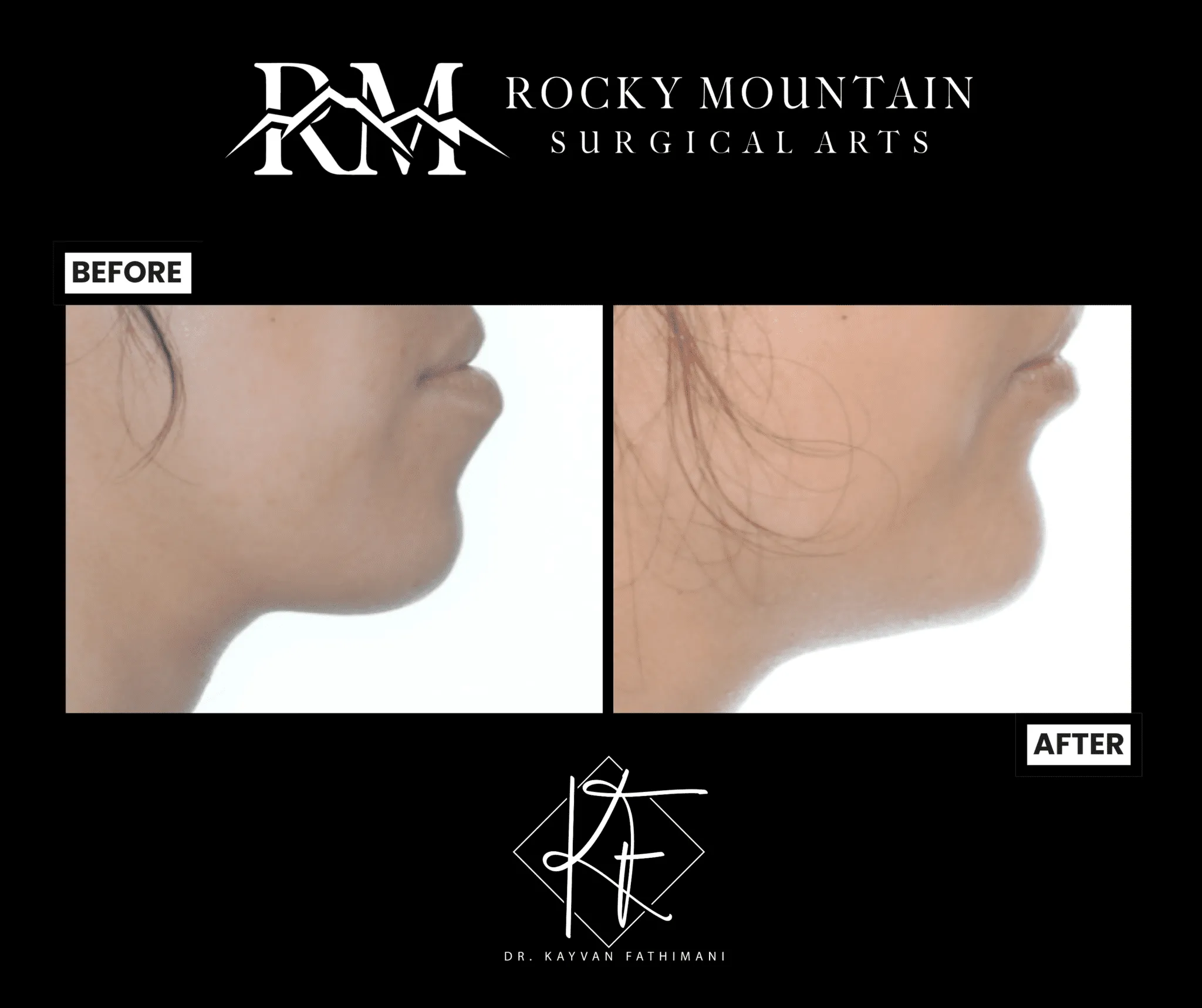
- Jaw surgery (orthognathic surgery): Correction of jaw discrepancies that affect bite, breathing, chewing, and facial proportions.
- TMJ disorders: Assessment and treatment of temporomandibular joint problems, ranging from conservative management to surgical intervention.
- Facial trauma: Jaw fractures, cheekbone and orbital fractures, facial lacerations, and knocked-out or damaged teeth following accidents.
- Oral pathology: Evaluation and biopsy of oral lesions, cysts, tumours, and conditions that may indicate oral cancer.
- Sleep apnea: Surgical options, including jaw advancement procedures for patients with obstructive sleep apnea who haven’t responded to CPAP or other conservative treatments.
According to the American Association of Oral and Maxillofacial Surgeons, over 11 million wisdom tooth extractions are performed in the United States each year — and the vast majority of complex cases are handled by OMS specialists. That’s just one procedure in a specialty that covers a wide range of surgical needs.
What Makes OMS Training Different From a Regular Dentist
This question comes up often, and it’s a fair one. General dentists are skilled in a wide range of preventive and restorative care. But surgical treatment of the jaw, face, and associated structures requires a different level of anatomical knowledge, surgical skill, and access to hospital-grade facilities and anaesthesia.
OMS residency programs are hospital-based and include rotations through general surgery, anaesthesia, emergency medicine, and internal medicine — alongside the surgical training specific to the specialty. Graduates are qualified to administer and manage all levels of anaesthesia, from local to general, which is part of why complex procedures that wouldn’t be appropriate in a dental chair are routine in an OMS setting.
For patients exploring what their options actually are, a consultation focused on oral and maxillofacial surgery with Dr. Kayvan Fathimani at Rocky Mountain Surgical Arts gives you more than a treatment recommendation — it gives you a proper assessment of your anatomy, a clear explanation of what’s actually going on, and a realistic picture of what any recommended procedure involves before you commit to anything.
What to Expect at Your First OMS Consultation
A first consultation with an OMS surgeon is an assessment appointment, not a procedure day. Here’s what typically happens:
- Medical and dental history review. The surgeon will want to understand any health conditions, medications, previous surgeries, and the history of the current concern.
- Clinical examination. A direct look at the area in question — jaw, teeth, oral tissues, or face, depending on your reason for visiting.
- Imaging. X-rays or cone beam CT (CBCT) scans are standard for most OMS conditions. These give the surgeon the three-dimensional view of bone and tissue needed for accurate planning.
- Diagnosis and treatment discussion. The surgeon will explain what’s going on, what the treatment options are, what each involves, and what the expected outcomes look like.
You won’t be rushed into anything. A good OMS consultation gives you time to ask every question, understand the options, and make an informed decision. If you’re coming with a referral, bring all the relevant records and any imaging you already have — it saves time and helps the surgeon give you a more thorough assessment from the start.
Is the Procedure Covered by Insurance?
Whether OMS procedures are covered depends on the nature of the condition and your plan. Functional procedures — those that address medical conditions rather than aesthetic concerns — often qualify for medical or dental insurance coverage. Jaw surgery for sleep apnea or bite correction may be covered by medical insurance. Wisdom tooth removal and implants may fall under dental. Trauma-related care is frequently covered by medical insurance.
At Rocky Mountain Surgical Arts, the team works with both dental and medical insurance plans and can help clarify coverage before any treatment is scheduled. The consultation process includes a benefits review, so you’re not walking in blind on the financial side.
Quick Reference: OMS at a Glance
Everything you need to remember:
- OMS is the surgical specialty for the mouth, jaws, face, and neck. It sits between dentistry and medicine.
- Training is extensive. 4+ years of hospital-based surgical residency on top of dental school.
- Common procedures include: wisdom teeth, implants, jaw surgery, TMJ treatment, facial trauma, and oral pathology.
- A consultation is an assessment, not a commitment. You leave with information, not stitches.
- Insurance coverage often applies for functional OMS conditions — worth verifying before assuming it’s all out of pocket.
If you’ve been referred or you’ve been sitting with a jaw, bite, or oral health concern that nobody’s been able to fully resolve, an OMS evaluation is the right next step. Rocky Mountain Surgical Arts offers an accessible, thorough consultation process — the kind where you walk out actually understanding your situation, not just holding a treatment estimate.
Leave a Reply