
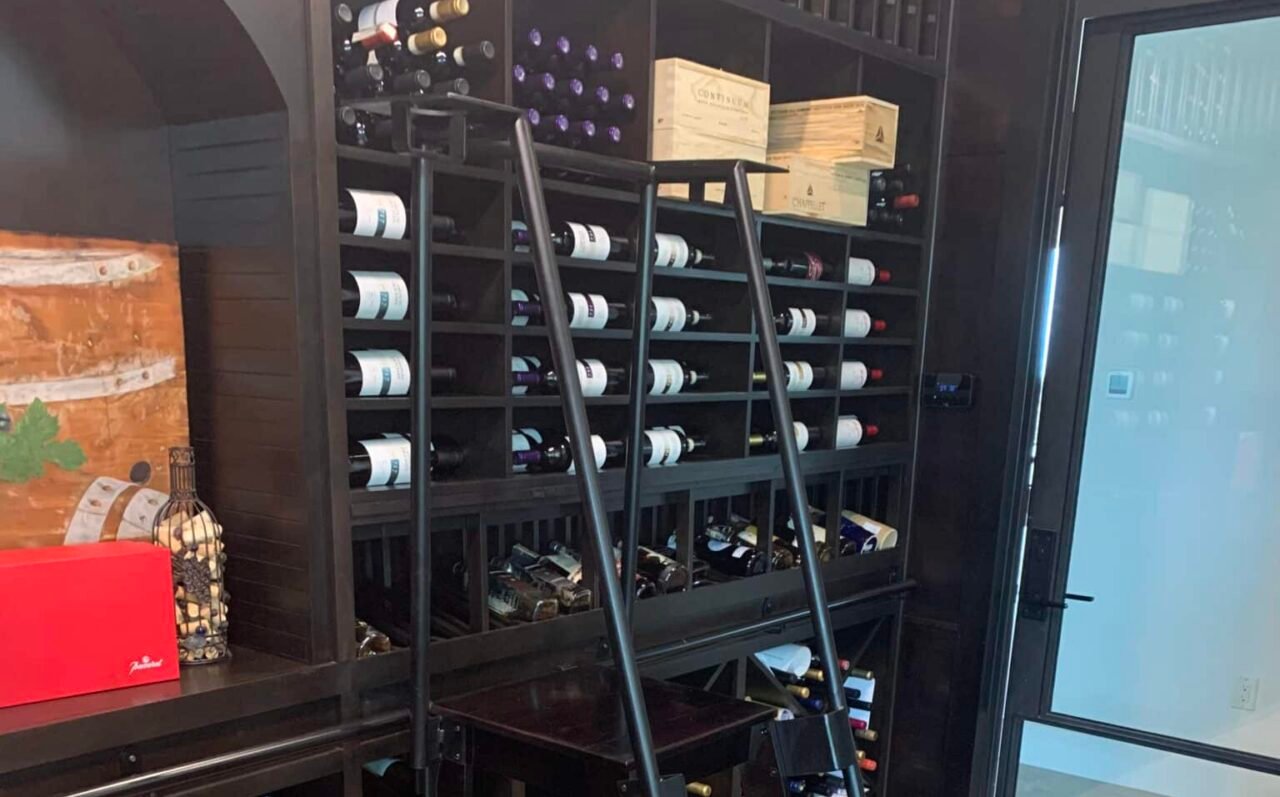
In places like Spring Branch, where homes often reflect both lifestyle and long-term investment thinking, upgrades tend to go beyond surface-level design. It’s not just about what looks good. It’s about what adds function, character, and a certain sense of permanence.
Over the past few years, wine cellars have quietly moved from being a niche luxury to something more considered. Not necessarily extravagant, but intentional. Homeowners aren’t just building them for display. There’s usually a practical reason behind the decision, even if it starts as a personal interest.
Here are four reasons this shift is happening.
1. Controlled Storage That Actually Preserves Value
Wine isn’t like most items stored at home. Temperature swings, humidity changes, even light exposure can affect how it ages. What starts as a good bottle can lose its character if it’s not stored properly.
That’s often the first turning point. People realize that standard kitchen racks or cabinets aren’t designed for long-term storage. They work for convenience, not preservation.
As homeowners look into better solutions, many start exploring options like wine cellars in Spring Branch to understand how controlled environments actually function. It’s less about aesthetics at that stage and more about stability, consistent temperature, proper humidity, and minimal vibration.
In those conversations, Certified Wine Cellars often comes up as part of the broader discussion around custom-built storage spaces that are designed to maintain those conditions without constant adjustment. Once that setup is in place, something shifts. Bottles aren’t just stored. They’re preserved in a way that supports aging, which, for many homeowners, is the entire point.
2. A Subtle Upgrade That Adds Real Property Appeal
Not every home upgrade translates into noticeable value. Some look impressive but don’t necessarily influence long-term perception. Wine cellars tend to work differently. They add a layer of intention to a home. Not in a loud way, but in a way that signals care, planning, and attention to detail.
For potential buyers, especially in markets where lifestyle features matter, a well-designed wine cellar feels like an extension of the home rather than an add-on. It suggests that the property has been curated, not just maintained.
The appeal isn’t limited to wine enthusiasts either. Even buyers who don’t collect wine often see the space as flexible. It could be used for storage, display, or even converted into something else down the line. That kind of versatility quietly adds to perceived value.
3. A Space That Blends Function With Personal Identity
There’s something different about spaces that are both practical and personal. Wine cellars tend to fall into that category. They’re functional by design. Temperature control, shelving, organization. But they also reflect personal taste. The layout, the materials, the lighting. It all comes together in a way that feels specific to the homeowner.
Some prefer minimalist designs with clean lines and subtle lighting. Others lean toward more traditional styles, with wood finishes and a slightly warmer feel. Neither approach is right or wrong. It’s about how the space fits into the overall home.
Over time, these spaces often become more than storage areas. They turn into quiet corners of the house where people spend time. Not necessarily entertaining, just… being present. That dual role makes them different from most home additions.
4. Long-Term Thinking, Not Just Immediate Use
Not every homeowner builds a wine cellar because they already have a large collection. In many cases, it starts smaller. A few bottles. Then a few more. Over time, the idea of proper storage becomes less about current needs and more about future possibilities.
Wine cellars support that kind of thinking. They create space for growth without requiring constant changes. Instead of adjusting storage solutions repeatedly, everything is already in place.
There’s also a financial aspect to this. Properly stored wine can maintain or even increase in value over time. Without the right conditions, that potential disappears. So the decision becomes less about convenience and more about preservation. Not just of the wine itself, but of the investment behind it.
Conclusion
Home upgrades tend to follow patterns. At one point, it was open kitchens. Then outdoor living spaces. Now, in many areas, more personalized, functional additions are starting to take priority.
Wine cellars fit into that shift. They’re not essential in the traditional sense, but they serve a purpose that’s both practical and personal.
They protect something that requires care. They add a layer of depth to a home. And they do it without demanding constant attention once they’re set up. For homeowners in places like Spring Branch, where long-term value and everyday living often intersect, that balance makes them worth considering.
Leave a Reply