
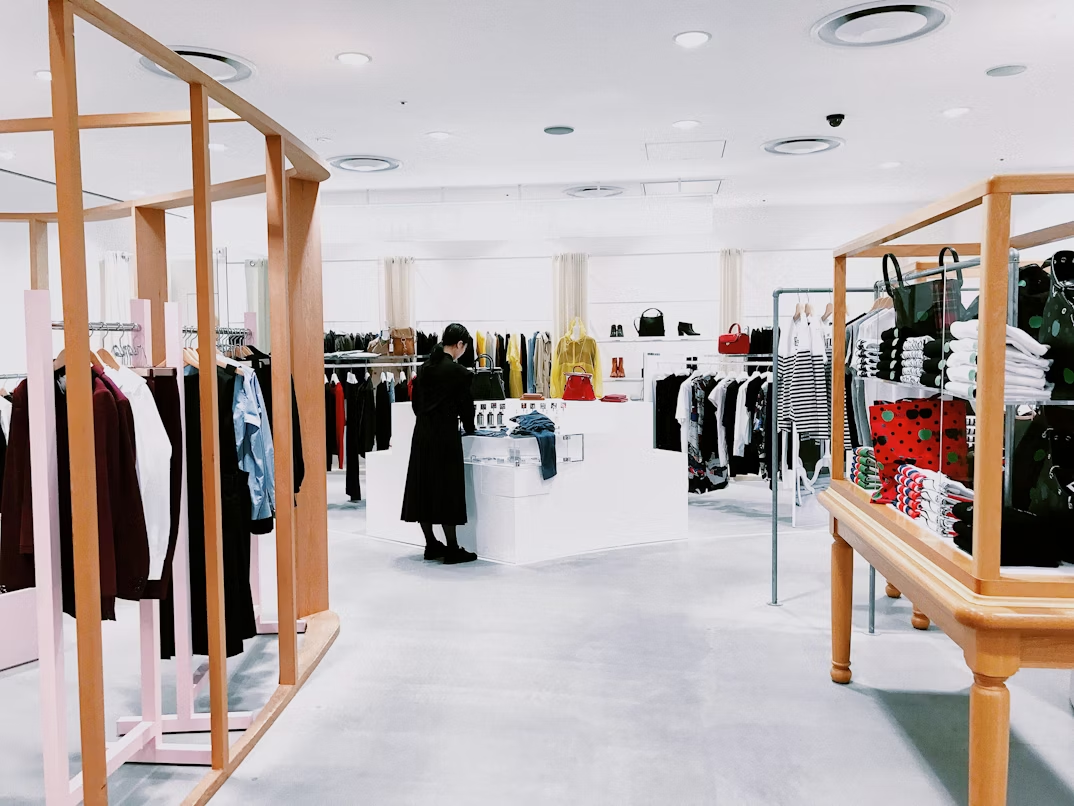
Running a small boutique has always meant making sharp decisions about what hangs on the rack and what stays out of the buy. The shops that hold attention are rarely the ones stacking only premium labels or filling their shelves with low-cost basics. They build a floor that moves between tiers, giving customers reasons to walk in for one piece and leave with three. That balance is what separates a boutique that turns inventory from one that watches it sit.
The customer walking through the door has changed, too. Most shoppers now expect a mix, not a uniform price point, and they reward the boutiques that read this correctly. A buyer who builds the floor with intention can grow margins on the affordable side while still drawing foot traffic with a few standout pieces.
Sourcing the Accessible Layer of the Floor
Every mixed-tier boutique needs a dependable supplier for the everyday pieces customers reach for first, and accessories tend to carry the heaviest share of that traffic. Catalogs built around tarnish-resistant materials hold a clear advantage here, because the pieces sitting on the display next to a finer item need to keep their finish through repeated handling and wear without giving themselves away. Wholesale Jewelry Website stocks exactly the kind of inventory boutiques pull from, offering rings, chains, charms, and pendants in surgical grade stainless steel, sterling silver, tungsten, and PVD gold across everyday staples and trend-driven styles.
A reliable accessory supplier does more than fill a display. It lets buyers test trends without locking up capital, refresh the floor between major drops, and offer entry price pieces that bring new customers into the store. The premium pieces stop having to carry the whole experience on their own.
Lead With an Anchor Category
Every well-balanced shop has an anchor category that defines its identity. It might be denim, outerwear, fine jewelry, or a curated leather goods wall. Whatever it is, the anchor signals to customers what the boutique stands for and gives the rest of the inventory a frame to sit inside. Without an anchor, a mixed-tier floor reads as random rather than curated.
The anchor also justifies the higher price points. Customers accept premium pricing on a category when they can see the boutique has built real depth around it. Once that trust is established, the affordable categories sitting alongside benefit from the same halo. The cheaper pieces no longer feel like filler. They feel like a thoughtful extension of a confident point of view.
Match the Quality of Touch Across Tiers
A customer picks up a piece before they look at the tag. If the affordable item feels flimsy next to the premium one, the entire floor loses credibility. Smart buyers focus on weight, finish, and construction when sourcing the lower tier of inventory. A budget knit with a clean hand, a stamped charm with a solid feel, a chain that drapes properly, these details quietly hold the floor together.
The materials matter as much as the look. Pieces that tarnish, peel, or fray within a few wears will damage the boutique’s reputation faster than any single bad sale. Sourcing affordable inventory in durable finishes protects the customer relationship and keeps return traffic steady.
Use Proportion in the Visual Merchandising
How inventory is displayed matters as much as what is on the floor. A premium piece given room to breathe reads as special, while the same piece crammed into a packed rack starts looking ordinary. Affordable pieces grouped tightly together create energy and movement, signaling abundance and play. The interplay between these two display approaches gives the floor a visual rhythm.
Mixing tiers within a single display also works when handled carefully. A premium handbag styled with an affordable scarf, or a fine necklace layered with a budget chain, shows customers exactly how the pieces work together. The display becomes a styling lesson, and the affordable item gets pulled up by association.
Build a Tight Color Story Across Price Points
Color discipline is what makes a mixed-tier floor read as one shop rather than a flea market. Buyers who lock in a seasonal palette and source across tiers within that palette create a coherent visual experience. The eye reads the floor as curated, regardless of where any single piece sits on the price ladder.
This does not mean playing it safe. A bold accent color can run through the whole inventory, appearing in a premium silk piece and a budget enamel ring in the same window. The shared color does the heavy lifting, and the price gap becomes invisible to the customer.
Treat Every Piece Like It Deserves the Floor
Presentation is where many small boutiques lose ground. Premium pieces get steamed, displayed on quality hangers, and given proper lighting. Affordable pieces sometimes get tossed onto a back rack or piled in a basket near the register. That contrast tells customers which pieces the boutique values, and they take the cue.
Every item should be treated as if it earns its place. Clean displays, consistent hanger spacing, polished jewelry trays, and steady lighting across the whole floor signal that the buyer stands behind every piece in the shop. The affordable pieces then carry the same authority as the premium ones, and customers respond by trusting the whole assortment.
Build a Buy That Reflects the Customer, Not the Trend
A balanced floor only works when it reflects the actual customer walking through the door. Chasing trends pulls a buy in too many directions, leaving inventory that looks impressive on paper but fails to move. The boutiques that hold steady year after year tend to know exactly who their customer is and what mix of tiers serves that person.
The best buyers operate with a clear filter. They know which premium categories their customer treats as investments, which affordable categories drive impulse buys, and which mid-range pieces bridge the two. That clarity turns a mixed-tier strategy into a working business model, and the floor stops feeling like a guessing game.
Leave a Reply