
Image Credit: Unsplash
We all want to find ways to save money on utility bills, and most of us know the basics. We turn off lights, unplug electronics, and adjust the thermostat. But what if the biggest drains on your budget aren’t the ones you can see? Often, hidden issues with your home’s water systems can lead to surprisingly high bills and costly repairs. Moving beyond the obvious electric-saving tips and focusing on your plumbing can unlock a new level of savings.
Typical Utility Savings Tips
When people talk about cutting utility costs, the conversation usually revolves around electricity and heating. You’re likely familiar with the standard advice: switch to LED bulbs, use smart power strips, and seal drafts around windows and doors. Adjusting your thermostat by just a few degrees, especially when you’re away from home or asleep, offers significant savings over time. These are all fantastic habits, and there are many ways to save energy that genuinely work. While these tips are effective for your electric and gas bills, they completely miss another major utility: water.
Hidden Costs of Water Issues
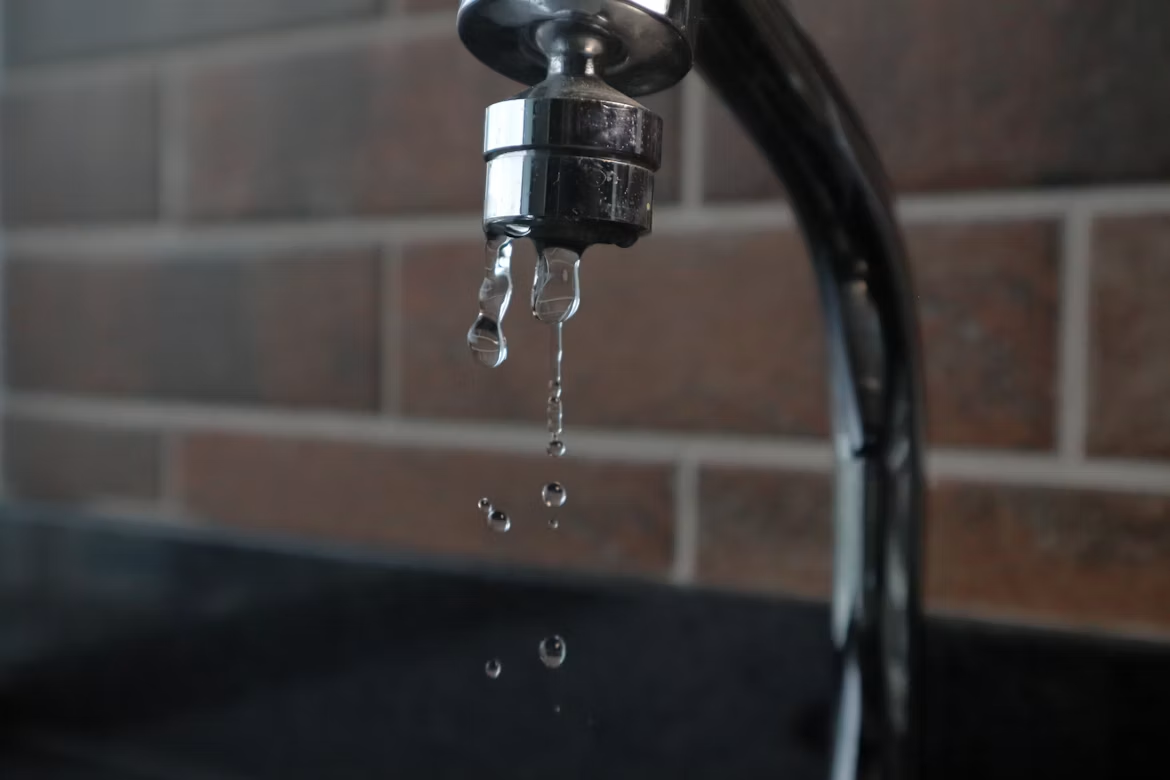
A slowly dripping faucet or a constantly running toilet might seem like minor annoyances, but they are silent money drains. A single faucet dripping once per second can waste over 3,000 gallons of water a year. A running toilet can waste hundreds of gallons per day. These small leaks add up to a noticeable spike in your water bill. Beyond the wasted water, these issues can lead to more severe problems like water damage, mold growth, and compromised structural integrity in your home, all of which come with expensive repair bills that dwarf the cost of the initial leak.
Optimizing Home Drainage
Proper water management outside your home is just as important as it is inside. Poor yard drainage can cause water to pool around your foundation, leading to cracks, basement leaks, and serious structural damage. If your gutters and downspouts are clogged or improperly angled, rainwater won’t be directed away from your home, creating the same risk. For homes in areas with high water tables or frequent heavy rain, sump pump installation helps move excess groundwater away from your foundation before it can enter your basement or crawlspace. Adding this extra layer of protection can reduce the risk of flooding, minimise water damage, and help you avoid costly repairs over time.
Preventative Plumbing Maintenance
The best way to save money on plumbing-related utility costs is to catch problems before they start. Regular, preventative maintenance is key. Once every few months, take a few minutes to perform a simple inspection. Look for signs of leaks under sinks, behind toilets, and around your water heater. Listen for the sound of a running toilet when it hasn’t been flushed. You can also check your water meter. Note the reading, avoid using any water for a couple of hours, and then check it again. If the reading has changed, you likely have a leak somewhere in your system.
Smart Investments for Lower Bills
While some solutions require an upfront cost, they can provide substantial long-term savings. Investing in modern, efficient fixtures is a great place to start. Low-flow toilets, showerheads, and faucets can reduce your home’s water consumption by 30% or more without a noticeable change in performance. A tankless water heater is another smart upgrade. It heats water on demand instead of keeping a large tank hot 24/7, which can significantly cut your energy costs. For even more control, consider a smart water monitor that can detect leaks in real time and alert you on your phone, helping you stop a disaster before it happens.
Looking beyond the light switches and thermostat helps you address the hidden water-related costs that may be inflating your monthly bills. A little attention to your home’s plumbing and drainage can protect your property and your wallet.
Leave a Reply