
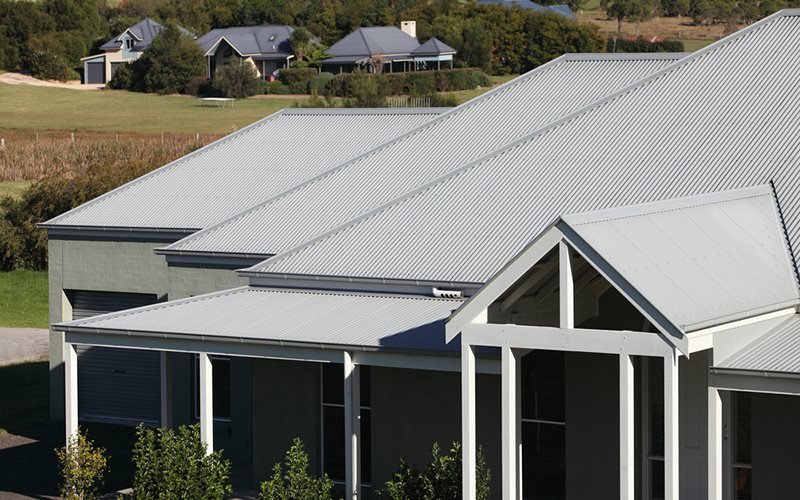
Home construction decisions often focus heavily on visible elements, kitchen finishes, flooring, paint colors, while the structural frame supporting the entire house receives comparatively little attention from homeowners planning a build. This is a genuine oversight, since the frame choice affects everything from long term durability to energy efficiency in ways that become apparent only years after the more visible finishes have already been chosen and installed.
Understanding why steel framing genuinely matters, and how it compares to more traditional framing options, helps homeowners make a more informed decision at exactly the stage of a build where this choice actually gets made. The key benefits of choosing the right steel frame can make a significant difference throughout the building process.
1. Steel Offers Genuine Structural Consistency
Unlike timber, which can warp, twist, or shrink as it dries and ages, steel framing maintains consistent dimensions and structural integrity over the life of a home. This consistency prevents many of the small but frustrating problems that timber framed homes sometimes develop over time, doors that no longer close properly, cracks appearing in plasterboard, or floors that develop a noticeable unevenness.
This structural reliability becomes particularly valuable in regions with significant temperature and humidity swings, where timber’s natural tendency to expand and contract can create ongoing maintenance headaches that steel framing largely avoids.
2. Pest Resistance Removes an Entire Category of Risk
Steel framing is inherently resistant to termites and other wood boring pests, eliminating an entire category of structural risk that timber framed homes must actively manage through chemical treatments and ongoing inspection. For homeowners in regions with significant termite pressure, this resistance alone can represent meaningful savings in both prevention costs and peace of mind over the life of the home.
This pest resistance also protects the home’s structural integrity in a way that ongoing chemical treatments for timber framing cannot fully guarantee, since termite damage can sometimes progress significantly before becoming visible to an untrained eye.
3. Fire Resistance Provides a Genuine Safety Advantage
Steel does not burn the way timber does, which provides a genuine structural safety advantage in the event of a house fire. While no home is entirely fireproof, a steel frame maintains its structural integrity considerably longer under fire conditions than a timber frame, which can provide critical additional time for occupants to safely evacuate. According to the experts at Steel Frames WA, this fire performance difference has become an increasingly important consideration for homeowners building in regions where bushfire risk is a genuine, ongoing concern rather than a rare, unlikely event.
This safety advantage matters considerably for families building in higher risk areas, where the choice of framing material genuinely affects both insurance considerations and the practical safety margin available during an emergency.
4. Steel Framing Supports Genuinely Better Energy Efficiency
When properly designed and insulated, steel framed homes can achieve excellent energy efficiency, since steel’s consistent dimensions allow for more precise, gap free insulation installation compared to timber framing, which can shift slightly over time and create small insulation gaps. This precision translates into genuinely better thermal performance over the life of the home.
Homeowners focused on long term energy costs, rather than purely upfront construction expenses, often find that this efficiency advantage delivers meaningful savings across years of heating and cooling costs that timber framed alternatives cannot always match as consistently.
5. Steel Frames Typically Offer Longer Structural Lifespans
A properly installed steel frame can outlast timber framing considerably, since it does not face the same risks from rot, pest damage, or gradual warping that affect timber over decades of use. This longevity matters enormously for homeowners thinking about their home as a genuine long term investment rather than simply the next several years of ownership.
This extended lifespan also supports better resale value over time, since a home built on a structurally sound, long lasting frame tends to require fewer major structural repairs than one facing the cumulative wear that timber framing experiences over multiple decades.
6. The Data Supports Steel’s Growing Popularity in Construction
According to the Australian Steel Institute, the use of steel framing in Australian residential construction has grown steadily in recent years, driven by increasing homeowner awareness of its durability, pest resistance, and fire performance advantages compared to traditional timber framing options.
This growth reflects a genuine shift in how homeowners and builders think about framing decisions, treating the choice as a meaningful, long term structural investment rather than a purely cost driven decision made without considering the material’s full range of practical advantages.
Final Thoughts
The frame supporting a home rarely gets the attention it deserves during the planning and design process, yet it genuinely affects a home’s durability, safety, energy efficiency, and long term value in ways that become apparent well after construction is complete. Steel framing offers meaningful advantages across nearly all of these categories compared to more traditional timber options.
For homeowners planning a new build or major renovation, taking the time to genuinely understand framing options, rather than defaulting to whatever has traditionally been used in the region, is a worthwhile investment of research time. The frame choice made at this early stage shapes the home’s performance and durability for decades to come.
Leave a Reply