
Pushing for personal bests in fitness, work, and life has become a modern badge of honor. We celebrate the hustle and the grind, but often forget the most critical part of progress: recovery. True growth doesn’t happen during the workout or the long hours at your desk; it happens when you give your body time and resources to repair, rebuild, and adapt. Without a smart recovery strategy, you’re risking burnout and injury.

Image Credit: Unsplash
Understanding Body Recovery Needs
Recovery is much more than just taking a day off. It’s an active process where your body repairs the microscopic damage done to muscles during exercise, replenishes its energy stores, and brings your nervous system back into balance. Think of it like the construction phase after a demolition. When you challenge yourself physically, you create tiny tears in your muscle fibers. Recovery is how those tears get patched up, making the muscle stronger and more resilient than before.
This process involves several key systems. Your muscles need to repair tissue, your liver needs to restock glycogen (your body’s primary fuel source), and your hormonal system needs to regulate itself. This is why rest, recovery and sleep matter for both physical performance and overall well-being.
There are two main types of recovery:
- Passive Recovery: This is what most people think of: complete rest. It includes things like sleeping, sitting on the couch, or simply taking a day off from strenuous activity. It’s essential for allowing the body’s natural healing processes to happen without interruption.
- Active Recovery: This involves low-intensity activity that promotes blood flow to your muscles without causing further strain. Think of a gentle walk, a slow bike ride, stretching, or yoga. This increased circulation can help deliver nutrients to tired muscles and flush out metabolic waste products, potentially speeding up the repair process.
A balanced approach uses both. You need passive recovery for deep restoration, but adding active recovery can help you feel better faster and keep your routine consistent.
Advanced Recovery Support Options
Once you have the basics down, you might explore more advanced techniques to boost your body’s repair cycles. These methods are popular among athletes and dedicated fitness enthusiasts who need to bounce back quickly between training sessions. Tools like foam rollers and massage guns are excellent for self-myofascial release, helping to ease muscle tightness and improve mobility. Contrast water therapy, which involves alternating between hot and cold water immersion, is another method used to reduce inflammation and stimulate circulation.
For those deeply invested in optimizing their physical potential, the world of peptide research offers another frontier. Peptides are short chains of amino acids, which are the building blocks of proteins. In research settings, specific peptides are studied for their potential roles in signaling various bodily processes, including tissue repair, inflammation reduction, and growth hormone release. This has made them a subject of interest for enhancing recovery protocols. While they are intended for research purposes, companies like Dynamic Peptides provide these compounds to professionals and athletes in Canada who are exploring the cutting edge of performance science.
It’s important to see these advanced options as additions to, not replacements for, the foundational pillars of recovery. Even the most sophisticated tool can’t make up for a lack of sleep or poor nutrition. However, when integrated into a solid routine, they can play a significant role in recovery and sleep in helping you reach your goals.
Sleep as Your Superpower
If there’s one non-negotiable element of recovery, it’s sleep. You can have the perfect diet and the most advanced recovery tools, but without enough sleep, your body simply can’t perform the necessary repairs. As neuroscientist Matt Walker famously stated in his TED Talk, “Sleep is your superpower.” During deep sleep, your body releases most of its human growth hormone (HGH), a key substance for repairing tissues, building muscle, and strengthening bones.
Sleep isn’t just a passive state of rest; your brain is incredibly active. It cycles through different stages, each with a unique purpose. During deep, non-REM sleep, your body focuses on physical restoration. Your heart rate slows, your breathing becomes regular, and blood flow to your muscles increases. This is prime time for physical healing. During REM sleep, your brain works on consolidating memories and processing information, which is vital for learning new skills and maintaining cognitive function.
To truly make sleep your superpower, aim for 7-9 hours of quality sleep per night. You can improve your sleep quality by:
- Creating a consistent schedule: Go to bed and wake up around the same time every day, even on weekends.
- Optimizing your environment: Keep your bedroom dark, cool, and quiet.
- Limiting screen time before bed: The blue light from phones and computers can interfere with your body’s production of melatonin, the hormone that signals it’s time to sleep.
- Avoiding caffeine and large meals late in the evening: These can disrupt your natural sleep cycle.
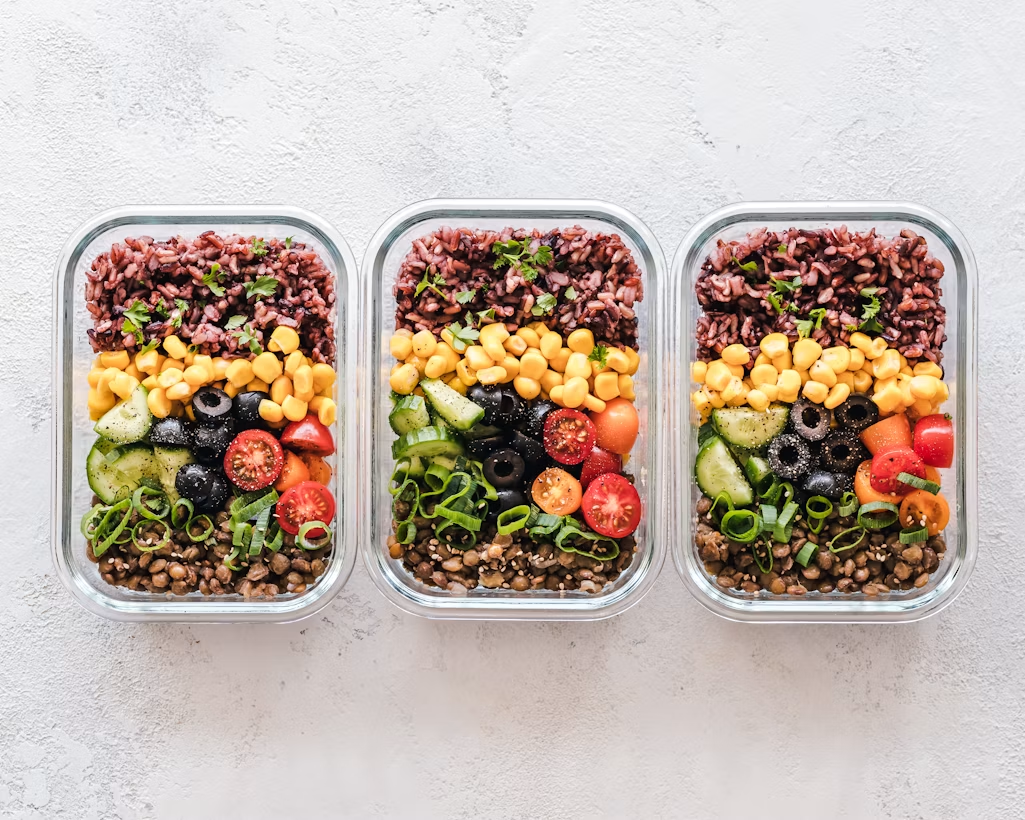
Image Credit: Unsplash
Nutrition for Repair and Rebuilding
What you eat is the raw material your body uses for recovery. After a tough workout, your priority should be to replenish the energy you’ve used and provide the building blocks for muscle repair. This comes down to focusing on key macronutrients: protein and carbohydrates.
Protein is essential for repairing the micro-tears in your muscle fibers. Eating enough protein after exercise provides the amino acids necessary to rebuild and strengthen those muscles. Good sources include lean meats, fish, eggs, dairy, legumes, and tofu. Try to include a source of protein with each meal, especially in the hours following a workout.
Carbohydrates are your body’s main fuel source, stored as glycogen in your muscles and liver. Intense exercise depletes these stores, and replenishing them is crucial for your next workout. Without enough carbs, you’ll feel sluggish and your performance will suffer. Focus on complex carbohydrates like whole grains, sweet potatoes, and vegetables for sustained energy, but a simple carb source like fruit can be beneficial immediately post-workout to quickly start the replenishment process.
Don’t forget about hydration. Water is involved in nearly every metabolic function, including nutrient transport and waste removal. Dehydration can severely hinder your recovery and overall performance. Make sure you’re drinking water consistently throughout the day, not just when you feel thirsty.
Listen to Your Body’s Signals
Perhaps the most underrated recovery strategy is learning to listen to your own body. Our culture often pushes a “no days off” mentality, but sometimes the smartest thing you can do for your progress is to take a break. Your body provides constant feedback if you pay attention.
Signs of under-recovery or overtraining can include:
- Persistent muscle soreness that doesn’t go away.
- An elevated resting heart rate.
- Feelings of chronic fatigue or lethargy.
- Difficulty sleeping or restless nights.
- A decline in performance or motivation.
- Increased irritability or mood swings.
When you notice these signs, it’s a clear signal to ease up. This doesn’t mean you have to stop moving entirely. It might mean swapping a high-intensity session for an active recovery day, taking an extra day of complete rest, or scheduling a “deload” week where you reduce the volume and intensity of your training. Honoring these signals isn’t a sign of weakness; it’s a sign of intelligent training that will keep you healthy and progressing for the long haul.
Ultimately, building a better recovery routine is about treating your body with the same respect and attention you give your workouts. By prioritizing sleep, fueling yourself properly, and learning when to push and when to rest, you’ll unlock a new level of performance and well-being.
Leave a Reply