
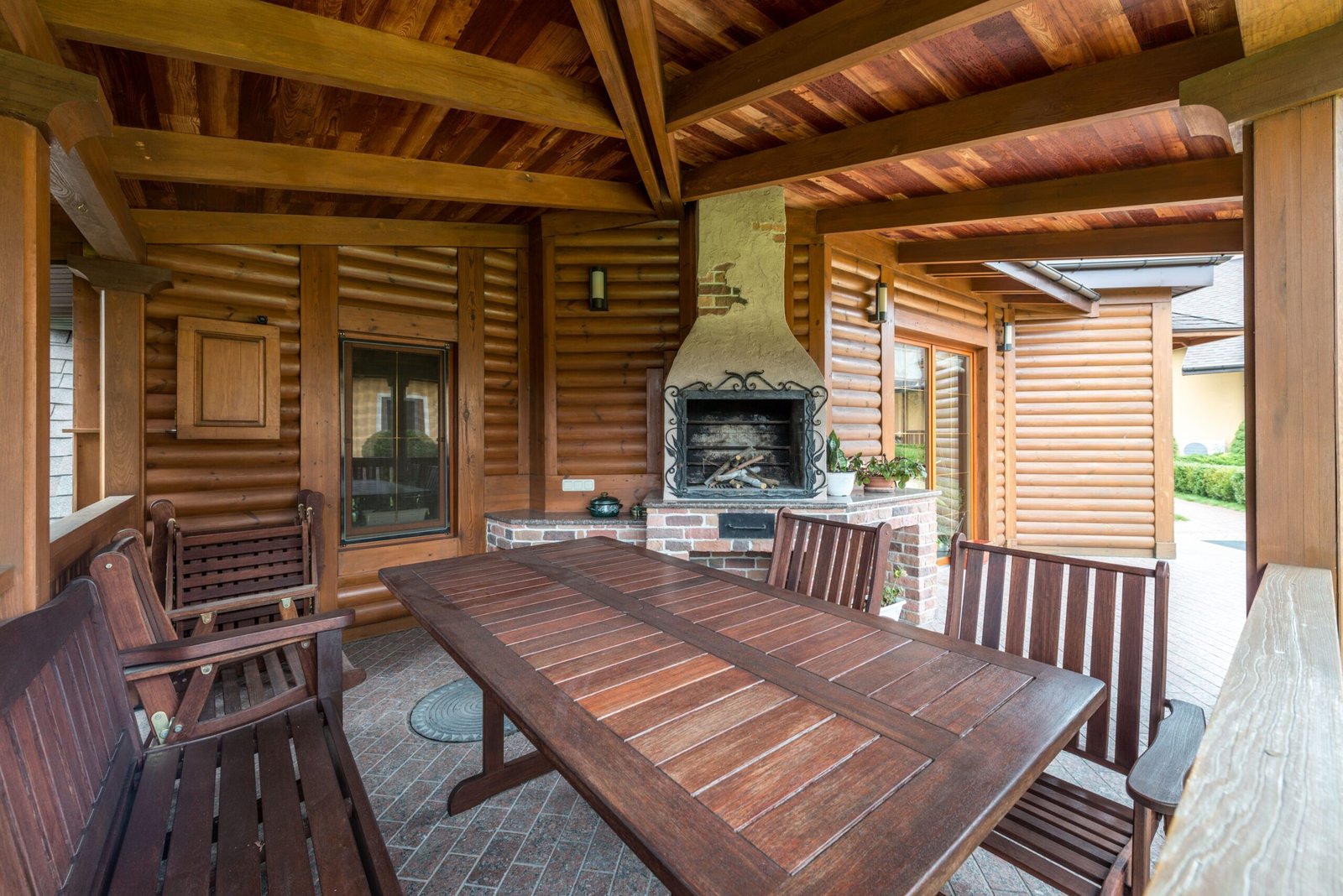
You probably already know the dream: dinner outside, friends hanging around late, and a backyard that feels less like unused square footage and more like part of your home. A smart outdoor setup isn’t only about looks. It changes how you relax, host, cook, and even how often you step outside. The trick is building a space around real habits, not fantasy scenes that look great in photos and sit empty the rest of the year.
Build Around the Features That Add Real Value
Some upgrades look exciting for five minutes. Others keep paying off every season. If you want an outdoor space that gets used often, focus on features tied to comfort, convenience, and social flow.
A strong example is combining fireplaces and outdoor kitchens into one cohesive design. That pairing works because it supports two natural behaviors at once: cooking and gathering. People drift toward warmth, food, and seating, especially in the evening.
An outdoor kitchen can include more than a grill. Depending on your budget and habits, you might add:
– Prep counters
– A sink
– Storage cabinets
– Refrigeration
– Bar seating
A fireplace adds another layer by extending how late and how often you use the area. It also creates a focal point that feels grounded, not random. Together, these features can turn a patio into a real outdoor living room instead of a lonely grill parked beside the house.
Start With How You Actually Live
Before you pick finishes, appliances, or furniture, think about your routines. Do you like casual weeknight meals outside, or do you picture bigger gatherings on weekends? Do you want a quiet retreat, a cooking zone, or a place where people naturally gather without crowding your kitchen indoors?
That question matters because outdoor spaces fail when they’re designed for rare events instead of normal life. A giant dining table sounds impressive until you realize you mostly eat with two or three people. The same goes for oversized fire features that dominate the yard but don’t support conversation.
Write down a few practical goals:
– Cook outside twice a week
– Seat six people comfortably
– Keep lighting useful after sunset
– Create shade for hot afternoons
– Make cleanup simple
That list gives your project a backbone. Without one, it’s easy to spend money on backyard eye candy that turns into decorative furniture storage.
Divide the Space Into Clear Zones
The best outdoor areas feel easy to move through. You shouldn’t have to dodge chairs to reach the grill or carry plates across half the yard. Clear zones make the space more comfortable and safer too.
Think in sections, even if your yard isn’t huge:
– A cooking zone
– A dining zone
– A lounging zone
– A transition path between them
This setup helps the space feel intentional instead of crowded. If someone is grilling, another person should still be able to sit nearby and talk without standing in the chef’s elbow range. No one enjoys becoming part of the prep station by accident.
Hardscaping can help define zones without walls. Pavers, decking changes, built-in seating, planters, and lighting can signal where one use ends and another begins. Even a small patio can work well when each section has a job.
Choose Materials That Can Handle Real Life
Outdoor design gets more complicated once weather enters the chat. Sun, rain, heat, dirt, and temperature changes can punish materials fast. A setup that looks polished on installation day can start looking rough surprisingly quickly if you choose style over durability.
Prioritize surfaces and finishes made for exterior use. Natural stone, sealed concrete, stainless steel, powder-coated metals, and weather-rated cabinetry usually hold up better than indoor-style substitutes. Cushions and fabrics should be moisture-resistant and fade-resistant, not merely attractive for a showroom photo.
Pay attention to maintenance too. Some materials age beautifully with minimal work. Others demand regular sealing, covering, scrubbing, or special cleaners. If you know you’re not going to baby your patio every month, build accordingly.
It’s also smart to think about heat retention. Dark surfaces can get brutally hot in direct sun. Slip resistance matters near pools, grills, and dining areas where spills happen. Good design isn’t precious. It survives actual use.
Keep the Style Connected to the House
Your outdoor area should feel like an extension of your home, not a completely different design experiment that wandered into the yard. A little contrast is fine. Total mismatch usually feels disjointed.
Look at the colors, textures, and lines already present in your home’s exterior. If your house has clean modern architecture, ultra-rustic stonework may feel off unless it’s blended carefully. If the house is traditional, sleek minimalist furniture can still work, but it should connect through color or material choices.
Consistency helps the whole property feel more polished. Repeat tones from the home in your cushions, pavers, cabinetry, or trim details. Match the scale of outdoor elements to the home as well. Massive features can overwhelm a smaller house, while tiny furniture can disappear against a large patio.
Think visually, but think emotionally too. The best outdoor spaces feel like they belong to you, not like they were copied from a catalog built for someone else’s climate, habits, and budget.
Plan for Hosting Without Overbuilding
It’s easy to design for the occasional party and forget everyday practicality. You want enough seating and flow for guests, but not so much infrastructure that the space feels oversized the other 90 percent of the time.
Flexible furniture helps. Benches, movable chairs, and stools can expand when company arrives and stay out of the way when it’s just you or your family. Built-in seating can save space, but it works best when paired with cushions and nearby tables so it doesn’t feel stiff or purely decorative.
A few hosting tips make a big difference:
– Keep serving surfaces close to cooking areas
– Leave open walking space around tables
– Add side tables near every seating cluster
– Place trash and recycling where guests can find them
– Make sure there’s lighting near steps and edges
Good hosting design feels invisible. People know where to sit, where to set a drink, and where conversation naturally happens. That kind of ease rarely appears by accident.
Think Long-Term Before You Spend
Outdoor living projects can get expensive quickly, so it helps to think in phases. You don’t need every upgrade at once. Start with foundational elements such as layout, utilities, hardscaping, and major built-ins. Decorative extras can come later.
If you’re investing in permanent features, ask practical questions first. Will this improve daily use? Will it reduce trips inside? Will it still make sense in three to five years? Will maintenance stay realistic?
That mindset keeps your budget focused on value, not impulse. It also gives you room to make smarter decisions about quality. One well-built cooking and gathering space usually outperforms a yard full of trendy pieces that age badly.
When your outdoor area reflects how you actually live, it stops being a project and starts being part of your routine. That’s the real upgrade: a space you return to often, not one you admire once and forget.
Leave a Reply