
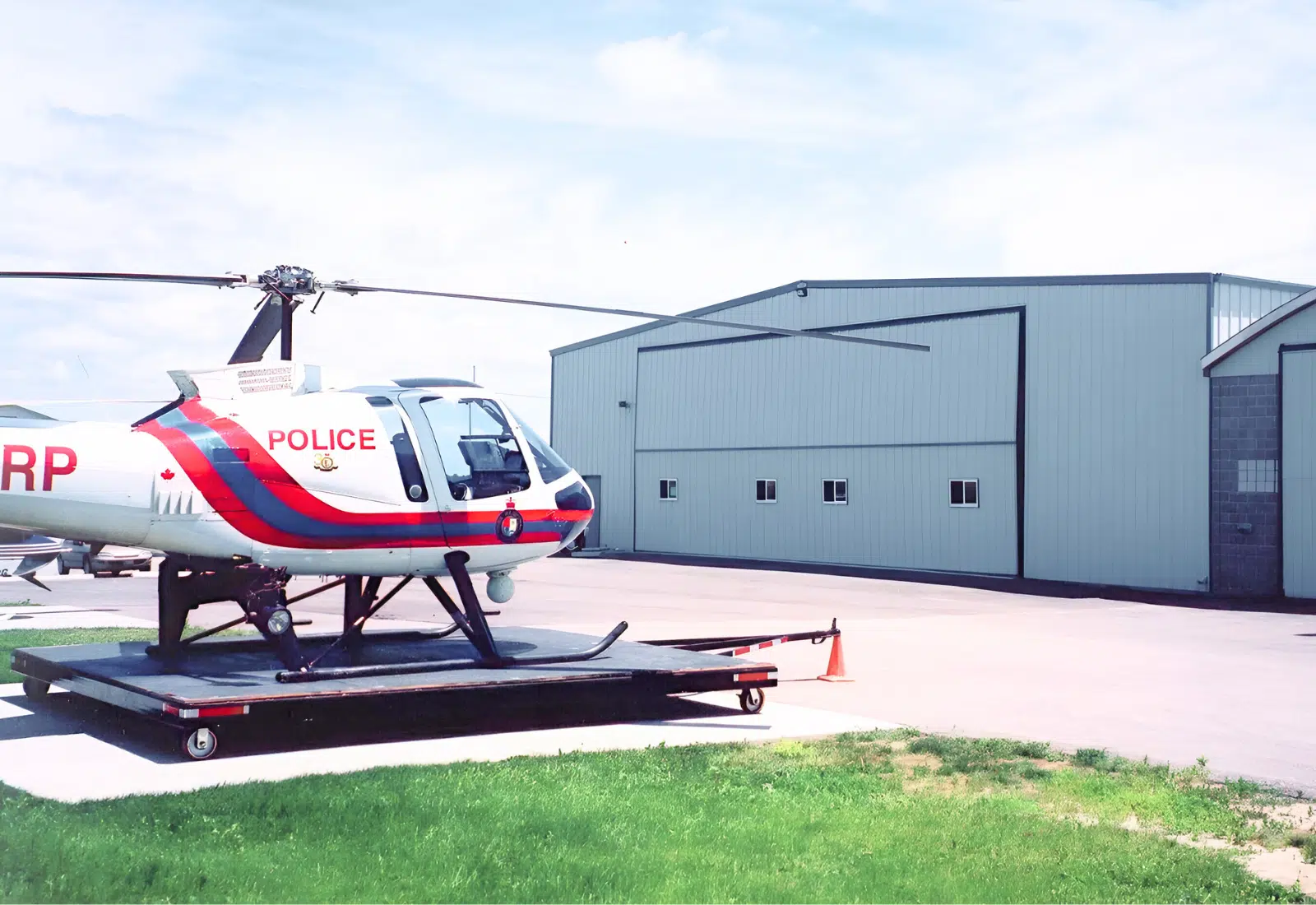
Protection for an aircraft is a top priority for any pilot or fleet owner. A high-quality shelter does more than just shield a plane from the sun and rain; it provides a secure environment for maintenance and long-term storage. Metal structures offer the best defense against harsh elements due to their immense strength and fire-resistant properties. When a project starts with the right materials, the result is a functional space that preserves the value of the aviation asset.
Many aviators choose steel airplane hangars because these facilities offer vast open spaces without the need for interior support columns. This clear-span design is essential to move aircraft in and out without the risk of wing damage. Modern engineering allows for a high level of customization to suit specific tail heights and wing widths. This article details the essential design features that transform a basic shell into a professional-grade aviation facility.
Specialized Door Systems for Easy Access
The door is the most critical component of any hangar design. It must operate smoothly every time and provide a tight seal against wind and debris. Bi-fold doors are a popular choice because they lift upward and create a small porch-like canopy when open. This design is excellent for areas with heavy snowfall since the door does not need to push through drifts on the ground.
Hydraulic one-piece doors offer another robust alternative. These doors use powerful rams to lift the entire front wall, which provides maximum clearance and a clean look. Some owners prefer sliding stack doors for their simplicity and ease of manual operation during a power outage. Each option ensures that the aircraft has a wide, unobstructed path to the runway.
Climate Control and High-Grade Insulation
Temperature fluctuations can cause condensation, which leads to corrosion on sensitive avionics and airframe components. A well-insulated structure maintains a steady internal climate and reduces noise during heavy rain or hail. Heavy-duty insulation blankets fit snugly between the steel frames to create a thermal barrier.
- Vapor barriers prevent moisture buildup on the roof panels.
- Reflective foil backings improve light levels inside the workspace.
- Thick glass wool batts offer superior heat retention in winter.
- Thermal blocks minimize heat transfer through the metal purlins.
Natural Light and Interior Visibility
A dark workspace makes maintenance tasks difficult and increases reliance on artificial lighting. Large polycarbonate wall panels allow soft, natural light to flood the interior without the heat gain of traditional glass. These translucent panels are impact-resistant and fit perfectly with the metal siding.
Placement of these light panels near the eaves or high on the gable ends maximizes the sun’s reach. This design choice creates a pleasant atmosphere for pilots who spend hours on pre-flight checks. High-intensity LED fixtures can then provide focused light for night work or detailed mechanical repairs.
Floor Coatings and Drainage Solutions
The floor of a hangar must withstand heavy loads and occasional chemical spills. A high-gloss epoxy coating makes the concrete easy to clean and reflects light upward toward the belly of the plane. This surface resists oil, hydraulic fluid, and fuel stains that often occur during routine service.
Properly placed trench drains ensure that any water from a wash-down or a wet aircraft exits the building quickly. A slight slope in the concrete slab prevents puddles from forming under the tires or near the walls. These small details in steel airplane hangars contribute to a professional environment that prioritizes safety and cleanliness.
The selection of a durable aviation shelter is a significant investment in the future of flight. A structure that incorporates advanced door systems, quality insulation, and smart lighting provides the ultimate protection for any aircraft. These metal facilities offer the resilience needed to stand firm against time and weather. By focusing on these essential design options, a pilot ensures their plane remains airworthy and ready for the next adventure.
Leave a Reply