
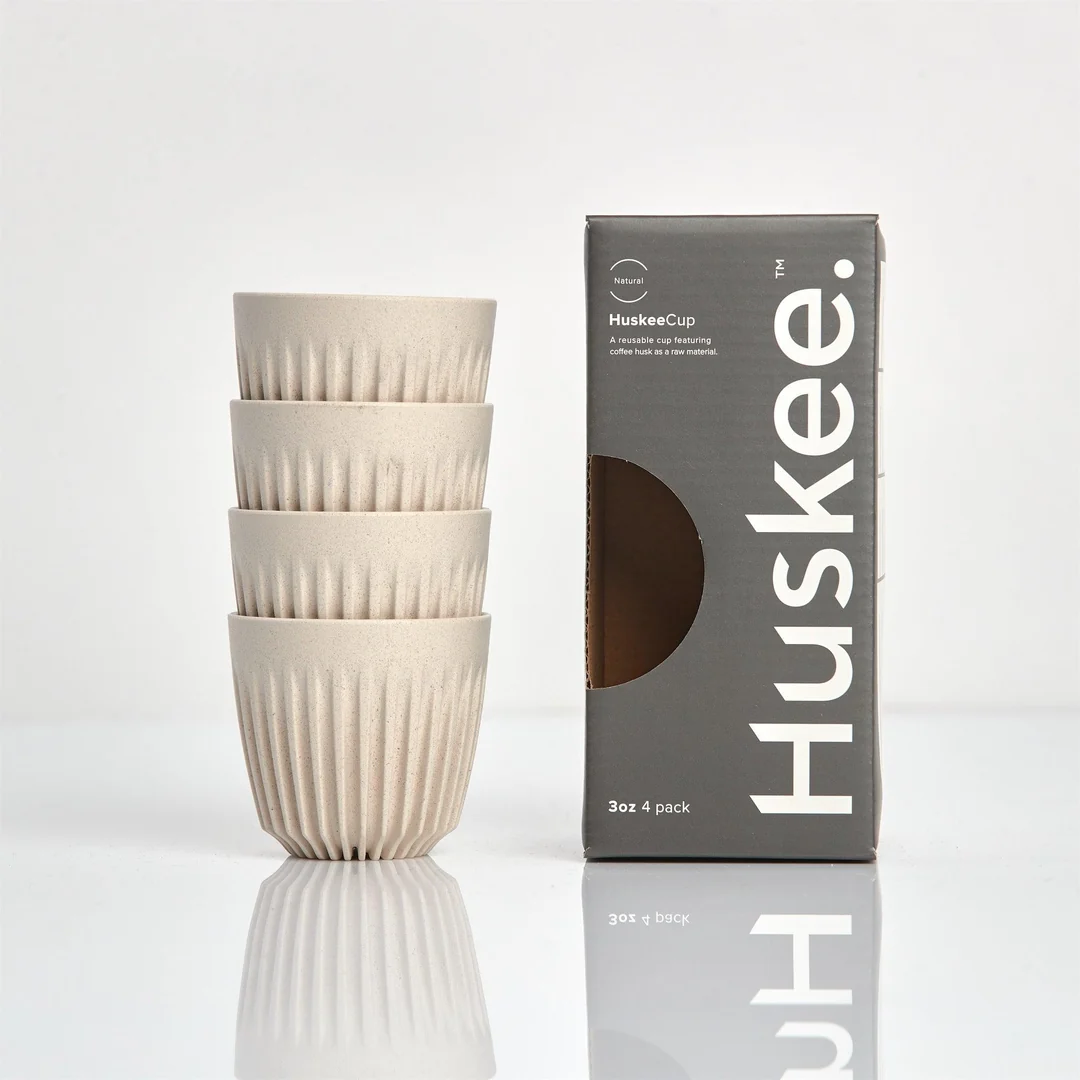
Branded reusable cups can turn an ordinary drink service into a small but memorable part of an event, especially when every visual detail has been carefully planned.
For event production teams in Santa Barbara, where celebrations often unfold across vineyards, coastal venues, private estates, gardens, and elegant outdoor spaces, drinkware can contribute to both the look and practicality of the experience.
Instead of serving hundreds of beverages in disposable containers, planners can incorporate branded reusable cups that complement the event identity while giving guests something functional they can continue using afterward.
Why Drinkware Deserves a Place in Event Planning
Cups are rarely the first detail discussed when planning a wedding, corporate gathering, product launch, or private celebration.
Yet guests interact with drinkware throughout an event, from the first coffee served during arrival to cocktails, sparkling water, and late-night refreshments.
That repeated interaction makes cups surprisingly visible.
Picture a relaxed outdoor corporate retreat where guests move between presentations, lounge areas, and food stations carrying the same thoughtfully designed cup throughout the afternoon.
A subtle logo or event graphic becomes part of the environment without feeling like a traditional advertisement.
For event production Santa Barbara teams, it is a practical object doing a branding job in the background.
Branded Reusable Cups Can Strengthen an Event Theme
Good event branding works best when individual elements feel connected rather than randomly decorated.
Signage, menus, table settings, flowers, lighting, staff uniforms, and drinkware can all reinforce the same visual language.
For a coastal celebration, that could mean understated typography and neutral-toned reusable drinkware that fits naturally beside linen-covered tables and simple floral arrangements.
A company event might take a different approach, using the organization’s logo alongside the event date or a short campaign message.
The key is restraint.
Covering every available surface with an oversized logo can quickly make an elegant event feel like a trade show.
A smaller, well-positioned design usually feels more intentional and gives guests a cup they may actually want to keep.
Make the Cup Useful Beyond the Event
Promotional products often fail because they are created for the moment rather than for the person receiving them.
A guest may appreciate a novelty item during an event but leave it behind if there is no obvious reason to use it again.
Reusable drinkware has an advantage because it already serves a familiar everyday purpose.
Someone attending a weekend celebration could use the cup for coffee the following morning, take it home, and eventually keep it at their desk or in their kitchen.
That continued usefulness gives the event a longer life than disposable décor that disappears as soon as the venue is cleared.
Choose Branding People Will Want to Keep
Design decisions matter if long-term use is part of the plan.
A large event slogan that makes sense for one evening may feel awkward six months later.
A discreet monogram, attractive illustration, small logo, location reference, or simple date can make the cup feel more like a keepsake than promotional merchandise.
For example, a Santa Barbara wedding could use a small illustration inspired by the coastline or surrounding landscape rather than printing the couple’s names across the entire cup.
Corporate organizers can follow the same principle by choosing subtle branding that employees or clients would feel comfortable carrying outside the event.
Create a More Cohesive Beverage Station
Beverage stations naturally attract attention because guests return to them throughout a celebration.
That makes presentation especially important.
Rows of mismatched disposable cups can interrupt an otherwise polished setup, while coordinated reusable drinkware can make the station feel deliberately designed.
Imagine an afternoon reception with iced coffee, lemonade, sparkling water, and a small selection of cocktails served from one central bar.
Using consistent cups alongside coordinated signage and dispensers gives the area a cleaner visual identity.
The improvement is simple, but event design often depends on exactly these small details.
Use Cups as Part of the Guest Experience
Reusable cups do not need to sit anonymously beside a beverage dispenser.
Event teams can incorporate them into the experience from the moment guests arrive.
At a conference, attendees could receive a cup with their welcome materials and use it at hydration and coffee stations throughout the day.
At a multi-day wedding, guests might receive one in a welcome bag alongside the weekend itinerary, snacks, sunscreen, or locally inspired gifts.
For a private birthday celebration, personalized cups could be arranged near the entrance and double as informal place markers.
When an item has an obvious role, guests are more likely to engage with it instead of treating it as another giveaway.
Reusable Drinkware Can Reduce Disposable Cup Use
Large celebrations can generate a surprising amount of single-use waste.
Coffee service, cocktail hours, water stations, and late-night drinks can each require a fresh round of disposable cups if the event is planned around single-use serviceware.
A reusable system can reduce that volume when the event logistics support proper collection, washing, redistribution, or guest retention.
The operational plan matters as much as the cup itself.
Simply introducing reusable drinkware does not automatically make an event waste-free or environmentally sustainable.
Teams still need to consider transportation, washing, materials, expected reuse, and what happens to the cups once the celebration ends.
Plan the Logistics Before Guests Arrive
The easiest time to solve drinkware problems is before the event starts.
Organizers should estimate attendance, beverage demand, service locations, backup quantities, and whether cups will be washed onsite or taken home by guests.
A 60-person dinner has very different requirements from a 500-person festival-style gathering with several bars operating simultaneously.
Staff also need clear instructions.
If reusable cups are intended as guest keepsakes, servers should know not to discard them during table clearing.
If they are being collected for washing, clearly marked return points can prevent them from ending up in ordinary trash bins.
Turn Drinkware Into a Photo-Friendly Detail
Guests naturally photograph drinks during visually appealing events.
A cocktail against a sunset, coffee beside a welcome sign, or a group toast at an outdoor reception can all end up in personal photos and social media posts.
Thoughtfully designed drinkware becomes part of those images without requiring a staged branded backdrop.
This is particularly useful for corporate launches and hospitality events where organizers want the brand to appear organically in guest-generated content.
The cup should still complement the photograph rather than dominate it.
Subtle visual consistency tends to look more sophisticated than aggressive branding.
Match the Cup to the Type of Celebration
Not every event needs the same design, quantity, or style of drinkware.
A formal wedding may call for understated customization, while a casual company picnic can support brighter graphics and more playful messaging.
Product launches can incorporate campaign artwork, and wellness events might prioritize clean, minimal designs that fit the broader atmosphere.
The beverage itself should also influence the choice.
Coffee-focused gatherings need drinkware suited to hot beverages, while outdoor summer events may place greater emphasis on cold drinks and easy portability.
Thinking about how guests will actually hold, carry, refill, and transport the cup helps prevent design decisions based entirely on appearance.
Consider Reusable Cups Early in the Production Process
Custom event elements are easier to execute when they are included early rather than added during the final week of planning.
Production teams need enough time to determine quantities, finalize artwork, approve proofs, coordinate delivery, and decide how the cups will be distributed.
Early planning also allows drinkware to be considered alongside menus, signage, table styling, welcome gifts, and beverage service.
This prevents a common event-design problem where individually attractive elements arrive but do not look as though they belong to the same celebration.
Small Details Can Create Stronger Memories
Guests may not consciously analyze every production decision, but they notice when an event feels cohesive.
The lighting matches the mood, the signage is easy to follow, the bar looks polished, and useful details appear exactly where people need them.
Reusable drinkware can contribute to that experience while serving a genuine function throughout the celebration.
For Santa Barbara event teams working with outdoor venues, destination guests, corporate groups, or private celebrations, the opportunity is not simply to place another logo in front of attendees.
It is to take an everyday object and make it feel like an intentional part of the event.
When the design is attractive, the logistics are thoughtful, and the cup remains useful after everyone goes home, a relatively small production detail can become one of the few physical pieces of the celebration that guests continue using long after the final table has been cleared.
Leave a Reply