
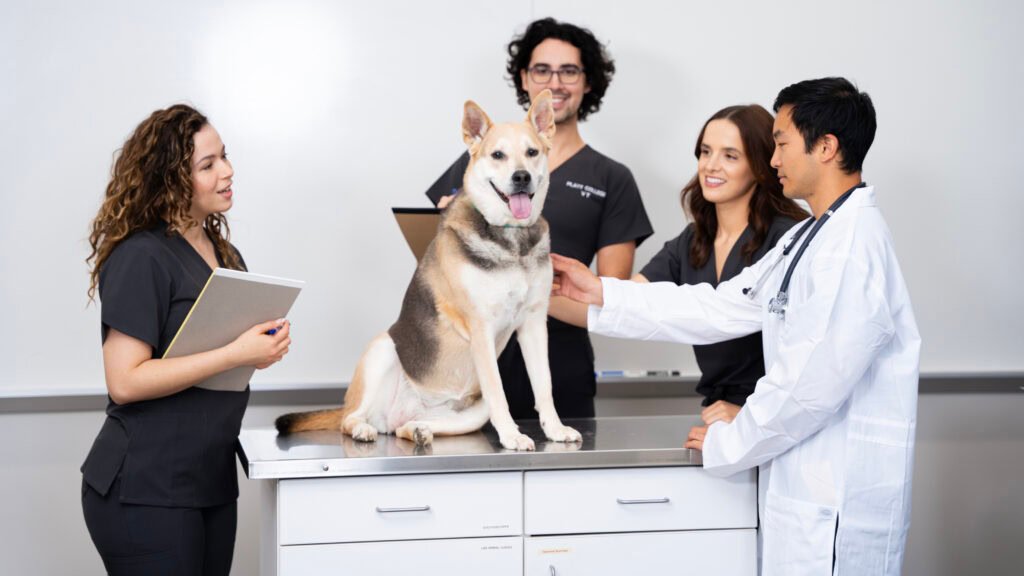
A vet tech degree Anaheim students pursue can provide the clinical knowledge, technical training, and hands-on skills needed to support veterinarians and care for animals in busy healthcare settings.
Veterinary technicians often work behind the scenes during some of the most important moments in an animal’s care, from preparing a nervous dog for an examination to assisting with diagnostic tests for a sick cat.
For students who want a practical career working directly with animals, a vet tech degree Anaheim program can introduce the scientific and clinical skills used throughout modern veterinary practices.
The profession is more technical than many people initially realize, combining animal handling with laboratory procedures, medical terminology, pharmacology, diagnostic imaging, surgical assistance, and careful communication.
At the same time, veterinary practices and other pet businesses depend on efficient operations outside the examination room, including the reliable movement of documents, supplies, laboratory materials, and other time-sensitive items.
What Does a Veterinary Technician Actually Do?
Veterinary technicians support veterinarians in many of the same ways that skilled clinical support professionals assist doctors in human healthcare.
Their responsibilities vary by workplace, but they may collect samples, perform laboratory procedures, take X-rays, monitor vital signs, prepare animals for procedures, maintain medical records, and assist during surgery.
They also spend a considerable amount of time interacting with pet owners.
Imagine a family bringing in a Labrador that suddenly refuses to eat and seems unusually tired.
While the veterinarian determines the appropriate diagnostic approach, a veterinary technician might record the dog’s history, obtain vital signs, collect a blood sample, prepare testing equipment, and keep the animal calm throughout the process.
That combination of technical ability and compassionate handling is a major part of the job, while reliable support services such as a same day courier Irvine businesses use can help veterinary practices manage time-sensitive deliveries without pulling staff away from patient care.
Why Formal Veterinary Technology Education Matters
Loving animals is valuable, but affection alone does not prepare someone to work safely in a clinical environment.
Students need to understand anatomy, physiology, disease processes, medical terminology, infection control, anesthesia, pharmacology, and other subjects connected to animal healthcare.
They must also learn how to perform practical procedures accurately.
Drawing blood from an anxious animal, positioning a patient correctly for diagnostic imaging, or monitoring vital signs during a procedure requires training rather than guesswork.
Formal education gives students an environment where scientific concepts can be connected to the situations they may eventually encounter in veterinary settings.
That foundation can make the transition from classroom learning to clinical responsibilities far more manageable.
Skills Students Can Develop During Veterinary Technology Training
A strong veterinary technology education covers more than one area of animal care because veterinary clinics themselves are highly varied workplaces.
Students may study animal nursing, laboratory techniques, radiography, surgical procedures, dentistry, pharmacology, and clinical pathology.
They also need to develop observational skills.
Animals cannot explain where something hurts, so veterinary professionals often depend on physical signs, behavior, diagnostic testing, and information provided by owners.
A technician who notices an unusual change in breathing, body temperature, movement, or behavior can provide useful information to the veterinarian overseeing the case.
Learning Safe Animal Handling
Even friendly pets can behave unpredictably when they are frightened, injured, or uncomfortable.
A normally relaxed cat, for example, may scratch or attempt to escape when brought into an unfamiliar examination room.
Students therefore need to learn restraint and handling techniques that protect the animal, veterinary staff, and owner while minimizing unnecessary stress.
Different species, sizes, temperaments, and medical conditions require different approaches.
Knowing when to adjust a handling technique is just as important as knowing the technique itself.
Building Laboratory and Diagnostic Skills
Diagnostic work is another important component of veterinary medicine.
Depending on their role and applicable professional requirements, technicians may help process blood, urine, or other samples and assist with diagnostic imaging.
Accuracy matters because small procedural mistakes can affect the usefulness of a sample or test.
Consider a clinic handling several appointments at once while an emergency case arrives unexpectedly.
The team needs people who can prepare equipment, label materials correctly, follow established protocols, and communicate results or observations efficiently.
Training helps students become comfortable with that structured, detail-oriented environment.
Preparing for the Human Side of Animal Care
Working with animals also means working with people, and that part of the career can sometimes be overlooked.
Pet owners may arrive worried, frustrated, confused, or emotional.
A technician might need to explain how to administer medication at home, review post-procedure instructions, or help an owner understand what to expect after a pet returns from treatment.
Clear communication becomes especially important when instructions involve timing, dosage, feeding restrictions, wound care, or follow-up appointments.
Technical knowledge and empathy therefore need to work together.
Someone can be excellent at handling animals but still struggle in a veterinary practice if they cannot communicate calmly with owners and colleagues.
Where Veterinary Technology Training Can Lead
Veterinary technicians can work in several types of animal-care environments rather than following one narrow career path.
Small-animal clinics are an obvious option, but veterinary professionals may also work in specialty practices, emergency hospitals, animal shelters, research environments, and other settings where trained animal-care support is needed.
Each environment creates different daily routines.
A neighborhood clinic may spend much of the day handling vaccinations, wellness examinations, dental procedures, and common illnesses, while an emergency facility can involve rapidly changing cases requiring quick coordination.
Students considering a vet tech degree Anaheim pathway should therefore think about the type of veterinary environment that interests them as they develop their skills.
Why Pet Businesses Depend on More Than Clinical Skills
A veterinary practice may look like a purely medical operation from the waiting room, but considerable logistics work happens behind the scenes.
Clinics need supplies, paperwork, equipment, medications handled according to applicable requirements, and sometimes time-sensitive materials moved between locations.
Diagnostic samples may also need to reach outside laboratories according to specific handling and transportation protocols.
A delay can disrupt workflows, particularly when a veterinarian is waiting for information needed to make a clinical decision.
Pet-related businesses outside traditional clinics face similar logistical challenges.
Groomers, specialty pet retailers, boarding facilities, animal-care organizations, and veterinary suppliers may all need dependable local transportation for documents, inventory, equipment, or other business materials.
Where Same-Day Courier Services Fit In
Southern California pet businesses often operate across neighboring cities, which can make local transportation an important operational consideration.
A veterinary office in Irvine, for example, might need an item transferred locally without assigning a receptionist, technician, or other employee to spend part of the workday driving.
Same-day courier services can provide a practical option when an eligible package, document, or business item needs to move quickly between locations.
Picture a busy clinic with a full afternoon schedule and several technicians already assisting with appointments.
Sending a trained staff member across town for a routine pickup removes that person from patient care and can create scheduling problems throughout the clinic.
Using dedicated delivery support for appropriate items allows clinical employees to remain focused on the work they were trained to perform.
Timing Can Affect the Entire Workflow
Speed matters in veterinary operations for reasons beyond convenience.
If supplies needed for scheduled procedures arrive late, appointments may have to be rearranged.
If important business documents do not reach another location on time, administrative work can stall.
The consequences of a single delay can spread across several parts of the day.
Reliable transportation helps reduce that friction, particularly for businesses coordinating between clinics, suppliers, laboratories, offices, and other local partners.
Combining Clinical Training With Operational Awareness
Students entering veterinary technology are primarily preparing to care for animals, but understanding how a clinic operates can make them more effective members of the healthcare team.
Patient care depends on coordination between veterinarians, technicians, assistants, reception staff, laboratories, suppliers, and outside service providers.
A successful day is rarely the result of one person working independently.
It comes from accurate handoffs, organized records, available supplies, functioning equipment, clear communication, and careful scheduling.
Recognizing those connections helps new veterinary professionals understand why seemingly small operational tasks can affect patient care.
What to Consider Before Choosing Veterinary Technology as a Career
Prospective students should look beyond the appealing idea of spending every day with animals and consider the full reality of clinical work.
The job can involve standing for long periods, cleaning treatment areas, handling frightened animals, working with bodily fluids, following precise medical procedures, and communicating with concerned pet owners.
There are also rewarding moments, such as helping an injured animal become comfortable or watching a previously sick pet return for a healthier follow-up visit.
Students who enjoy science, practical problem-solving, teamwork, and direct animal care may find the field particularly interesting.
Researching education requirements, professional credentialing rules, clinical expectations, and potential workplaces can help students make a more informed decision before enrolling.
Building a Career Around Better Animal Care
Veterinary technology brings together science, practical clinical skills, animal handling, communication, and teamwork.
Education can prepare students for those responsibilities by helping them understand not only what to do during common veterinary procedures but why careful technique matters.
Once inside a working clinic, they also see how patient care connects with the less visible parts of the operation, from inventory and laboratory coordination to scheduling and local deliveries.
A veterinary practice functions best when those pieces work together smoothly.
For students considering an animal-care career and businesses serving pet owners across Orange County, that combination of trained people and dependable operational support can ultimately contribute to more organized, responsive veterinary care.
Leave a Reply