
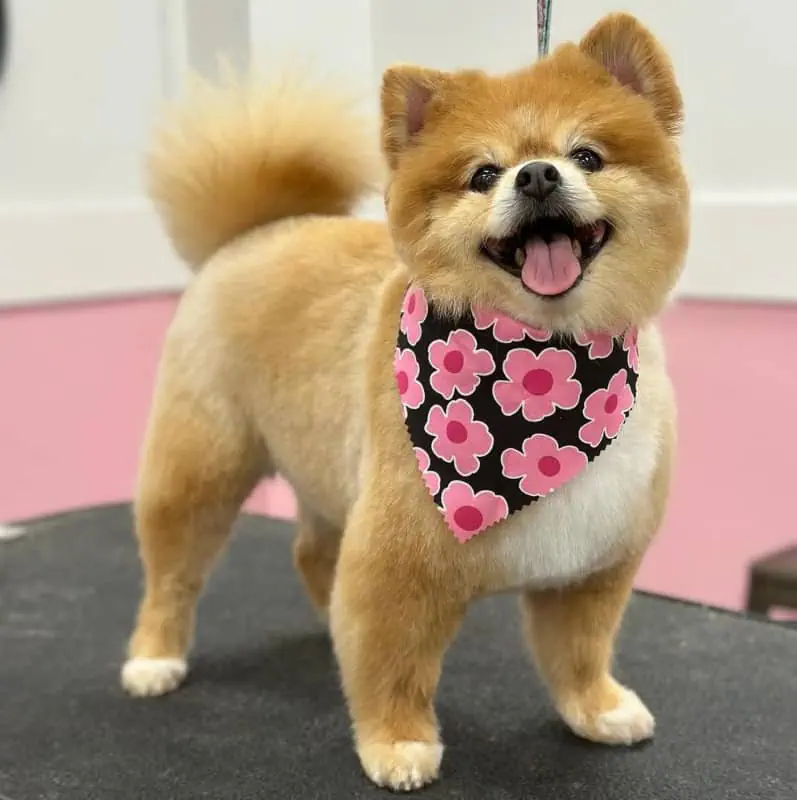
Double coated dogs are known for their lush, insulating fur that protects them from both heat and cold. Breeds like Huskies, Golden Retrievers, German Shepherds, and Akitas have this type of coat, which consists of a dense undercoat beneath a longer outer layer. While shedding season brings obvious grooming challenges, maintaining a double coat requires year-round attention to keep your dog healthy, comfortable, and looking their best.
Understanding the unique needs of double coated breeds is essential for pet parents who want to go beyond seasonal grooming. With the right tools, techniques, and schedule, you can support your dog’s skin and coat health while preventing matting, overheating, and other issues.
Know the Structure and Purpose of the Double Coat
The double coat serves a functional purpose. The soft undercoat regulates temperature and provides insulation, while the outer guard hairs repel dirt and moisture. This natural system helps dogs adapt to changing weather conditions, but it also means their grooming needs are more complex than single-coated breeds.
Shaving a double coated dog is generally discouraged, as it can interfere with their ability to regulate body temperature and may lead to permanent coat damage. Instead, focus on maintaining the coat through regular brushing, seasonal de-shedding, and proper hygiene practices.
Brush Regularly and Thoroughly
Brushing is the most important part of maintaining a double coat. It helps remove loose fur, prevents tangles and mats, and distributes natural oils that keep the coat healthy. During peak shedding seasons, typically in the spring and fall, daily brushing may be necessary. Outside of those times, aim for at least two to three sessions per week.
Use tools designed for double coats, such as undercoat rakes, slicker brushes, and deshedding combs. Start by gently working through the outer coat, then focus on the undercoat to remove dead hair. Be patient and thorough, especially around areas prone to matting like behind the ears, under the legs, and around the tail.
Bathe with Purpose, Not Frequency
Bathing a double coated dog too often can strip the coat of its natural oils and lead to dry skin. Instead of frequent baths, focus on strategic timing and proper technique. Use a high-quality, moisturizing shampoo formulated for double coated breeds, and always rinse thoroughly to avoid residue buildup.
After bathing, drying is critical. A high-velocity dryer can help blow out loose undercoat and prevent mats from forming as the coat dries. Avoid air drying, which can trap moisture and lead to skin irritation. Bathing every 6 to 8 weeks is usually sufficient, unless your dog gets into something messy or has a skin condition that requires more frequent care.
Partner with Professional Groomers
While home grooming is essential, professional help can make a big difference in maintaining a double coat. Experienced groomers in Dothan, AL or your area understand the specific needs of double coated breeds and offer services that go beyond basic brushing and bathing. They can perform deep de-shedding treatments, trim problem areas, and check for skin issues that may be hidden beneath the fur.
Scheduling regular grooming appointments, especially during heavy shedding periods, can help manage the coat more effectively and reduce the amount of fur in your home. Professional groomers also have the tools and expertise to handle thick coats safely and efficiently, making the process less stressful for both you and your dog.
Watch for Seasonal and Health Changes
Double coated dogs may shed more heavily during seasonal transitions, but excessive shedding outside of those times can signal health issues. Poor diet, stress, allergies, or underlying medical conditions can affect coat quality and increase hair loss. Keep an eye on your dog’s skin and fur, and consult your vet if you notice bald patches, redness, or persistent itching.
Nutrition plays a key role in coat health. A diet rich in omega-3 fatty acids, protein, and essential vitamins supports strong hair growth and reduces shedding. Supplements may be helpful, but always check with your vet before adding anything new to your dog’s routine.
Conclusion
Maintaining a double coated dog requires consistent care, attention to detail, and a good understanding of how their coat functions. By brushing regularly, bathing strategically, and partnering with professionals, you can keep your dog’s coat healthy and manageable all year long. Staying proactive about grooming and wellness helps your dog stay comfortable and confident, no matter the season.
Leave a Reply