
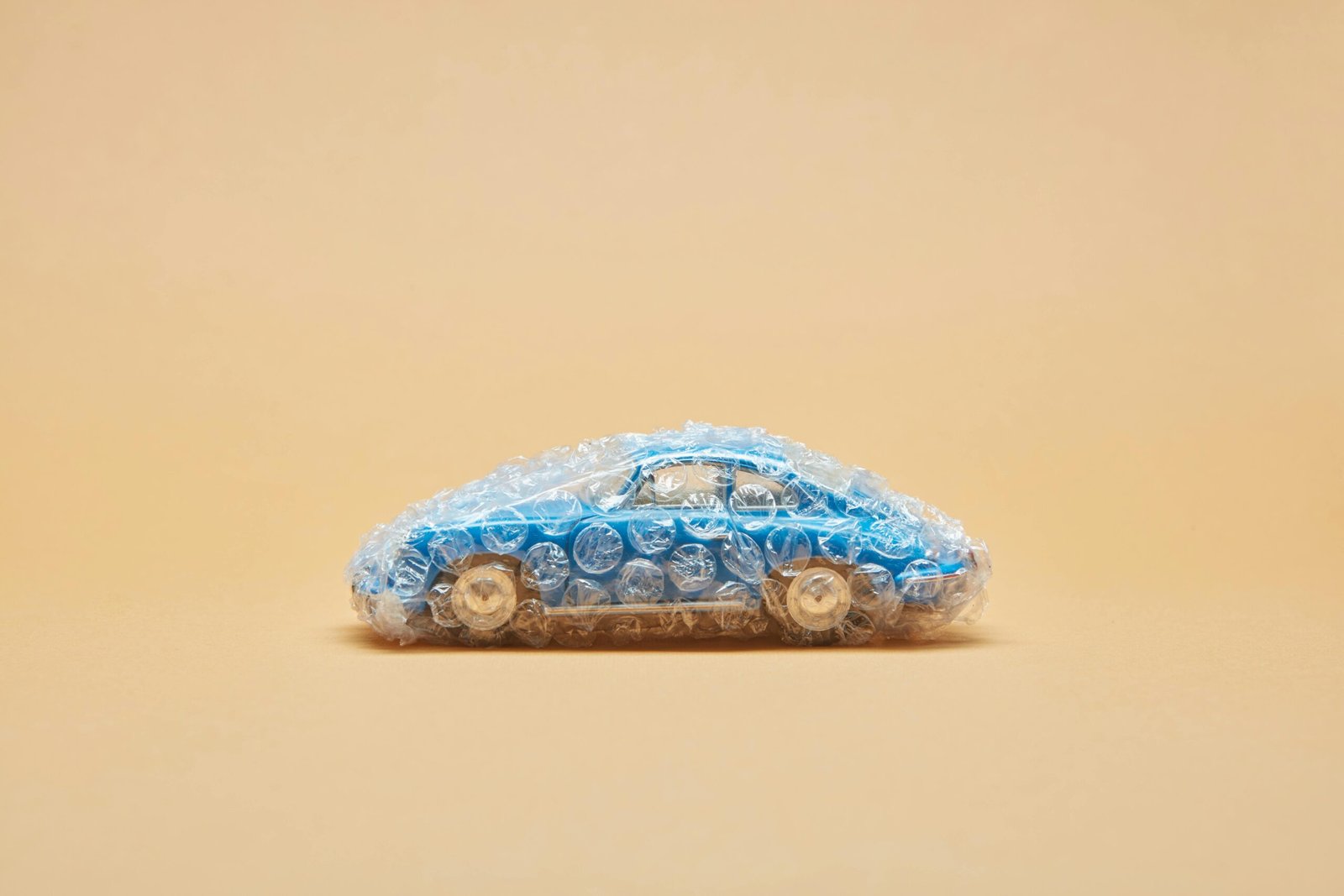
Some people aren’t fussed by scratches on a car. However, for those of us with newer or more expensive vehicles, these dents and scuff marks can be much more frustrating as they potentially devalue your car by hundreds or thousands of dollars.
Almost all cars eventually develop battle scars. However, by taking protective measures, you can delay these scratches and fend off more serious damage (like deep scratches, which may lead to rust). Below are just a few tips to scratch-proof your car.
Watch where you park
Start by thinking about where you leave your car. The risk of getting your car scratched by someone opening their door or misjudging a maneuver increases dramatically when parked in a narrow bay in a busy parking lot. Unless you have no choice to park in these places, aim to find somewhere more roomy and secluded.
When parking at home, use off-road parking if you have it. Parking your car on the curb increases the risk of scratches from passing vehicles or passers-by on the sidewalk. Driveways and garages greatly protect your vehicle.
Invest in car paint protection
Car paint protection provides your car’s bodywork with an extra protective layer. It’s like adding an extra layer of finish to a piece of furniture.
A basic DIY option is to periodically apply wax to your car. This can not only give your car an added sheen, but it helps to provide a temporary barrier against contaminants for up to 2 months.
A more effective option is paint protection film (PPF). This is a layer of polyurethane film that can protect your car’s bodywork from stone chips, scratches and UV light. It’s ‘self-healing’ – on a hot day, the film softens up and scratches disappear. It lasts up to 10 years in many cases.
Buy a car cover
You can also protect your car against scratches by sheathing it with a tarpaulin or specially designed car cover when not in use.
This is particularly effective at protecting your car against damage from falling debris, tree sap, bird droppings and sunlight. It may even help reduce damage from light impact (especially padded car covers).
Make sure covers are designed for cars and that they are breathable and waterproof – this will prevent moisture build-up, which could cause issues like mold and rust.
Clean your car correctly
Many people accidentally scratch their car while cleaning it. Using harsh brushes and cloths to rub away stubborn dirt can often leave behind scuff marks and scratches, so you need to be careful what you use to clean your car.
Microfiber cloths or microfiber towels are the best tools for cleaning and drying your car – they are designed to not cause scratches. You can use a PH-neutral car shampoo to help loosen up grime.
You may also want to steer clear of automated car washes. These often use brushes with large stiff bristles, which may leave small scratch marks behind. Washing your car by hand may be more labor-intensive, but you’ll be able to more delicately remove dirt and dust, keeping you paintwork intact.
Leave a Reply