
If you live in Jackson, you know how quickly a heavy rain can change your yard. One strong storm and suddenly there are puddles near the driveway, soggy grass in the backyard, and muddy spots that seem to stick around for days. In areas with dense soil and frequent rainfall, outdoor drainage issues are common.
What might seem like a small nuisance can turn into a larger problem if it’s ignored. Standing water can damage grass, weaken plant roots, and even threaten your home’s foundation. Over time, poor drainage can lead to cracked concrete, basement leaks, and costly structural repairs.
The good news is that most outdoor water problems have practical solutions. The key is identifying what’s causing the issue and taking action before it becomes more serious.
Standing Water and Poor Yard Drainage
One of the most common outdoor water problems is standing water in the yard. After a rainstorm, you might notice low spots that fill with water and take days to dry out. In Jackson, where clay-heavy soil is common, water often struggles to drain naturally.
Poor grading is a frequent cause. If your yard slopes toward your house instead of away from it, water will collect near the foundation. Compacted soil also prevents proper absorption. Over time, this can lead to mosquito breeding, damaged grass, and stressed landscaping.
In some cases, simple fixes like aerating the soil or adjusting sprinkler settings can help. However, persistent drainage issues often require more advanced solutions. Installing French drains, catch basins, or channel drains can redirect water safely away from problem areas. Regrading certain sections of the yard may also be necessary to create the correct slope.
When drainage problems continue despite basic efforts, working with an experienced landscaping company in Jackson can help homeowners install tailored systems such as French drains, surface drains, and proper grading adjustments designed to move water away from foundations and landscaping effectively. Professional drainage installation ensures that water is directed through underground piping or controlled channels rather than pooling on the surface.
Addressing standing water early protects both your lawn and your home.
Water Pooling Around the Foundation
Water collecting near the foundation is more than an inconvenience. It’s a warning sign.
If rainwater consistently pools near your home, it can seep into small cracks in the concrete. Over time, this can lead to foundation damage, basement leaks, and mold growth. Even minor water intrusion can weaken structural integrity if left untreated.
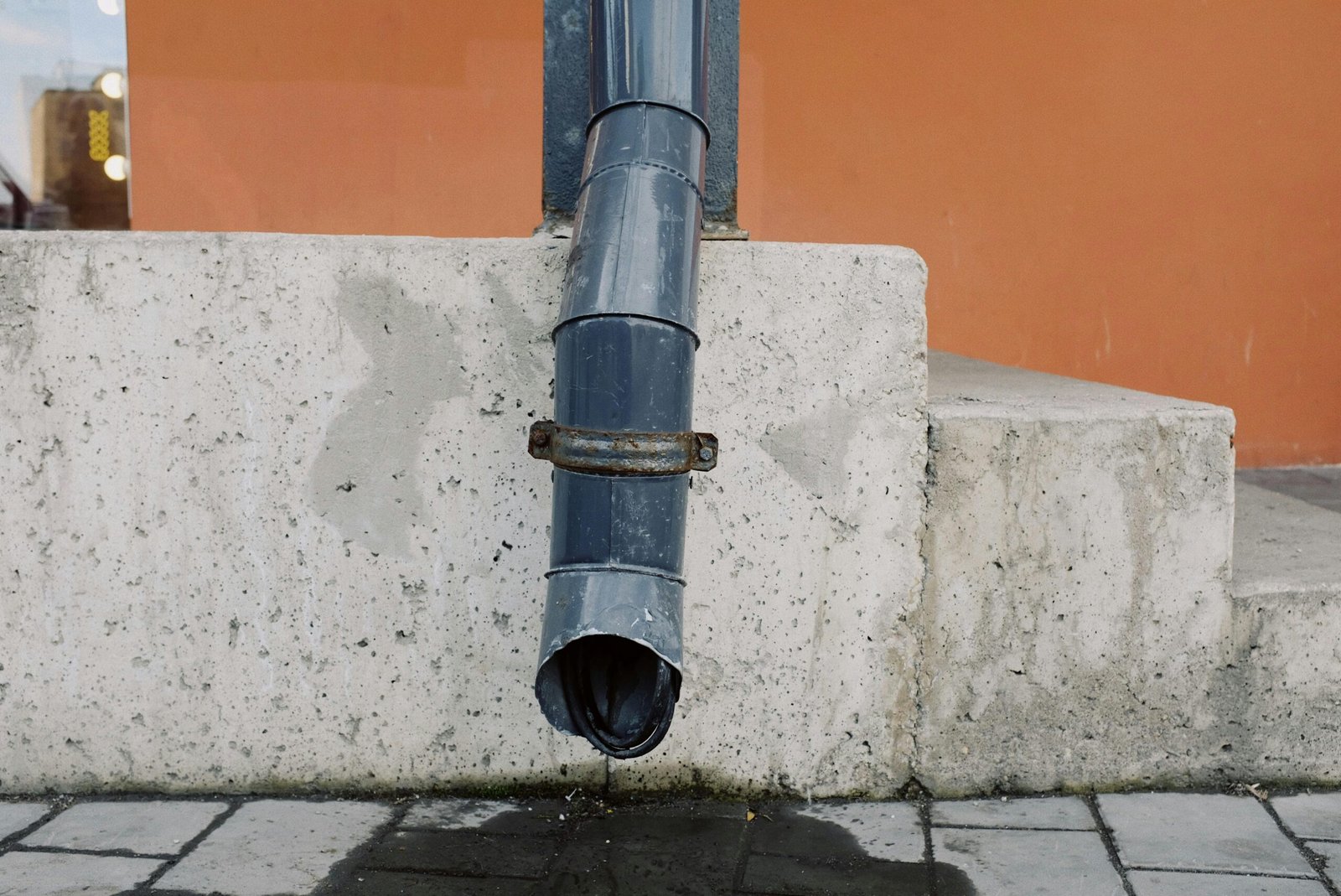
Often, the problem starts with downspouts. If they empty too close to the house, water will naturally gather around the base. Extending downspouts several feet away can make a noticeable difference.
Clogged gutters are another common culprit. When gutters overflow, water pours directly onto the ground near the foundation. Regular cleaning prevents this.
In more serious cases, adjusting the yard’s grading or installing foundation drains may be necessary. The goal is simple: move water away from your home as quickly and efficiently as possible.
Erosion and Washed-Out Landscaping
Heavy rainfall can also lead to erosion. You may notice soil washing away, exposed plant roots, or mulch that disappears after every storm.
Erosion not only affects appearance but can also destabilize landscaping features. Sloped yards are especially vulnerable. Without proper drainage control, rainwater flows downhill with force, carrying soil along the way.
Installing retaining walls or adding ground cover plants can help stabilize the soil. Gravel paths or decorative rock beds can slow down runoff and reduce erosion. In some cases, erosion-control fabric placed beneath mulch provides added protection.
Protecting your landscaping from erosion keeps your yard healthy and prevents uneven surfaces from forming.
Clogged or Overflowing Gutters
Gutters play a major role in managing outdoor water. When they are clogged with leaves or debris, water cannot flow properly through the downspouts. Instead, it spills over the edges and falls directly against your home.
This overflow can cause staining on siding, damage to landscaping, and increased foundation risk. Regular gutter maintenance is one of the simplest ways to prevent water problems.
Installing gutter guards can reduce buildup and make maintenance easier. It’s also important to ensure that downspouts direct water away from the house rather than pooling in one spot.
Sometimes the simplest fixes have the biggest impact.
Outdoor water problems often start small. A little pooling here, a bit of runoff there. But over time, those small issues can grow into major repairs if ignored.
Standing water, foundation pooling, erosion, gutter overflow, and irrigation mistakes all share one thing in common: they can be managed with the right approach. By improving grading, installing proper drainage systems, and maintaining gutters and irrigation, you protect both your landscaping and your home’s structure.
If you’re unsure where to begin, start by observing your yard after a heavy rain. Notice where water collects and how it flows. Taking action early prevents larger problems down the road.
A well-drained yard not only looks better, but it also provides long-term stability and peace of mind for homeowners in Jackson.
Leave a Reply