
When you have kids, your home feels a little bit different. It’s not just a place to sleep and store your things; it becomes the backdrop for many milestones, messes, laughter, and long nights. You start to see every corner through a new lens: is it safe, is it practical, or will it hold up to daily life? The truth is that you don’t need to have a perfect house; you just need to make sure that you have a home that supports your family’s rhythm and routine.
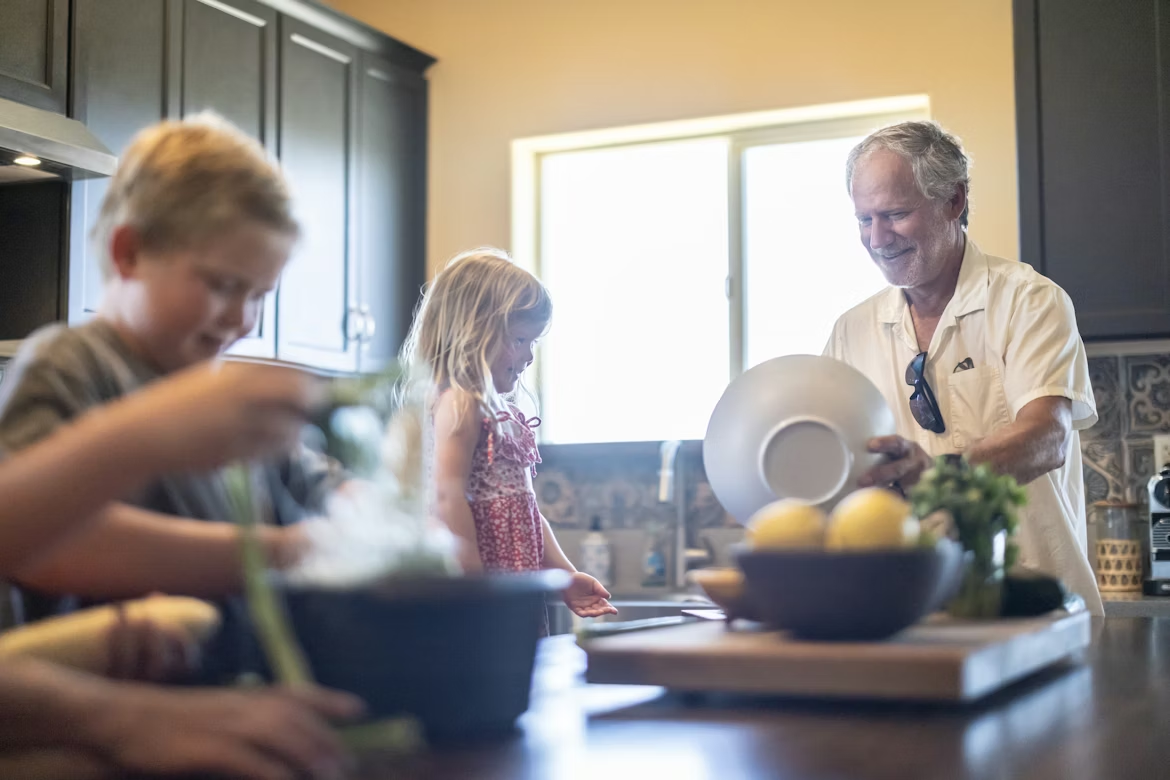
Photo by Land O’Lakes, Inc. on Unsplash
Let’s talk about the areas that matter most and how you can make thoughtful updates without overwhelming yourself.
Start With Safety at the Top
When you’re busy managing school schedules and snack requests, it’s easy to ignore parts of your home that you rarely see, and your roof is one of those areas. But your roof protects everything that’s underneath it. If it is aging or damaged, small leaks can turn into expensive problems fast. Look for warning signs: missing shingles, water stains on ceilings, or any granules in the gutters.
If you notice issues like this, it may be time to consider roof replacement before a minor repair becomes a major disruption. Planning ahead gives you more control over timing and budget. What this means for you is peace of mind; you don’t have to worry that every time a storm rolls in, something bad is going to happen. You can focus on bedtime stories instead of booking’s catching drips.
Make Entry Points Secure and Functional
Your garage is part of your daily routine. If it is sticking, making loud noises, or won’t close properly, then it’s going to create stress and safety concerns, too. Check the sensors, listen for unusual sounds, and make sure that the door seals tightly at the bottom.
Upgrading or repairing your garage door is something that’s going to improve the security of your home and convenience at the same time. When your home’s entry points work more smoothly, the day starts and ends on a calm note.
Design Spaces That Grow With Your Kids
Children grow very quickly and then need to change just as fast. Instead of redesigning rooms every few years, think about the flexibility behind your designs. Choose furniture that is going to be adaptable. A convertible piece of furniture that converts into a toddler bed, for example, is a great way to not have to buy a second piece of furniture. Storage cubes that change from toy bins to bookshelves and neutral wall colors that work with evolving interests are going to work better than changing the wallpaper every couple of years.
Try to create zones within the rooms, such as having a reading corner, a craft table, and a quiet spot for homework. There’s no need for you to have themed rooms that feel outdated in a year. You need spaces that are going to support creativity and independence. When you design with growth in mind, you’re not only going to save money, but you are also going to reduce stress further down the line.
Prioritize Practical Storage
Clutter builds up very quickly in a family home. Shoes by the door, backpacks on the floor, toys in every corner, you can’t eliminate the mess entirely, but you can control it. Start at your entranceway: install hooks at kid height and label some bins for shoes, and use baskets to collect more items in the living area. Consider furniture with hidden storage, such as ottomans that open and coffee tables with drawers.
These are just a few ways for you to do this. Teach kids simple cleaning routines and make storage really easy so that they can participate. A tidy home isn’t about being perfect; it’s all about making sure you have the systems in place that are going to make daily life run smoother.
Create a Calm Corner for Yourself
Moms often put themselves last, but you need to make sure that you have a space that belongs to you, even if it is only small. It could be a reading chair in your bedroom, a desk corner, or a spot on the patio where you drink coffee before everybody wakes up.
You need to keep it simple, such as having a comfortable chair, good lighting, and a small table for journaling. Protect that space and let your family know that it is really important. When you have a space to reset, you handle the chaos of family life with more patience.
Focus on Durable Materials
Kids are hard on homes. Spills happen; walls are bound against scuffs and flaws. They take a bit of a beating, but when you update your home, you need to make sure you are choosing materials that are going to be able to handle real life. Washable paint finishes make cleaning much easier, stain-resistant fabrics hold up better in high-traffic areas, and durable flooring reduces the stress of constant upkeep.
There’s no need for you to have luxury finishes; you just need to look for practical ones. This approach means that you can relax a little bit more; you won’t panic every single time juice tips over.
Keep Outdoor Areas Family Friendly
Your backyard can become an extension of your living space. There’s no need for you to have a massive renovation; you just need to start with the basics: say fencing, soft flooring under the play equipment, and comfortable seating for parents. Add a few simple touches like string lights or a picnic table, and encourage outdoor play as much as you can.
This will give your kids the space to burn energy, and it gives you a break from indoor noise. And while you’re outside, take a moment to check your home’s exterior, look at the siding, gutters, and roof to make sure that you are spotting any issues early on.
Conclusion
Creating a safe, comfortable home for your grown family does not mean that you need to be constantly in a state of renovation. Start with the essentials first and make sure that your roof, garage door, and entry points are secure.
Reliable design, flexible spaces that grow as your kids do, and choosing durable materials that are going to stand up to your daily life are important. Your home doesn’t need to look flawless or be flawless; it just needs to support your family’s actual life. Focus on making thoughtful improvements just one step at a time.
Leave a Reply