
As energy costs continue to climb, many homeowners are looking for smarter ways to control indoor comfort. Windows have become a key part of that conversation, particularly awning-style options. In online discussions and renovation advice columns, they are often described as an energy-saving upgrade. Yet opinions remain mixed. Are they truly effective, or simply another trend?
Fortunately, the answer is yes. When designed and installed properly, awning windows can help reduce energy use in noticeable ways. In fact, research shows that awnings can reduce indoor temperatures by up to 15 degrees and lower cooling costs by as much as 25 percent during peak summer months. That is more than a minor improvement.
Want to know how exactly they achieve these results? Keep reading! This article takes a clear look at the facts and offers practical tips to help you get the most from them.
How Awning Windows Help Lower Energy Bills
Energy savings are never accidental. They result from thoughtful design choices that limit heat transfer and reduce air leakage. With awning windows, efficiency comes from how they are built and how they function within the home. Their structure, sealing mechanism, glass configuration, and proper installation all work together to support better temperature control.
A Tighter Airtight Seal Reduces Drafts
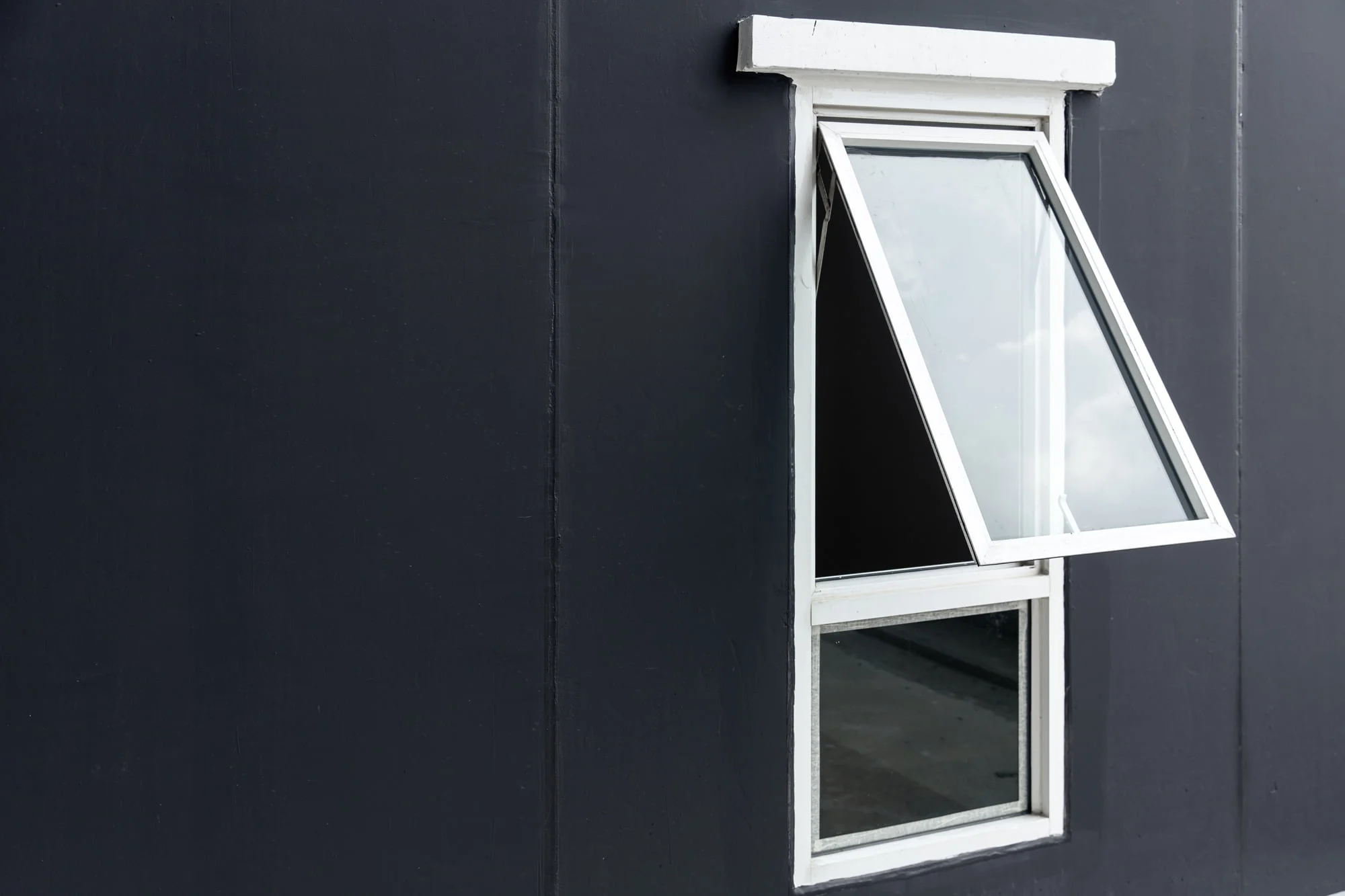
One of the strongest advantages of awning windows is their design. They are hinged at the top and open outward from the bottom. When closed, the sash presses firmly against the frame. This compression creates a tighter seal compared to sliding or single-hung windows, which rely on tracks that can allow small gaps.
Because of that snug closure, less conditioned air escapes from your home. During summer, cool air stays inside longer. During winter, warm air is retained more effectively. As a result, your HVAC system does not have to cycle as frequently to maintain a steady temperature.
What enhances this benefit even further is having the fitting handled by an experienced team such as Premier North Windows & Doors. Skilled professionals understand how to Install Awning Windows with careful alignment and professional-grade sealing methods. By ensuring proper insulation around the frame and using the correct tools, they eliminate micro-gaps that might otherwise compromise performance. This thorough approach strengthens long-term energy savings.
Better Ventilation Without Letting Heat In
Ventilation plays a larger role in energy savings than many people realize. Awning windows allow fresh air to enter from the bottom while still offering protection from rain due to their angled opening. This means you can keep them open during light showers or mild weather without worrying about water entering the home.
Because of that flexibility, homeowners can rely less on air conditioning during cooler mornings and evenings. Instead of turning on the AC immediately, you can encourage cross-ventilation and allow warm indoor air to escape naturally. Over time, this reduces strain on cooling systems.
In addition, controlled airflow helps manage indoor humidity. And when humidity is balanced, the home feels more comfortable at slightly higher temperatures. That alone can reduce the need for constant cooling.
Multi-Pane Glass and Insulated Frames
Modern awning models are often built with energy efficiency in mind. Many models include double or triple-pane glass with insulating gas fills between panes. These layers reduce heat transfer, keeping hot outdoor air from entering during summer and preventing indoor warmth from escaping during winter.
Insulated frames also contribute to performance. Materials such as vinyl or fiberglass limit thermal bridging, which occurs when heat moves through solid framing materials. Together, insulated glass and frames create a more stable indoor climate.
When temperature fluctuations are minimized, heating and cooling systems operate more efficiently. Instead of working overtime to compensate for heat gain or loss, they maintain comfort with less effort.
Tips to Get the Most Energy Savings from Awning Windows
While awning windows can lower energy bills, their full potential depends on how they are used and where they are placed.
Choose Strategic Placement
The panes perform especially well in areas that benefit from controlled ventilation, such as kitchens, bathrooms, and basements. Placing them higher on walls can encourage warm air to rise and escape, promoting natural airflow.
They also work beautifully alongside fixed windows. Fixed panes invite natural light into the room, brightening the space without sacrificing insulation. Meanwhile, the operable awning section provides ventilation when needed. Together, this pairing creates a balanced environment that supports both comfort and energy efficiency.
Combine with Broader Energy Improvements
While the pane style can improve performance on its own, its impact becomes stronger when it is part of a broader energy strategy. Simple upgrades such as the following can significantly reduce unnecessary energy loss:
- Sealing door gaps with weatherstripping to prevent drafts
- Improving attic insulation to reduce heat transfer
- Using programmable thermostats to better control heating and cooling cycles
When these improvements work together, the home becomes more thermally stable. Heating and cooling systems operate with less strain, and energy savings become more noticeable over time.
Wrapping Up
So, do awning windows help lower energy bills? Yes, they can. Their tight seal, controlled ventilation, and insulated construction all contribute to improved efficiency when properly installed. While they are not a single solution to rising energy costs, they can play a meaningful role in reducing heat gain and easing the burden on your HVAC system.
Leave a Reply