
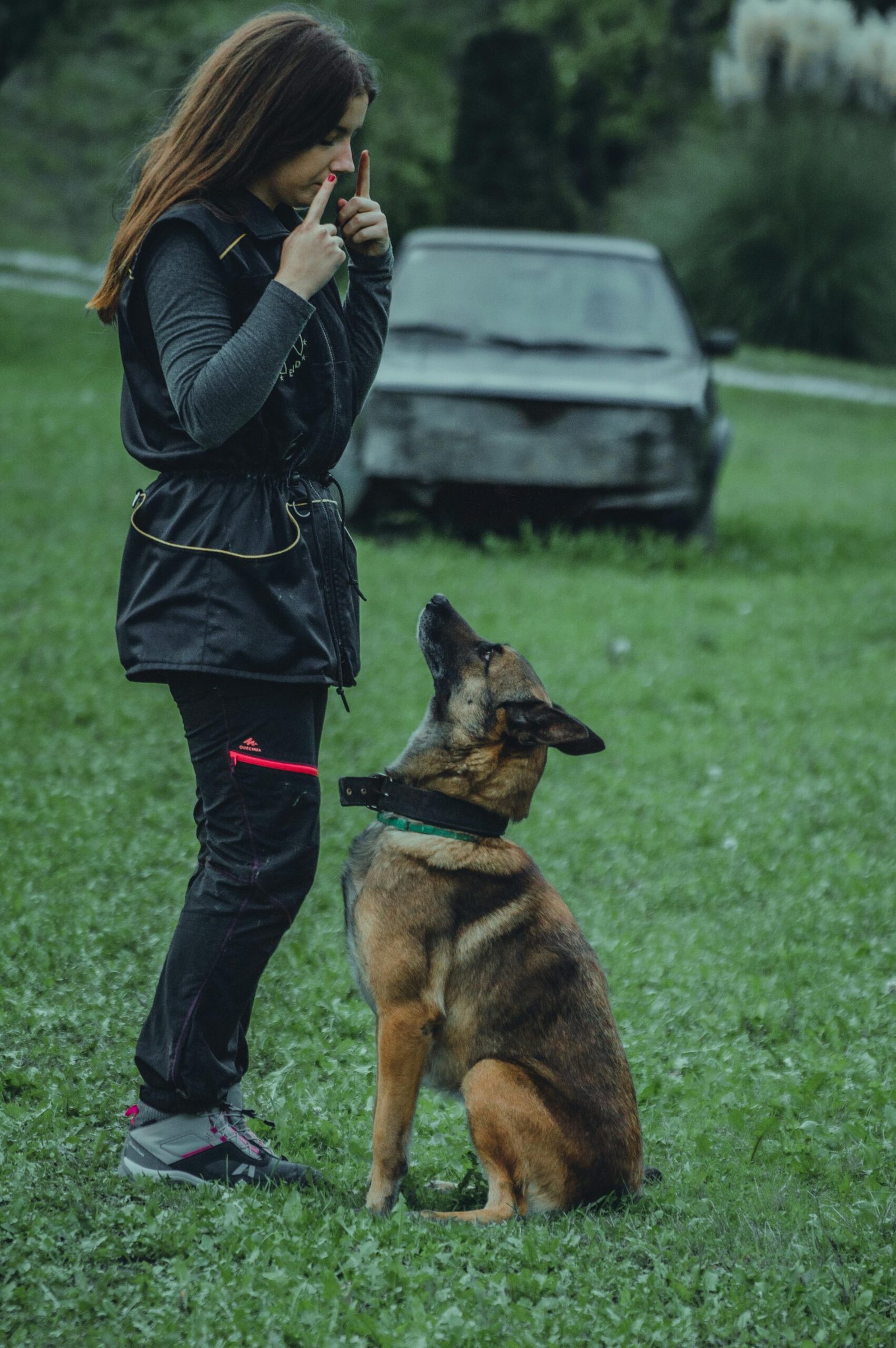
Dog training sounds easier than it is for most pet owners. You give your dog a command, they learn it quickly, and that’s solidified in their brain for life, right? Not quite, and poor dog training techniques and bad habits can actually have the complete opposite effect.
Dogs learn through patterns, repetition, and clear signals, and if there’s any confusion, what you’re trying to teach them won’t stick.
And while you might feel your dog is being stubborn or ignoring you (if you have a beagle, they may just be doing that), the reality is they’re likely confused by the mixed signals you’re sending out. Dogs respond best when things remain consistent across environments and people when it comes to training.
Let’s take a little look at some of the common training mistakes you might be making.
Giving Commands Without Consistent Words
One of the most common training errors is using multiple commands for the same behaviour.
A dog might hear “sit,” “down,” “sit down,” all used for the same behaviour. And while you, the human, might understand the intention, your dog doesn’t and is going to end up like I’m not sure what you want and doing nothing. You need to keep all of your commands consistent. Use the same words for the same actions and reward when they give you the correct result for the command.
Whether you use a hand signal or a command word, choose words that they’re not likely to hear unless they’re being given a command, so they know when they hear that word, they need to perform a specific action.
Repeating Commands Multiple Times
Ask any dog owner, and more than once, they’ll have fallen into the habit of repeating commands “sit…sit…sit…SIT”; it just escalates.
The problem with repetition of the command is that it teaches the dog that the command word itself means nothing. They start to wait till they hear it more than once before acting, if at all. Then, over time, the command loses urgency and becomes background noise.
Instead, give the command once, then pause. If the dog doesn’t respond, gently guide them into the behaviour calmly or reset the training moment.
Reward the correct response immediately so the dog starts to associate the first cue with a clear outcome. This way, you’re teaching the dog that something good happens the first time they hear the command, not the fourth or fifth time.
Rewarding Behaviour Too Late
Here’s the thing: timing is important in dog training. If you’re rewarding the action several seconds later, you’re creating confusion about what the reward actually represents.
You need to reward immediately once they have displayed the appropriate behaviour because otherwise your dog might think it’s being rewarded for something entirely different.
It requires precise timing to get the reward at the right time. As soon as you mark the right behaviour with a clicker, for example, or a cue word, you need to reward. This helps the dog know that the command, cue, and action “sit” and that the following “yes” or click delivers the reward. It’s connecting the action to the reward, and this means rewarding stability.
Ignoring Small Issues Early
It can be all too easy to ignore certain actions and behaviours at the beginning. For example, if you have a puppy, it can be cute having them jump on you and run around excitedly, or pulling or biting their lead. But once they grow, these behaviours, when not corrected, lead to them thinking this is appreciated, and it’s much harder to correct.
The best way to deal with this is to not encourage the behaviour at all, despite the dog’s age, especially important when adopting shelter dogs. They might have already learnt this behaviour, but setting boundaries with them regarding it as soon as they come to you helps retrain them.
Reinforce the calm behaviour you want them to exhibit quickly as soon as they do it. If these issues become a habit and they are learnt behaviours causing a problem, it’s an option to get expert training from dog trainers such as KC Dawgz to learn the right way to correct behaviours and get some insight into your dog so you can rebuild behaviour patterns and reinforce your relationship.
Training Only In Scheduled Sessions
All of the time, people automatically default to set training blocks, which is great, but they then forget to apply them in the real world, doing general day-to-day activities.
It’s not good just to spend 10 minutes per day training in a controlled environment. Dogs learn best through repetition, as we mentioned, and this needs to be across different environments, whenever and wherever you are. Limiting where the dog trains limits how well they can apply these behaviours in different situations.
Integrate training into everyday routines. If you’re teaching your dog to “leave it,” try it when you put their meals out. If you’re teaching them “wait” or “stay,” try with active thresholds at the front door or when out on walks to test their staying power and self-control. Same behaviour in different environments, still rewarding the behaviour you want to see.
Accidentally Rewarding Excited Behaviour
Dogs learn really fast what behaviours reward them via attention. And unfortunately, some owners enforce this when really they want the opposite to happen.
If your dog jumps up and you give thema fuss or talk to them, then this can feel like a reward. Or if your dog reacts negatively to a person or other dog and you reward them to get them to calm down, the behaviour is reinforced.
The difference here is how attention is delivered and when. If you come home and your dog jumps up at you, you need to ignore the behaviour you want to stop. Then, once they become calmer, give them the attention. It works the same as a treat delivery. They’re jumping up as they’re excited and want to greet you, which is lovely to come home to. But if you want to eliminate this behaviour, you should only deliver that attention when they’re calm. They’ll learn this is what gets them what they want, and over time, with correct reinforcement, they’ll stop jumping up and recognise they do not get what they want this way.
Leave a Reply