Have you ever noticed how brushing your teeth for two minutes can feel like an hour—but skipping it somehow feels totally harmless? It’s tempting to think we can cut corners and still get by. But in places like Brighton, Michigan, where seasonal changes bring everything from hot cider to frozen custard, our teeth are constantly facing new challenges. Consistent care isn’t just a dental suggestion—it’s a survival strategy for your smile.
Oral Health Is a Daily Investment, Not a Yearly Fix
In a world of fast fixes and monthly subscriptions for everything from dog food to mindfulness apps, it’s no surprise people often treat dental care as an as-needed service. A chipped tooth? Call a dentist. A little bleeding when flossing? Ignore it. But oral health doesn’t work on-demand. Just like you wouldn’t only change your car’s oil when the engine seizes, your mouth needs regular maintenance to stay in good shape.
Routine brushing, flossing, and checkups do more than keep your smile bright. They help detect cavities before they grow, reduce plaque buildup, and spot early signs of gum disease. A healthy mouth doesn’t happen by accident—it’s a byproduct of small, consistent habits.
When Familiar Faces Make the Difference
While YouTube offers an endless stream of “at-home dental hacks” involving coconut oil and activated charcoal, nothing compares to personalized guidance from professionals. That’s where local clinics play a key role. Families in the area rely on providers like The Dental Team of Brighton, where consistency isn’t just about appointments—it’s about relationships.
Seeing the same hygienist or dentist over time builds trust. These professionals don’t just clean your teeth; they remember that sensitivity you mentioned last year, or how your teen grinds his teeth during finals week. That kind of attention makes it easier to spot issues early and talk openly about concerns. It also demystifies dentistry. When patients feel heard, they’re more likely to follow care recommendations at home. No DIY whitening gel from an Instagram ad can replace that level of connection.
Healthy Smiles Reflect Healthy Lifestyles
Your mouth is part of a larger system. When people stay hydrated, avoid sugary snacks, and manage stress, their oral health improves. But habits don’t form in isolation. Regular dental visits often prompt better daily choices. You remember to floss more often. You might choose water over soda because your hygienist mentioned how acid weakens enamel.
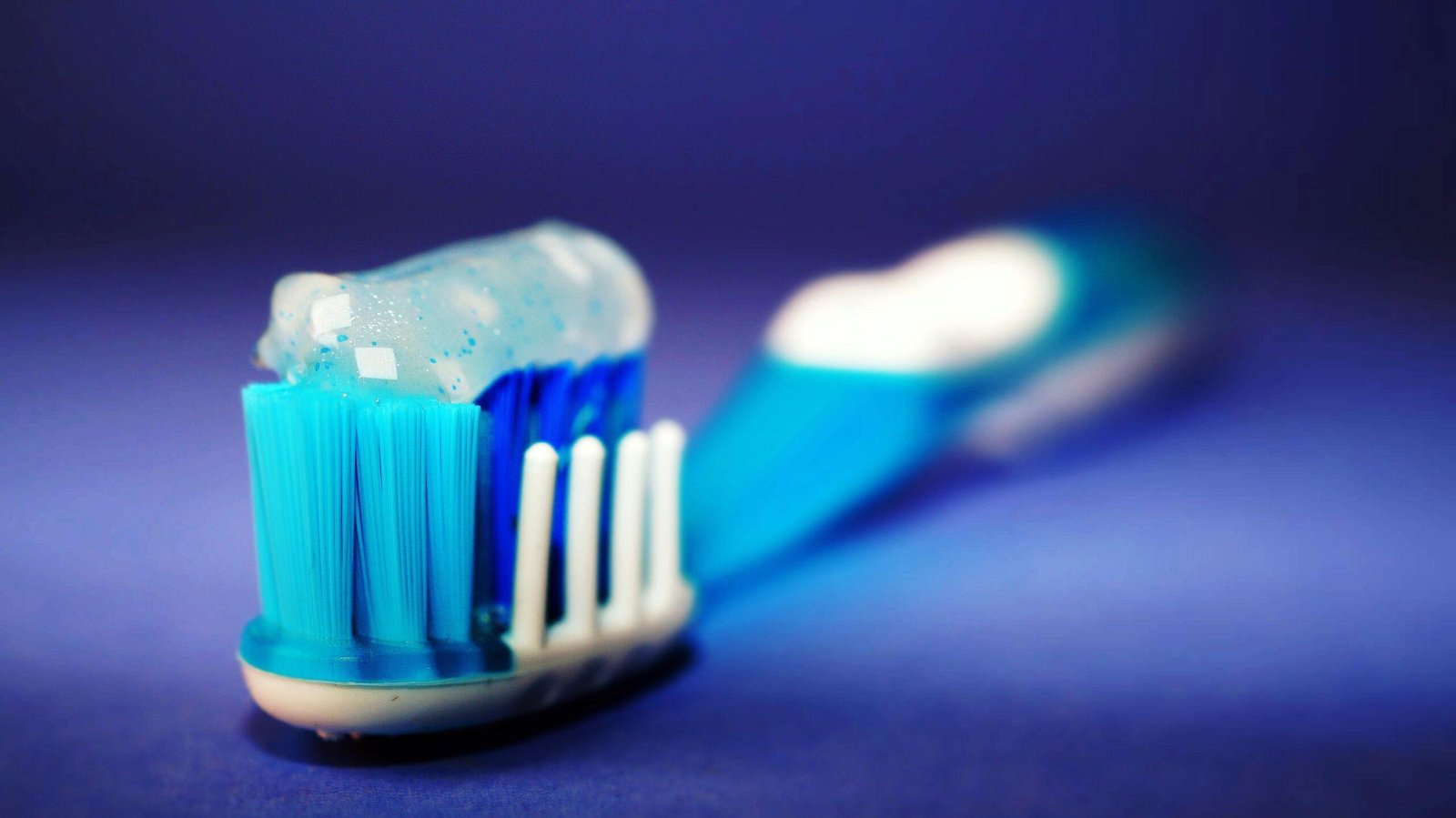
Dental consistency creates a ripple effect. People who care for their mouths tend to care for their whole selves. It’s no surprise that good oral health is linked to lower risks of heart disease and diabetes. A toothbrush, it turns out, might be one of your most powerful wellness tools.
Kids Learn Lifelong Habits from Repetition, Not Lectures
Convincing a child to floss can feel like trying to explain taxes to a cat. But repetition works. When kids go to the dentist every six months and hear the same messages from adults they trust, the routine becomes normal—expected, even. It’s not about lecturing them into obedience; it’s about modeling habits until they stick.
Pediatric dentists often use humor and reward systems, but the magic ingredient is consistency. A child who grows up brushing daily and seeing the dentist regularly is far more likely to keep that up as an adult. And given how costly dental care can be later in life, that’s a big win.
Technology Can Help—If It’s Used the Right Way
Smart toothbrushes. Apps that remind you to floss. AI-powered cavity detection. Dental tech is booming. But here’s the catch: gadgets don’t replace habits. They support them. A Bluetooth-enabled toothbrush is cool, but if it gathers dust on the counter, your teeth don’t care.
Used properly, though, technology makes consistent care easier. Parents can track kids’ brushing patterns. Teens can set reminders that feel less like nagging. Even virtual check-ins, which gained popularity during lockdowns, help people stay on track between cleanings. The key is not to rely on the tools themselves, but to use them to reinforce routines.
Dental Insurance Doesn’t Always Mean You’re Covered—But It Shouldn’t Stop You
One of the biggest barriers to regular dental care in the U.S. is cost. Insurance can be confusing, and coverage often feels like a maze of exceptions. But delaying visits because of financial uncertainty can make things worse. A $100 cleaning might prevent a $1,000 root canal.
Some clinics offer payment plans or membership models to ease the burden. Community health centers often provide sliding scales. And for those without insurance, preventive care is still the most cost-effective move. The earlier you act, the cheaper the outcome. Consistency, once again, becomes your best financial strategy—not just your best health one.
Brushing, flossing, and showing up for checkups may not feel revolutionary. But in a culture obsessed with overnight makeovers and quick fixes, the slow and steady rhythm of consistent care is quietly radical. It doesn’t chase trends or promise instant results. Instead, it offers something far more valuable: long-term peace of mind—and a smile you can trust to show up for you every day.
Leave a Reply