
Moving across the country feels like stepping into the unknown. You’re embarking on a major life transition after all. Congratulations!
A long-distance move can be stressful and isolating what with all of the packing things up, searching for internet availability by address and setting up all the other new utilities, and that’s just for starters, but you don’t have to go through it alone. The right long-distance moving company can turn this overwhelming experience into something manageable, stress-free, and even fun! Imagine, instead of handling moving logistics, you get to set off on the Great American Road Trip.
But not all cross-country movers are created equal. You shouldn’t just pick the first company that pops up on Google and hope for the best. Your belongings (and your sanity) deserve better than that.
So, how do you separate the pros from the pretenders? Follow this step-by-step guide to find cross-country movers who’ll do the job right.
Step 1: Set Your Moving Budget
Moving costs for cross-country relocations can range from “ouch” to “holy cow, that’s expensive!” Without a clear budget, you might find yourself drowning in unexpected expenses.
Instead of winging it, set a budget and stick to it. Here’s what you need to budget for:
- Professional moving fees: Expect to pay $2,500–$6,000+ for interstate moves, depending on your home size and how far you’re going.
- Packing supplies: Those boxes, tape rolls, and protective materials will run you $300–$500 for an average home.
- Moving insurance: Basic coverage comes free, but real protection for your valuables adds $300–$800.
- Your travel expenses: Hotels, meals, and gas while you’re on the road.
- New home setup: Utility connections and deposits typically cost $300–$600.
Pro tip: Everyone wants to move when their kids are out of school and the weather is nice, so try to avoid moving during the summer to get better moving rates and scheduling.
Step 2: Figure Out What Services You Need
Long-distance moving companies offer everything from basic “we’ll drive your stuff” service to full-service options. The moving process you choose depends on your budget, timeline, and how much you trust strangers with your belongings.
Your full-service moving company options include:
- Basic transportation: They load, drive, and unload—you handle everything else.
- Packing and loading: Professional packers who know how to wrap your grandmother’s china.
- Storage solutions: For when your new place isn’t ready or you need to downsize.
- Specialty handling: Custom care for pianos, artwork, and other “please don’t break this” items.
- Complete unpacking: They’ll even put your books back on the shelves (in the right order, hopefully).
- Furniture assembly: Because nobody enjoys deciphering IKEA instructions after a cross-country move.
Full-service costs more, but it might be worth it if you’re juggling a new job, kids, or just want to maintain your sanity during the transition.
Step 3: Do Your Homework on Moving Companies
The moving industry has amazing companies and absolute nightmares. Your job is to tell them apart before they’re loading your belongings into their truck.
Start With People You Trust
Personal recommendations often beat online reviews. Ask trustworthy friends, family, coworkers, or anyone who’s survived a cross-country move recently. They’ll give you the real story about which companies delivered on their promises and which ones made them want to hide under a blanket.
You can also ask strangers who are interested in you having a good moving experience, like your real estate agent. They work with movers regularly and know which companies have years of experience handling relocations smoothly. If you’re moving for work, check with your employer’s relocation department too.
Dig Into Online Reviews
Customer reviews on Google, Yelp, and the Better Business Bureau are useful if enough people have reviewed the service. A moving company with two 5-star reviews might be good, or they might have asked their family members for reviews.
Stick to companies with established review records. Don’t panic over one bad review. Instead, look for patterns. Do multiple people mention the same problems? That might be a red flag.
Pay attention to reviews that explain how companies handled moving day challenges. The best cross-country moving companies demonstrate excellent customer service by solving problems quickly and professionally.
Step 4: Verify Credentials
Legitimate long-distance moving companies have proper licenses, insurance, and bonding to operate legally throughout the United States. These credentials protect your belongings and confirm that you’re dealing with a real business instead of someone with a truck.
Understand insurance
Reputable movers carry liability insurance covering your possessions during transit. Ask about the details: coverage limits, deductibles, and what happens if something breaks or disappears. Standard coverage might not fully protect valuable items, so consider additional protection. Full-value protection and third-party insurance cost more but provide better coverage for precious belongings.
Check Their Credentials
Request documentation of licenses and insurance policies from any company you’re considering. Interstate moves require valid U.S. Department of Transportation numbers and Federal Motor Carrier Safety Administration operating authority. You can verify these through the FMCSA website.
State licensing requirements vary, so check what’s required in your area. Make sure all licenses are current and in good standing before making your decision.
Step 5: Get Quotes and Ask Questions
During initial phone calls or in-home estimates, ask questions to evaluate each company’s expertise and professionalism. This conversation reveals important information about their moving process and helps you spot potential problems.
Questions to ask:
- What additional services, including packing, storage, and specialty handling, do you offer?
- How many years of experience do you have with cross-country relocations?
- What’s your damage and loss rate for moves similar to mine?
- How do you handle unexpected delays or equipment problems?
- What’s your policy for booking cancellations or rescheduling?
- Can you walk me through your packing and loading procedures?
- What’s your claims process for damaged or missing items?
Watch for these warning signs:
- Unprofessional appearance or behavior during the estimate
- No permanent business address or physical office location
- Vague or evasive responses to your questions
- Primary contact through personal email addresses or cell phones only
- Can’t provide proper licensing and insurance documentation
Trust your gut. If something feels off, it probably is. Most likely, you’ll end up with a couple of great choices. You can scrutinize their service and pricing structures to pick the one that aligns with your moving plan and budget. Now you’ve got yourself a long-distance moving company. Good work!
Step 6: Prepare for Moving Day
Once you’ve selected your moving company, create a detailed moving checklist covering tasks for the weeks leading up to your departure. Organization keeps you on task and stress-free.
Start planning your relocation timeline at least eight weeks before your target date. Popular moving companies book up quickly, especially during peak season, so make your choice as early as possible. Early booking also gives you time to address any problems that arise.
Confirm all details with your chosen company a week before moving day. Review all services, discuss any special requirements, and address concerns before they become problems.
Expert Long-Distance Moving Tips
During my last move, I talked with the movers to get the scoop on how I could be more prepared for my next move. Use these tips to plan your cross-country move effectively:
- Schedule your moving quote appointments for the same week to compare options easily
- Take photos of valuable items before packing for insurance purposes
- Keep important documents and irreplaceable items with you during travel
- Pack a “first day” box with essentials you’ll need immediately
- Research your new area ahead of time to familiarize yourself with local resources
Make Your Final Decision
Now you’ve got the info to find a great moving company, but the process can still be time-consuming. Remember when I mentioned referrals? Well, if you’re moving to, in, or from the Northeast, I’ve got one for you.
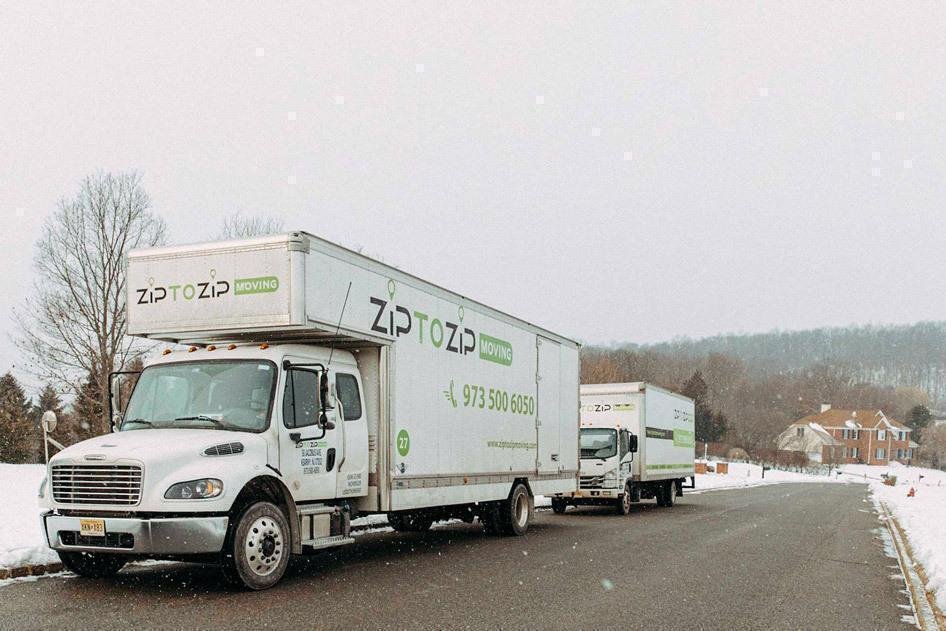
Zip To Zip Moving Company handled my last long-distance move. They service New Jersey, New York, Pennsylvania, Connecticut, and Boston. They specialize in cross-country moves, and during mine, it showed. They asked all the right questions to make sure we were on the same page, and their plan went smoothly despite needing to reroute to dodge a bad storm.
So by all means, use my method to find a great long-distance moving company, or save a lot of time and try Zip To Zip. Either way, enjoy your cross-country move and the new life chapter it represents!
Leave a Reply