
Choosing the right rug for your living area can transform your space, adding warmth, style, and comfort. However, finding a rug that perfectly fits the size and vibe of your room can sometimes feel overwhelming. From size and shape to color and material, many factors play a role in making the best choice. This guide will walk you through the key considerations for selecting the ideal rug to complement your living space and help you create a balanced, inviting environment.
Why the Right Rug Matters in Your Living Area
A rug is more than just a floor covering. It sets the tone for your living room, defining areas, anchoring furniture, and adding texture and personality. The right rug can make a small room feel cozy or a large room feel connected. On the other hand, a poorly chosen rug can throw off the balance, making the space feel cluttered or awkward.
When selecting a rug, the most important aspect to consider is size. The wrong size rug can visually shrink your room or disrupt the natural flow of the furniture layout. Other elements like style, color, and material come next, but size is the foundation of the perfect fit.
Step 1: Measure Your Living Area Precisely
Before you even browse rugs, measure your living room carefully. Start by noting the overall dimensions of the room, then focus on the furniture layout where the rug will be placed. A common rug size for living areas is 6×9 feet, but this depends heavily on your room’s size and how you plan to arrange your furniture.
For instance, a rug that’s too small may look like a decorative afterthought, sitting awkwardly in the middle of the floor. Conversely, a rug that’s too large may overwhelm the room and hide beautiful flooring or make the space feel cramped.
It’s helpful to mark the rug’s potential placement on your floor with painter’s tape or newspapers cut to size, giving you a visual before committing to a purchase.
Step 2: Decide on the Rug Placement and Furniture Layout
Think about how your living room is set up and how you want the rug to interact with your furniture. There are three common rug placement styles in living rooms:
-
All Furniture On: The rug is large enough that all the main pieces of furniture (sofa, chairs, coffee table) rest entirely on the rug. This works well in bigger rooms and creates a unified, cozy feel.
-
Front Legs On: The rug is sized so that the front legs of sofas and chairs sit on it, while the back legs remain off. This is a popular choice for medium-sized rooms, balancing openness and cohesion.
-
Coffee Table Only: The rug sits under the coffee table only, which can work well in smaller rooms but may look disconnected if not sized properly.
Understanding these layouts will help you narrow down your rug size options. For example, if you want all furniture on the rug, you’ll likely need a larger size, possibly larger than 6×9 feet, depending on your furniture arrangement.
Step 3: Explore Rug Sizes and Shapes
Rugs come in various sizes and shapes, each suited to different living areas and styles:
-
Rectangular Rugs: The most common and versatile shape, ideal for most living rooms. A 6×9 rug is a popular rectangular size, offering a balanced look for many medium to large living rooms. If you’re searching for 6×9 rugs online, you’ll find many designs that fit this classic size perfectly.
-
Square Rugs: Great for square-shaped rooms or to highlight a specific area, such as a seating nook.
-
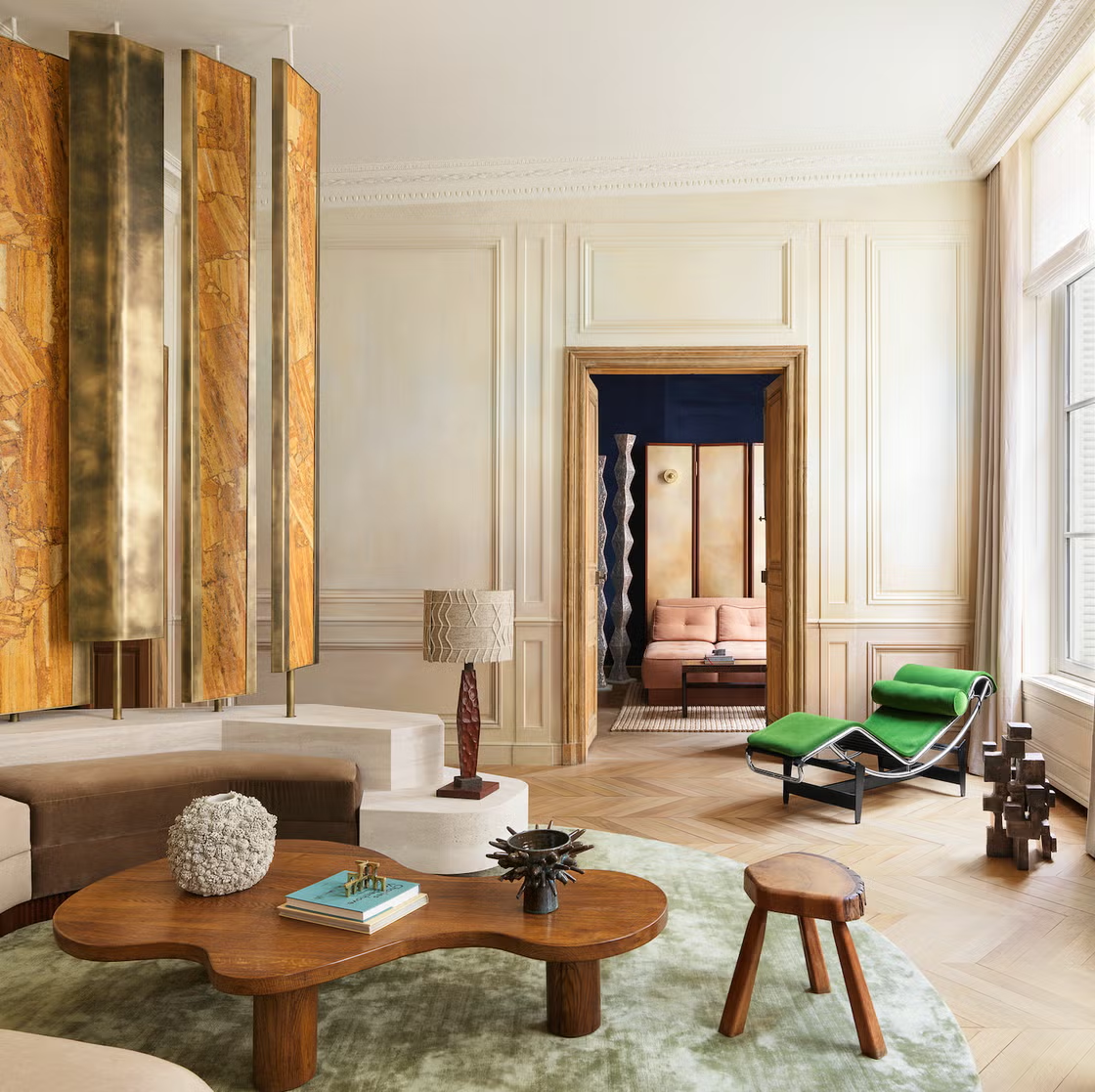
Round Rugs: These can soften the edges of a room and add visual interest, especially under round tables or in seating clusters. They’re perfect if you want a unique look that contrasts with the typical rectangular furniture.
-
Runner Rugs: Narrow and long, runners aren’t usually for living rooms but work well in hallways or entryways.
While rectangular rugs dominate living rooms, don’t be afraid to experiment with round rugs if your furniture layout and room shape allow it. Mixing shapes can add a creative edge to your décor.
Step 4: Choose the Right Material and Texture
Material impacts both the look and feel of your rug, as well as its durability and maintenance:
-
Wool: Durable, soft, and naturally stain-resistant, wool rugs are ideal for high-traffic living rooms. They offer warmth and a luxurious texture.
-
Synthetic Fibers: Materials like nylon or polypropylene are budget-friendly and easy to clean, good for homes with kids or pets.
-
Cotton: Lightweight and easy to wash but less durable for heavy foot traffic.
-
Natural Fibers: Jute, sisal, and seagrass rugs add texture and an organic vibe but may not be as soft underfoot.
Think about who uses your living room and what kind of foot traffic it gets. If you entertain often or have pets, a durable, easy-to-clean rug is best.
Step 5: Pick Colors and Patterns That Enhance Your Decor
The rug should complement your room’s existing color scheme and style. If your living room has neutral walls and furniture, a colorful or patterned rug can become the focal point, adding energy and personality.
Conversely, if your space already has bold colors or patterns, choose a rug with subtle hues or simple designs to balance the room. Keep in mind lighting, darker rugs can make a large room feel cozier, while lighter rugs brighten darker spaces.
Patterns also influence the mood. Traditional oriental or Persian designs bring elegance and history, while modern geometric patterns offer a contemporary vibe. Solid colors provide simplicity and versatility.
Step 6: Consider Rug Maintenance and Longevity
Think about the practical side of your rug purchase. High-pile rugs look lush but are harder to clean, while low-pile rugs are easier to maintain and ideal for active households. Consider whether your rug will be placed near a fireplace, window, or entry door, where exposure to dirt and sun might affect its condition.
Rugs with darker colors or patterns are better at hiding stains and wear. Remember that some materials and colors will fade faster in direct sunlight.
Step 7: Shop Thoughtfully and Take Your Time
Now that you have a clear picture of what you need, it’s time to shop. If you’re searching for 6×9 rugs online, be sure to check reputable retailers with good customer reviews, clear return policies, and detailed product descriptions.
Ordering samples or smaller rugs first can help you test colors and textures in your space before committing to a larger rug. Don’t rush the decision; selecting the perfect rug can take time but will be worth it when you see the final result.
Final Thoughts: Make Your Living Area Truly Yours
Selecting the perfect rug for your living area combines both function and style. By carefully measuring your space, considering your furniture layout, exploring different sizes, materials, and colors, and understanding the practicalities of maintenance, you can find a rug that ties your room together beautifully.
Whether you want a bold centerpiece or a subtle foundation for your décor, the right rug will enhance your living area and make it feel complete. Remember, rugs are an investment in comfort and style that will shape how you experience your home every day. Take your time, explore your options, and soon you’ll enjoy the cozy and inviting living space you deserve.
Leave a Reply