A tree can be a wonderful sight in your garden, a sign of growth, life, and strength, not to mention all of the practical benefits it can bring. It can offer shade, privacy, and a sense of calm to your garden in a way only the natural world can. As such, when a tree starts getting sick, decaying, and even dying, it can be a very sad event indeed. But you could potentially help it if you’re able to spot the signs of sickness early enough. Here, we’re going to look at the signs you should keep an eye out for, and what you can do if you think your tree is sick.
Fungal Growth Around The Base
When you’re busy tidying up the garden, cleaning up leaves and debris, keep an eye out for any fungal growth around the base, roots, or along the trunk of the tree. If you see mushrooms, conks, or shelf-life fungi, it could be a sign of internal decay, as fungi feed on dead organic matter, such as rotting wood under the surface of the tree. This fungal growth can also lead to ongoing weakening of the structural integrity, which can eventually lead to limb failure or collapse.
Leaf Health Signs
A healthy tree should produce vibrant full foliage during the growing season, which turns yellow during fall and falls from the branches. Any disruption to that cycle should be noted. For instance, if your leaves appear yellow, brown, spotted, or even wilted, even in the middle of spring, it can be a sign of stress or disease. Similarly, if you experience leaf drop outside of the usual seasonal changes, that should be a sign that something is wrong as well. This can be from nutrient deficiencies, root damage, fungal infestation, pests, drought, or overwatering, but whatever the case is, you need to get to the bottom of it and correct the cause as best as possible. Pay attention to the area affected by it, as well. Discoloration isolated to certain branches might indicate a localized issue, which, if it’s across the whole canopy, is a more systemic issue.
Bark Issues
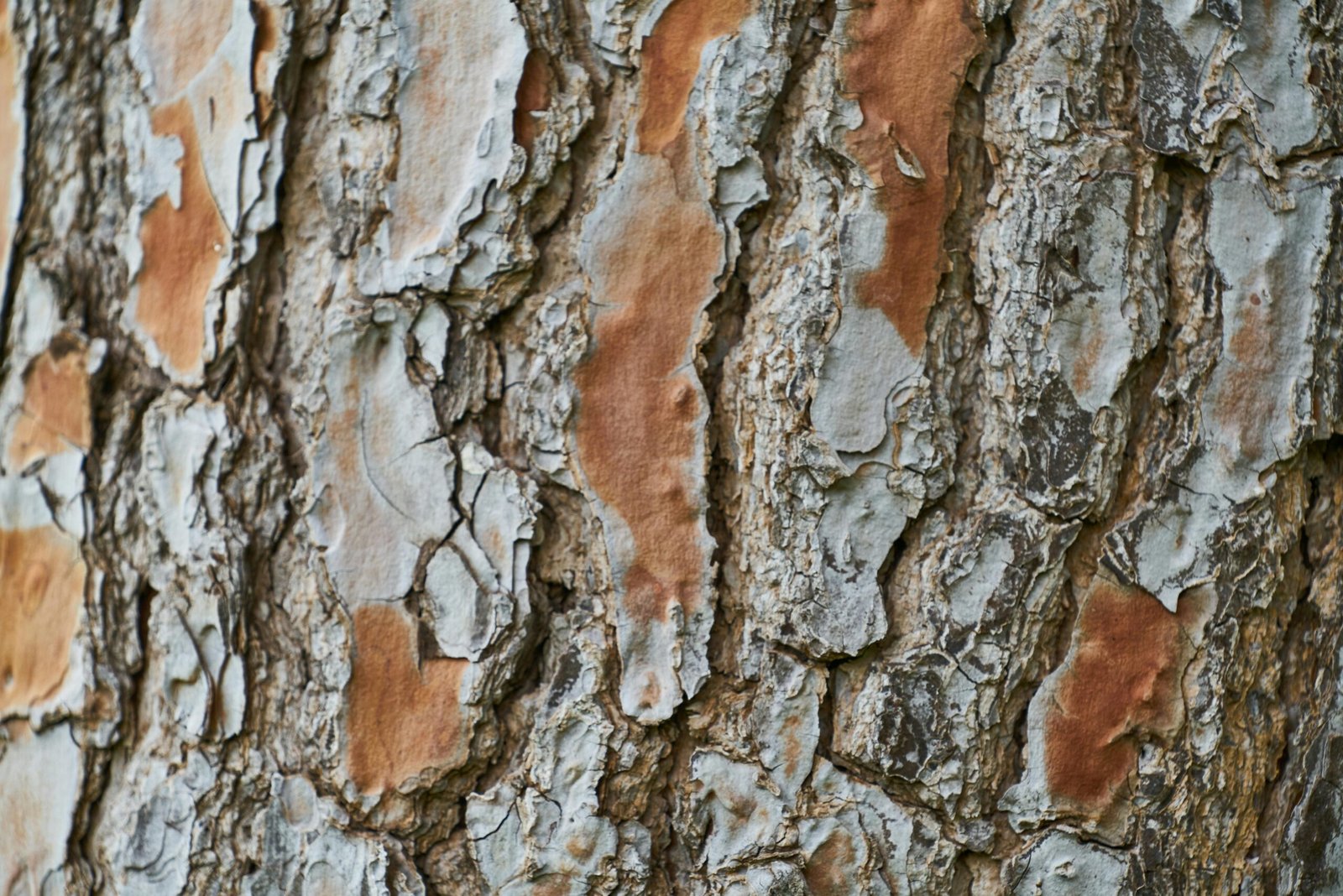
As it’s the structural backbone, not to mention the main network for nutrients throughout the tree, any issues affecting the trunk and bark should be taken very seriously. This can include cracked, peeling, or missing bark, as well as deep splits, oozing sap, or little holes, which can indicate a pest problem, which can often do more damage than you might imagine. Anything that compromises the security of the bark can leave it open to more damage, which can get structural, leading to a greater chance of complete collapse, so these signs should show the need for a professional evaluation ASAP.
The Scratch Test
If you’re not certain about the health of a tree or part of a tree, then the scratch test is a time-honored check that could help you out. What you have to do is scrape a small section of bark, eithier your finger or a pocketknife. If the layer beneath is green and moist, then it’s likely alive and healthy. If it appears brown, dry, and brittle, then that portion of the tree may be dead. Note that this is supposed to be for the branches, specifically, rather than the main trunk. One dead branch may not be an emergency, but if it’s affecting branches all over, then it’s likely a sign of a more systemic problem affecting the whole of the tree.
Dead Or Dying Branches
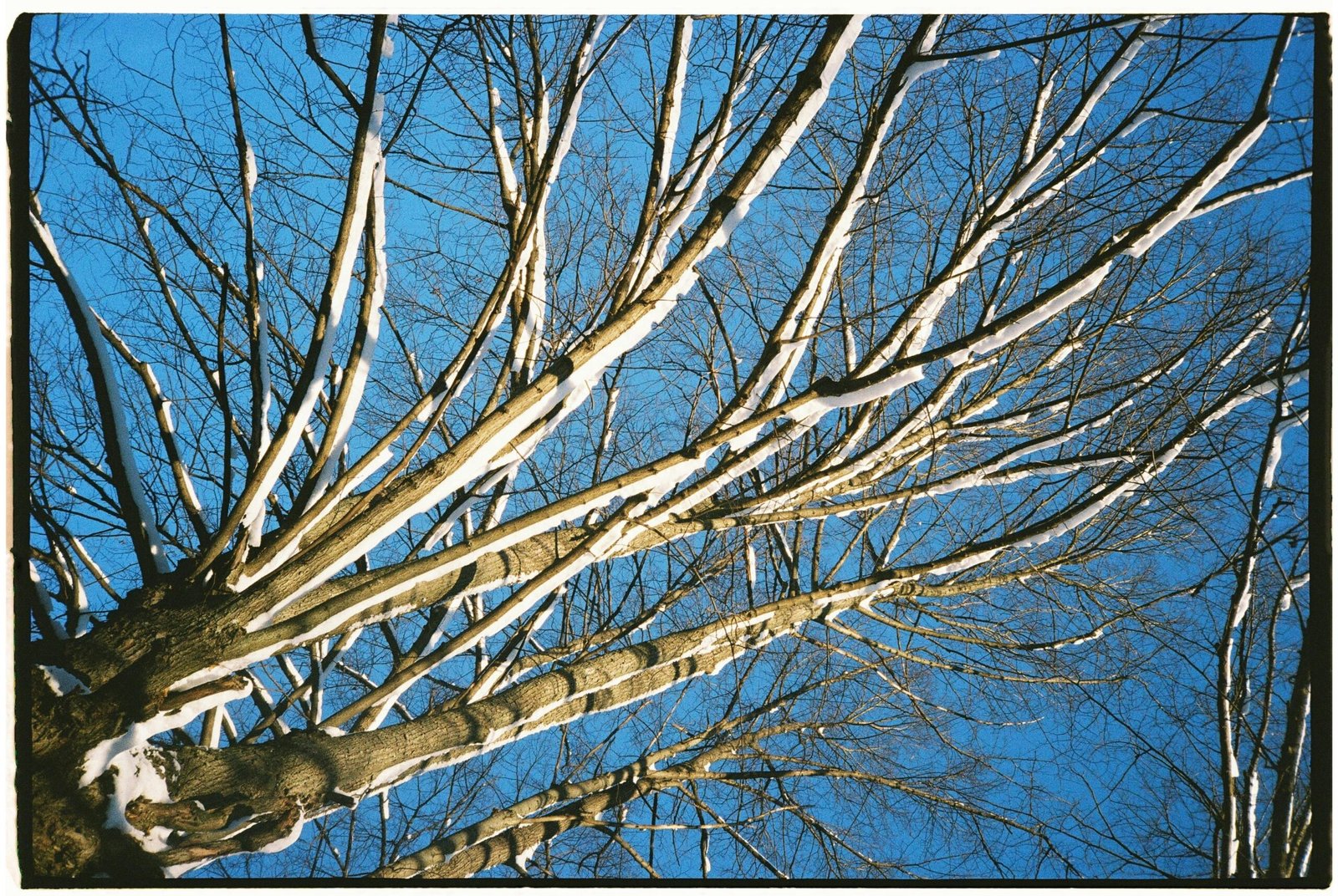
If you do, indeed, have large sections of dead or dying wood in the canopy, then the stress and disease might reach deeper than those limbs themselves. They can be a risk to you and your property, due to brittle limbs that can snap easily, potentially becoming projectiles during storms and high winds. Dieback typically starts at the outer edges and progresses inwards, whether it’s due to insects, drought, fungal infestations, or otherwise. Pruning those branches of dead material could help them grow back healthier, but if the problem is widespread, then it’s important to identify the root cause, as the dieback may not stop even if you do prune as best as you can.
How An Arborist Can Help
There’s only so much you might be equipped to do yourself. Diagnosing tree illness isn’t always easy, as many symptoms, like leaf discoloration and dieback, can come from many different root causes. With the help of local arborist tree health evaluations, you can evaluate the conditions of the soil, inspect the root systems, identify any pests or pathogens, and determine what kind of issues are affecting your tree, be it a disease or environmental pressures. From there, they can recommend targeted treatments, whether it’s fertilization, soil amendments, pruning, pest control, or steps like cabling and bracing to improve the structural integrity of the tree after it has been compromised. The right professional help can help you improve the chances of recovery for your tree and reduce the likelihood that it has to be removed.
What To Do If It’s Severely Sick
If a tree is badly diseased, hollow, structurally unstable, or rapidly declining, and the arborist isn’t able to nurse it back to health, or it might prove too expensive and complex to treat, then removal might be your best option. This is especially true if the tree’s failing health and eventual collapse may prove a risk to the home or other nearby structures. Once you’ve confirmed the diagnosis with a professional, you might want to look into killing the tree and removing it. It is possible to do this yourself, but for safe removal and to ensure you don’t leave any diseased tree matter behind, working with the professionals is your best bet.
A good tree can help you create a much more welcoming space out of your garden, but a sick tree can undermine the feeling of peace and calm that it’s supposed to give. Ensure you’re acting on those signs of sickness early for the best chance of a good outcome.
Leave a Reply