
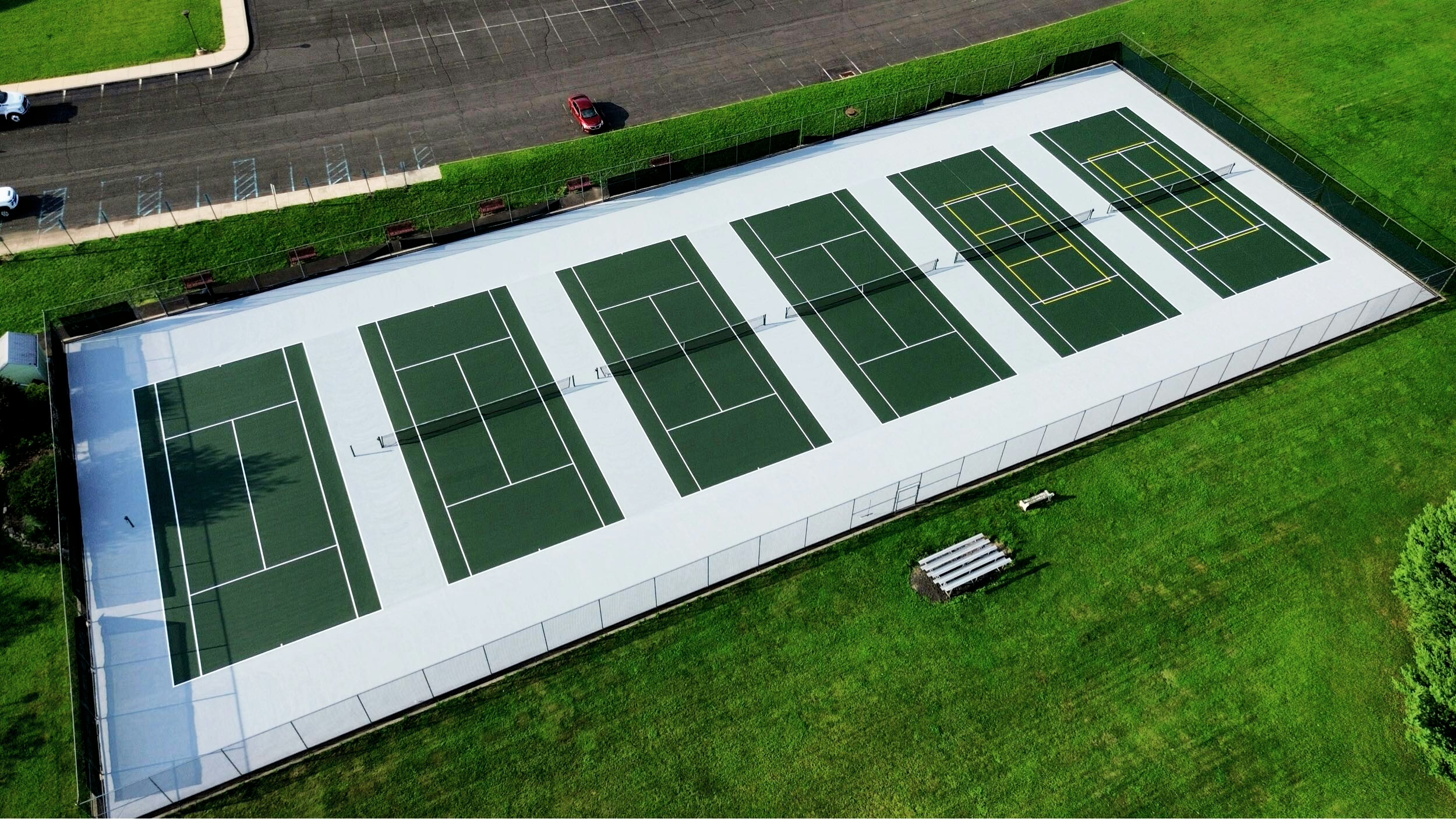
Are you a tennis lover who dreams of having a court right at home? For many enthusiasts, building a private tennis court can feel like the ultimate convenience—offering a place to practice, stay active, and enjoy matches anytime.
However, constructing a tennis court requires careful planning, investment, and sufficient space. A standard court measures about 78 feet long and 27 feet wide for singles play, with additional room needed around it for safe movement. Because of these requirements, homeowners should carefully consider the costs, available land, and long-term value before building one.
Let’s explore whether a private tennis court at home is truly worth the investment.
1. Convenience of Playing Anytime
One of the biggest advantages of having a tennis court at home is the convenience it offers. Public courts often require reservations, and private clubs may have waiting lists or membership fees. With a private court, homeowners can play whenever they want without worrying about scheduling conflicts.
This convenience is especially valuable for families with multiple players or individuals who train regularly. Practicing serves, rallies, or fitness drills becomes much easier when the court is just steps away from your home.
Additionally, homeowners can schedule matches or training sessions at any time of day. If lighting is installed, evening games are also possible, making the court a flexible recreational space.
2. Customization and Court Design Options
One of the advantages of building a private court is the ability to customize it according to personal preferences. Homeowners can choose different playing surfaces, colors, lighting systems, and landscaping designs that complement their property and playing style.
So if you’re considering tennis court installation, it is important to evaluate how the design and construction process will be managed from start to finish. Companies such as Keystone Sports Construction emphasize a design-build approach that guides homeowners from the initial consultation through the final stages of construction.
Their teams typically include designers, architects, and construction professionals who coordinate site planning, layout design, and surface installation to create courts tailored to a homeowner’s goals, usage needs, and available space. This collaborative process helps ensure the final court functions well while fitting naturally within the property’s overall landscape and budget.
3. Long-Term Value for Tennis Enthusiasts
For frequent tennis players, a private court can become a long-term lifestyle investment. Instead of traveling to sports facilities or paying recurring court fees, players can enjoy unlimited access to their own space.
Regular play also encourages consistent physical activity. Tennis improves cardiovascular fitness, coordination, and overall health, making it a great sport for people of all ages.
Families with children who are learning the game may also benefit from easy access to a practice area. Having a court nearby can help young players develop their skills more consistently.
4. Potential Increase in Property Value
Luxury amenities can sometimes increase a property’s appeal, especially for buyers who enjoy sports or outdoor recreation. A well-designed tennis court can make a property stand out in competitive real estate markets.
However, the effect on property value often depends on the location and target buyer demographic. In neighborhoods where outdoor recreation is popular, a private court may be seen as a desirable feature.
That said, a tennis court may not always significantly increase resale value. Some buyers may prefer additional lawn space or alternative recreational features instead. For this reason, homeowners should view the court primarily as a lifestyle investment rather than solely a financial one.
5. Entertainment and Social Benefits
Beyond personal use, a private tennis court can become a social gathering space. Homeowners can host friendly matches, neighborhood tournaments, or family events centered around the sport.
For families with active lifestyles, the court can serve as a recreational hub where friends and relatives gather to enjoy outdoor activities. It can also encourage children and teenagers to spend more time exercising outdoors.
In this sense, a tennis court can enhance the overall lifestyle experience of a home by creating opportunities for both fitness and social interaction.
6. Privacy and Convenience
One of the biggest advantages of building a private tennis court at home is the level of convenience it offers. Public courts often require advance reservations, and during peak hours it can be difficult to find an available time slot. For people who enjoy playing regularly, this can interrupt practice routines and make it harder to stay consistent.
A private court eliminates these limitations. Homeowners can play whenever it suits their schedule—whether it’s an early morning practice session, an afternoon workout, or an evening match with friends. This flexibility is especially valuable for families with busy schedules or for players who want to train more frequently.
Conclusion
Building a private tennis court can be a rewarding investment for dedicated players and families who enjoy the sport regularly. The convenience, customization options, and lifestyle benefits can make the project worthwhile for those who plan to use the court frequently. When thoughtfully planned, a private tennis court can provide years of enjoyment and become a valuable recreational feature of the home.
Leave a Reply