
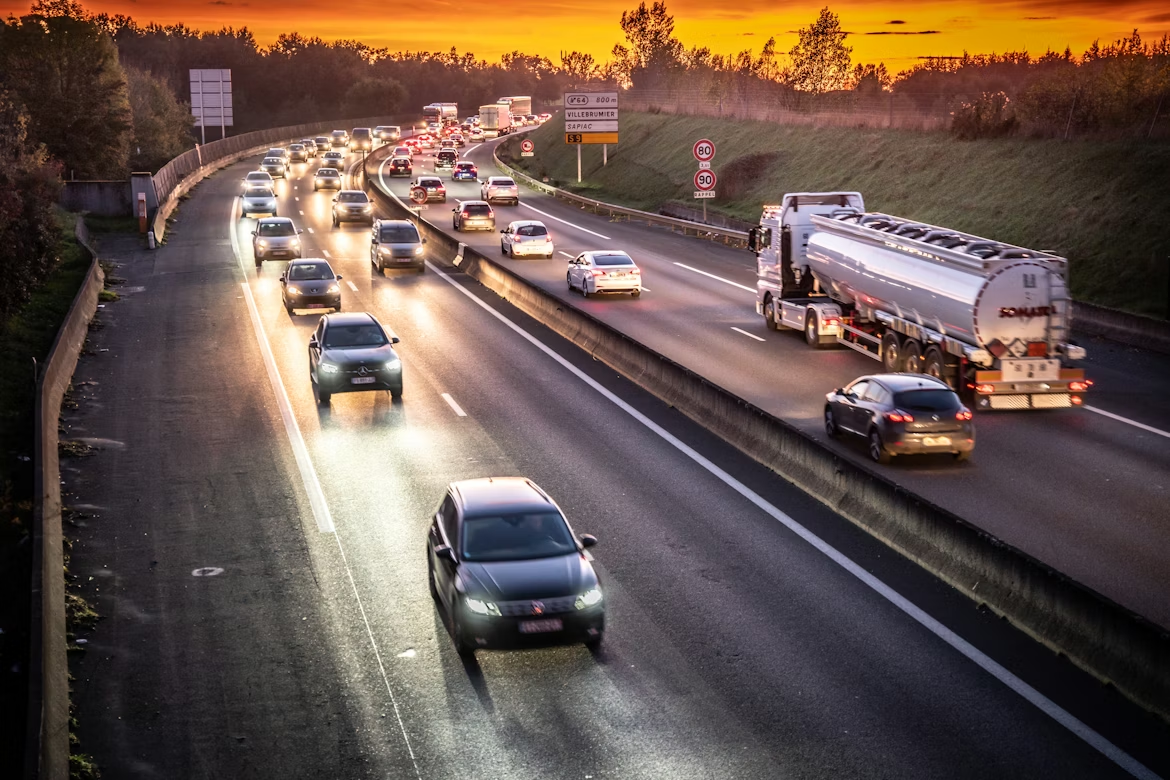
We don’t often think about it, but driving is one of the riskiest things that we do collectively. Over time, it exposes you to various dangers and can even lead to serious injuries in some cases. Fortunately, there are many things you can do to protect yourself on the road. These don’t eliminate the risk of an accident, but they do reduce it considerably.
Prepare your vehicle in advance
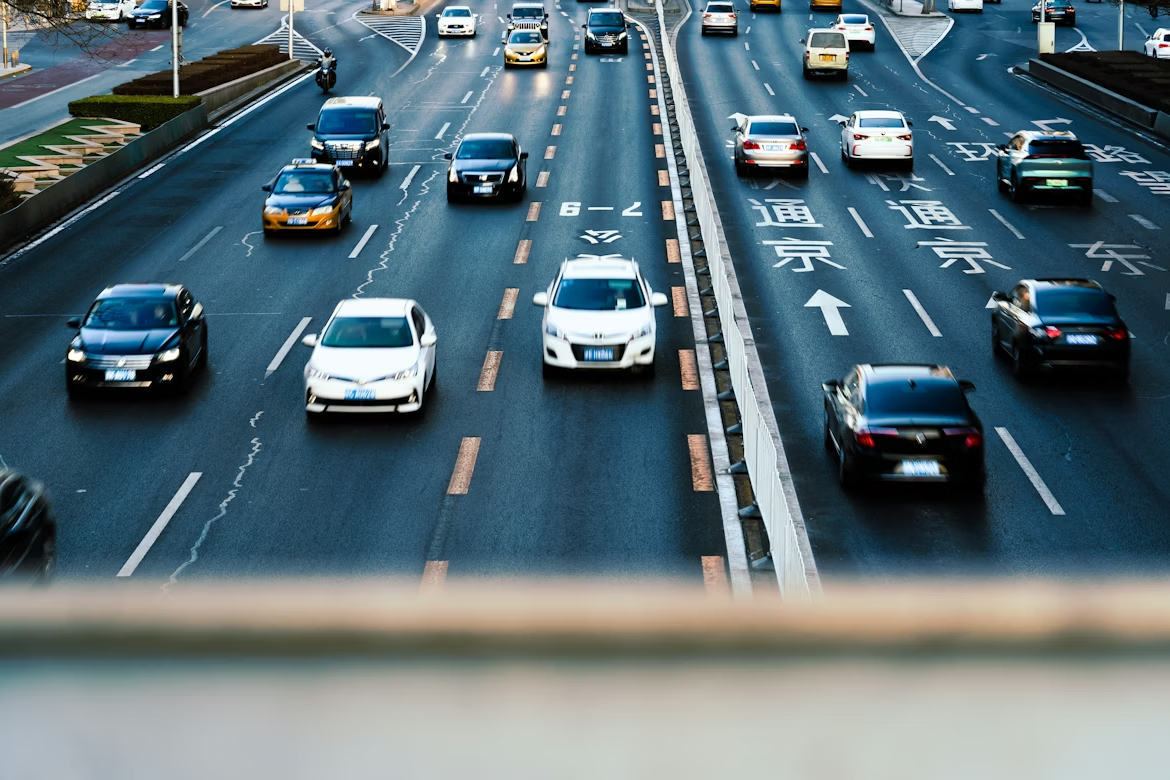
Before you go out driving, you’ll want to prepare your vehicle so that it’s as safe as possible for the road.
- Do some quick pre-trip tire checks and brake light checks.
- Check whether the wipers and fluids are all working properly.
- If you’re worried about getting stranded, it’s also useful to have jumper cables, a flashlight, and basic tools with you.
- Don’t forget to take long-lasting food rations and plenty of emergency water that you can use if you get stuck by the side of the road and need to wait a while for a rescue to appear.
For many people, it’s the waiting that’s the most dangerous part, so prepare for this as well.
Buckle up and position yourself in the vehicle properly
You’ll also want to wear your seat restraint at all times while you’re in the car and make sure that you’re sitting in the right position. If you’re slouched or lounging around, the head restraint at the back of your seat won’t work as it should in collisions. Your body may be twisted and contorted in strange directions that weren’t anticipated by the vehicle’s designers.
Avoid putting the shoulder part of the seat belt under your arm. Keep it over the chest, even if it feels a bit uncomfortable.
Drive defensively
If you go to any car accident lawyer, they’ll tell you to drive defensively. The reason for this is that it massively reduces the risk of accidents while also reducing your personal culpability. If you are always taking precautions and being as reasonable as you can on the road, then your liability is minimized.
One of the best ways to drive defensively is to always assume that other drivers are distracted and will act unpredictably. Don’t just assume that they will obey the rules just because you are. Also, obey speed limits and adjust your speed for conditions. If it’s, for example, snowing heavily or there’s ice on the road, you’ll want to slow down.
Minimize distractions where possible. Set your phone to “do not disturb” mode while you’re driving so that you are not going to be disturbed by calls and people bringing you up all the time.
Use situational awareness
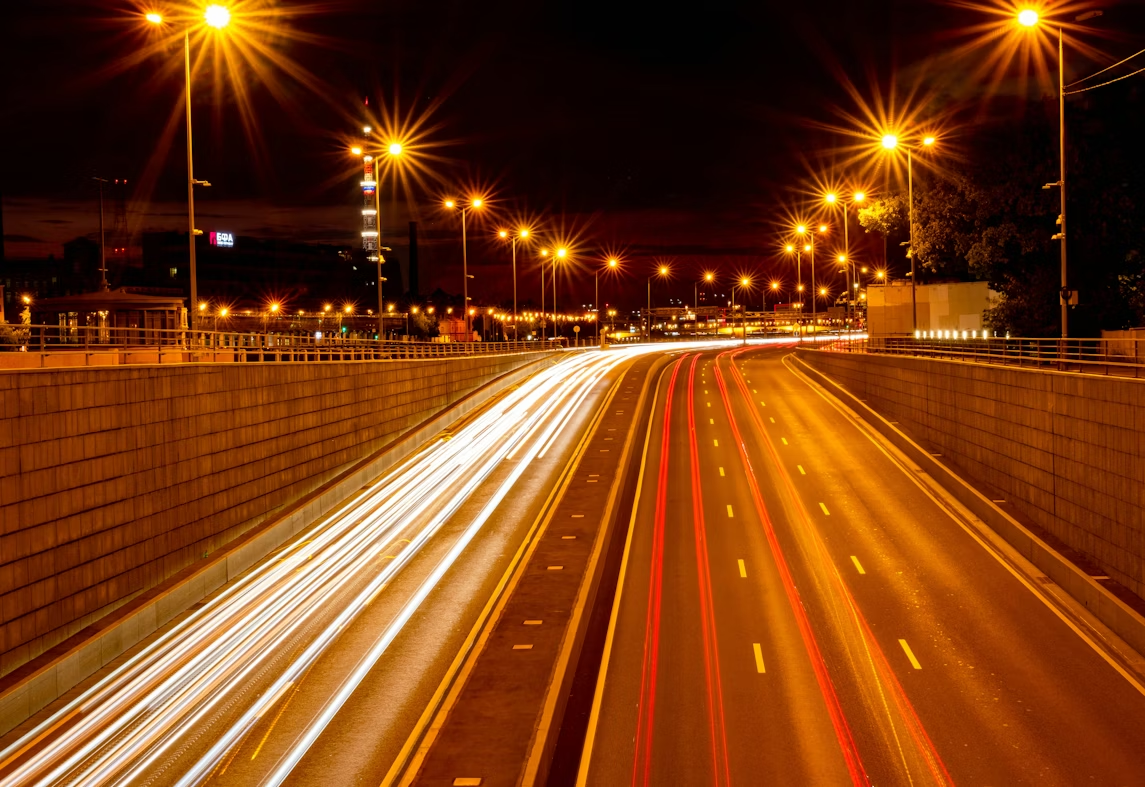
Lastly, it’s nice to use situational awareness techniques for safety. These are ideal if you want to protect yourself in high-traffic areas or places that are unfamiliar to you. If somebody rear-ends you or bumps into you in traffic, don’t immediately pull over onto the hard shoulder, signal, and then drive to a well-lit spot. Sometimes bumping you gently can just be a way to get you out of your car so that somebody else can get into it. Also, don’t drive home alone late at night if you can help it. Travel in the mornings or during daylight hours, or with somebody else.
Leave a Reply