
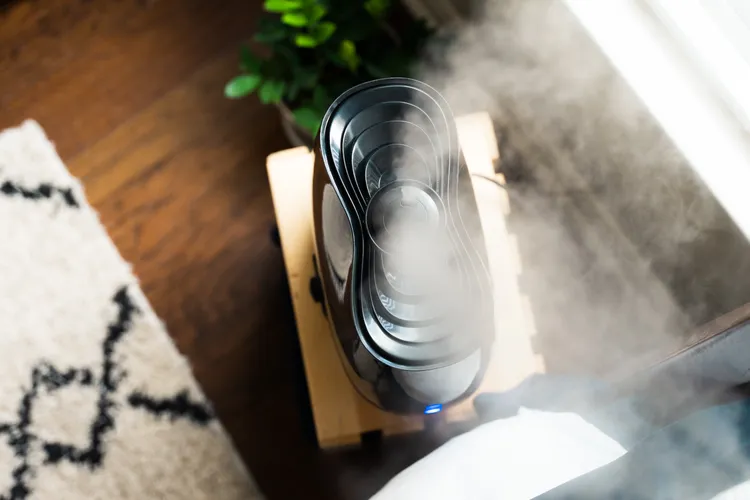
Winter is creeping in, and suddenly your home feels a little… dry. You notice static shocks when touching the doorknob, your skin feels tight, and even the air seems to have a chill that goes beyond the thermometer. You might notice houseplants drooping or wooden furniture seeming a bit more brittle. All these small signs add up to one thing: your humidifier might need attention before the cold really sets in. Ignoring it now can make the dry air worse, even if your furnace is working overtime.
It’s easy to overlook a humidifier. Out of sight, out of mind, right? But when it’s not working properly, it affects more than just comfort. Low humidity can trigger cracked lips, irritated sinuses, and even damage to your home over time. That’s why taking a closer look at your system before winter peaks is smart. Whether it’s a central system or a standalone unit, spotting the early warning signs saves headaches, protects your home, and keeps the air inside your house feeling fresh and comfortable all season long.
5 Signs It’s Time for A Humidifier Maintenance
1. Visible Mineral Buildup or Leaks
Have you ever lifted the cover of your whole house humidifier and noticed white, chalky deposits around the water tray or inside the ducts? That’s mineral buildup, and it’s common if you use hard water. While it may look harmless, it can actually restrict water flow, reduce humidity output, and even damage the unit over time.
This is why experts often recommend whole house humidifier maintenance before the heavy winter months. According to Pharo Heating and Cooling, be sure to clean your whole house humidifier components contaminated with mineral deposits at the end of the heating season. You must remove dirt and grime and ensure there’s no water dripping from the whole house humidifier itself, and any of its components
Speaking of leaks, water pooling around your unit or dripping unexpectedly can indicate cracks or worn seals. Even a slow leak can create mold growth inside the system or your walls. Handling these issues early saves both your home and your unit from more serious problems.
2. Unusual Noises or Irregular Operation
A healthy humidifier hums quietly in the background. If yours is making clunking, hissing, or sputtering noises, it could be struggling with clogged components or mineral buildup. Sometimes, the fan or pump might be wearing out, causing inconsistent performance. You might even notice your unit turning on and off unexpectedly, or the airflow feels weaker than before.
These issues might seem minor, but they signal that maintenance is overdue. Regular attention ensures your humidifier keeps the air balanced and your heating system isn’t overworked. In cold climates, skipping these checks can leave rooms feeling uncomfortably dry, even if the furnace is running full blast.
3. Air Feels Dry Despite Running the Humidifier
If you notice that your air still feels dry even when your humidifier is on, it’s a sign the system isn’t working properly. Your sensors or controls may be misreading the humidity level, or the unit could be struggling to distribute moisture evenly.
Dry air can cause more than just itchy skin and chapped lips. Wood furniture can crack, paint can peel, and even your houseplants may start to wilt. Identifying this problem early prevents minor discomfort from turning into home damage.
4. Strange Smells or Mold Growth
A clean, well-maintained humidifier should not smell. If you detect a musty or chemical odor, it could indicate mold or bacterial buildup inside the system. This not only affects your comfort but can also trigger allergies or respiratory issues.
Inspecting your unit periodically, cleaning trays, and checking filters can help keep your home smelling fresh and safe. Even something as simple as a forgotten filter change can impact air quality.
5. Reduced Efficiency or Higher Energy Bills
A unit struggling with clogged parts or buildup will often work harder to maintain the same humidity level. You might notice your heating system running longer, or your energy bills creeping up. Paying attention to your humidifier’s efficiency goes beyond comfort. It will prevent you from draining your wallet on energy bills.
Replacing worn parts or scheduling a professional check can help your system perform as it should, making your home warmer and more comfortable without extra energy waste.
Tips to Keep Your Humidifier in Top Shape
Here are some simple steps you can take to avoid these issues:
- Clean the unit regularly: Remove water trays and wipe down surfaces to prevent mineral deposits.
- Check filters and pads: Replace them at least once a season, or sooner if they look worn.
- Inspect for leaks: A small drip now can turn into water damage later.
- Monitor humidity levels: Keep indoor humidity between 30% and 50% for comfort and safety.
- Schedule maintenance: A professional check in early fall ensures everything runs smoothly through winter.
Wrapping Up
Paying attention to these warning signs now can save you a lot of hassle later. A well-maintained humidifier keeps your home comfortable, your furniture and walls safe, and your indoor air healthy. It also helps prevent unexpected repairs or higher energy bills. Even small preventive steps, like cleaning or checking filters, make a noticeable difference. By taking care of your system now, even the coldest months become much easier to enjoy.
Leave a Reply