
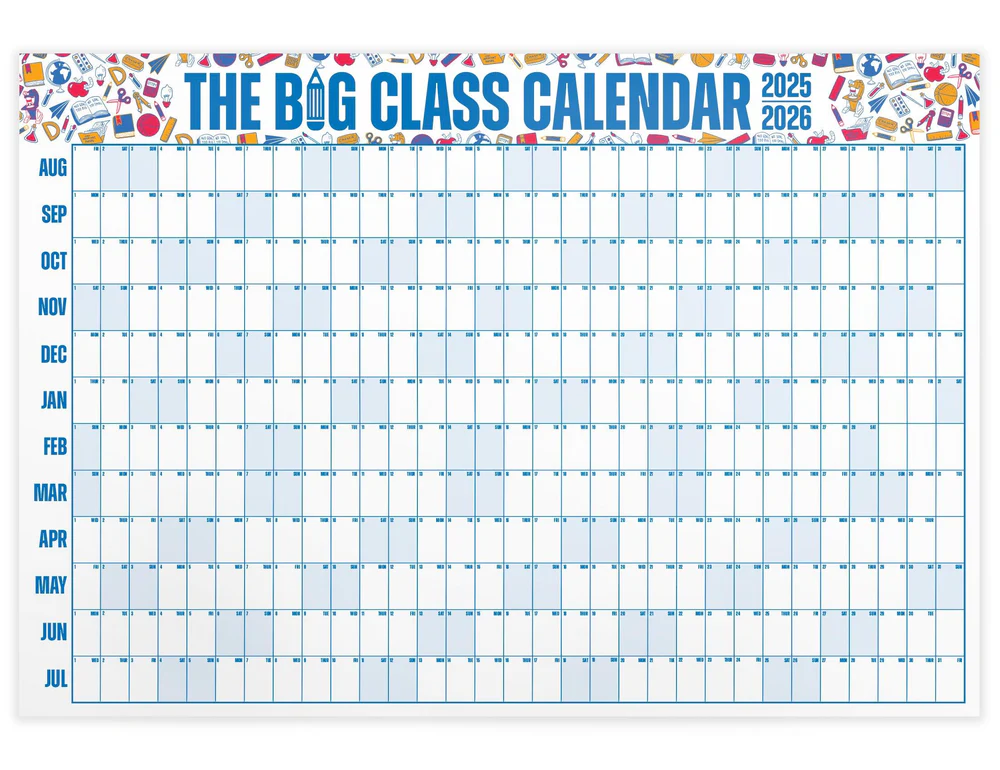
Whether the goal is managing a chaotic work schedule or simply making time for personal growth, most people find that digital alerts are rarely enough to maintain true focus. A physical 365-day calendar offers a tangible perspective that a smartphone screen cannot replicate. It transforms a scattered list of “to-dos” into a visual roadmap for the entire year.
A year-at-a-glance view acts as a constant environmental cue, keeping long-term objectives front and center. By moving away from reactive, minute-by-minute planning and toward a more intentional layout, it becomes easier to spot potential bottlenecks before they happen. It is about trading the stress of short-term deadlines for the clarity of a well-mapped journey.
Here are five ways integrating a 365-day calendar can bring order to a busy life.
1. Provides a Clear Overview of the Entire Year
One of the biggest advantages of using a full-year calendar is having all important dates visible in a single place. Instead of switching between separate monthly planners or digital tabs, a large layout allows users to quickly see how events and deadlines are spread across the year.
When all months are displayed together in a 365 day calendar format, planning becomes much easier. You can schedule vacations, track work projects, organize school activities, and manage family commitments without overlooking important dates. It also helps identify busy periods in advance so potential scheduling conflicts can be avoided.
Large wall calendars often provide enough writing space to add reminders, appointments, and key events. Oversized formats, such as those offered by The Big Ass Calendar, are designed to make yearly planning more visible and manageable, allowing users to keep track of deadlines, plans, and long-term goals at a glance.
2. Helps Prioritize Tasks and Deadlines
Another major benefit of using a full-year calendar is improved task prioritization. When deadlines and important dates are visible in one place, it becomes easier to determine which tasks require immediate attention and which ones can be planned for later.
For example, professionals managing multiple projects can use a yearly calendar to mark major milestones, submission deadlines, and key meetings. Students can track exam schedules and assignment due dates, while families may organize school activities, travel plans, and celebrations.
Seeing these commitments mapped out visually encourages better planning. Instead of scrambling to meet deadlines at the last minute, individuals can distribute tasks across manageable time periods.
3. Encourages Consistent Planning Habits
Organization often depends on developing consistent planning habits. Many people struggle with time management simply because they do not review their schedules regularly.
Using a large calendar that remains visible throughout the day encourages users to check their plans frequently. When the calendar is placed in a workspace, home office, or common area, it becomes a constant reminder of upcoming tasks and responsibilities.
This visibility helps reinforce the habit of reviewing schedules daily or weekly. Over time, individuals become more proactive in planning their days rather than reacting to unexpected commitments.
4. Supports Goal Setting and Progress Tracking
Beyond scheduling appointments, calendars can also be powerful tools for goal setting. When individuals set long-term goals—whether related to career development, fitness, education, or personal projects—a visual planning system can help track progress throughout the year.
For example, someone pursuing a professional certification may mark study milestones, exam preparation periods, and practice sessions on their calendar. Similarly, individuals working toward personal goals can schedule regular activities that support their progress.
Tracking these milestones on a yearly calendar creates a sense of accountability. Each completed task represents progress toward a larger objective, which can help maintain motivation. In addition, regularly reviewing the calendar allows individuals to assess whether they are staying on track with their goals or need to adjust their schedules.
5. Reduces Stress and Improves Productivity
When schedules are disorganized, people often feel overwhelmed by the number of tasks they need to complete. Uncertainty about deadlines and commitments can create unnecessary stress.
A clear visual planning system helps reduce this stress by organizing tasks in a structured way. When responsibilities are mapped out across the year, individuals gain a better understanding of their workload and available time.
This clarity allows people to break large projects into smaller, manageable tasks. Instead of worrying about everything at once, they can focus on completing one step at a time.
As a result, productivity improves because individuals spend less time remembering tasks and more time completing them.
Conclusion
Staying organized is essential to managing modern schedules filled with work, personal commitments, and long-term goals. While digital tools can be helpful, visual planning systems such as full-year calendars provide a simple and effective way to keep track of important events and responsibilities. By offering a clear overview of the year, a 365-day calendar can help individuals maintain better organization and productivity throughout the year.
Leave a Reply