
Whatever kind of jewellery you have, it’s really important to make sure that you are taking care of it as well as you can. That’s something that might be a lot easier than you think. Jewellery lives close to the skin. A ring dulls slightly where it meets your fingers, a chain softens at its most-worn links, a bracelet gathers tiny stories in its clasps. Caring for jewellery isn’t just about keeping it shiny; it’s about preserving the subtle relationship between object and wearer, so that what you have continues to feel like yours. The good news is that proper care doesn’t require anything elaborate. It’s mostly about attention, rhythm, and a bit of understanding of how different materials behave.
Understanding What You’re Wearing
The first step is knowing what your jewellery is made from. Gold, silver, platinum, gemstones, pearls, and costume materials all respond differently to time and environment. Gold is relatively low-maintenance, especially in higher purities, but it can still scratch. Silver, particularly sterling silver, is more reactive and prone to tarnishing when exposed to air and moisture. Platinum is durable but not immune to wear: it develops a soft patina that some people love and others prefer to polish away. Gemstones vary wildly: diamonds are hard, but emeralds are delicate; pearls are organic and need a gentler touch than almost anything else.
Daily Habits That Make a Difference
Most jewellery damage doesn’t come from dramatic events, but from small, repeated exposures. Lotions, perfumes, soaps, and even sweat can build up over time, dulling surfaces and weakening settings. A simple rule helps: jewellery should be the last thing you put on and the first thing you take off. That keeps it away from cosmetics and cleaning products, both of which can leave residues or cause long-term damage. It’s also worth removing pieces before certain activities. Exercise, swimming, gardening, and housework all introduce risks: impact, chemicals, or just prolonged exposure to moisture. Chlorine, in particular, is notoriously harsh on metals.
Paying Attention to Clasps and Connections
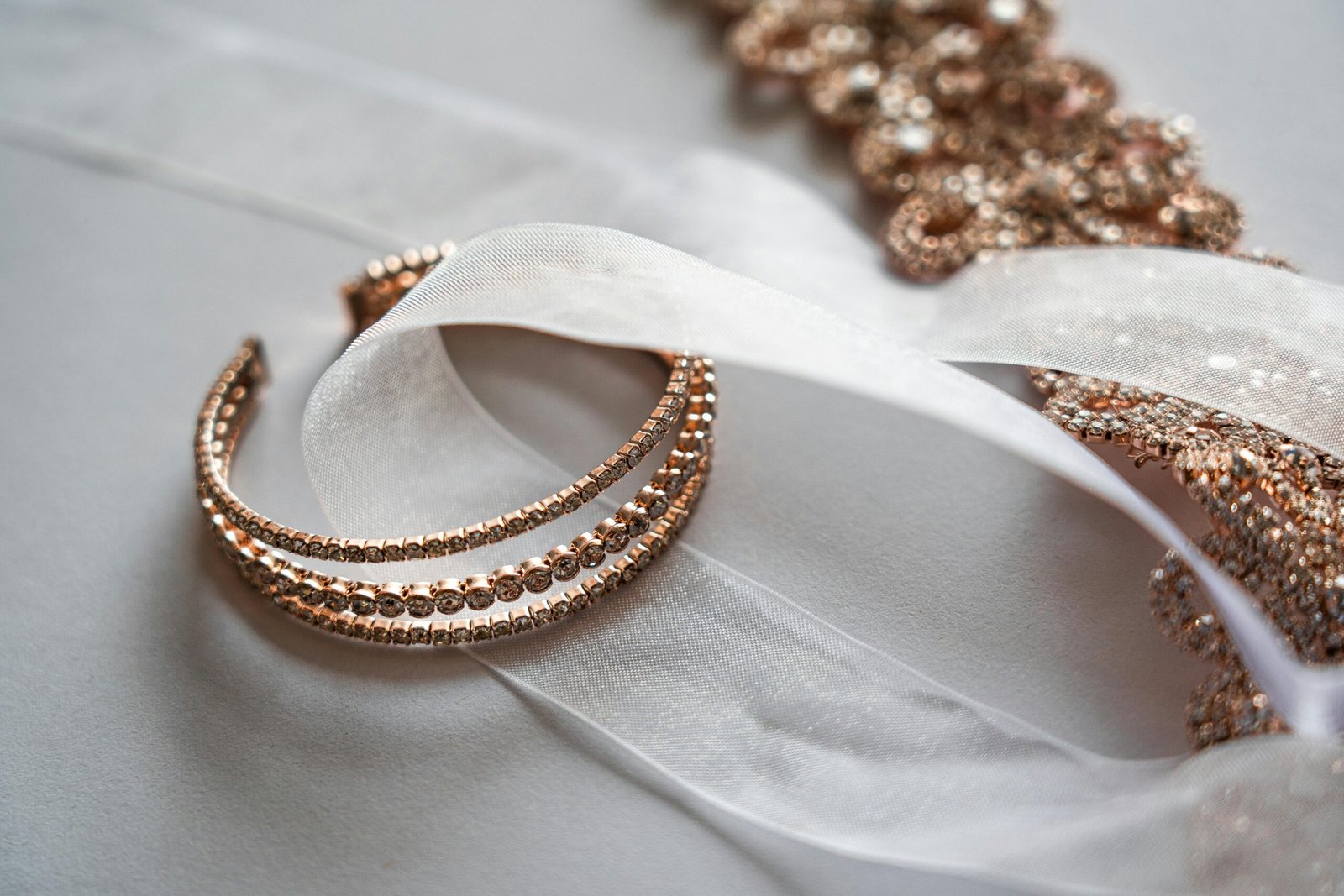
Often, the weakest part of a piece isn’t the metal or the stone: it’s the clasp. A necklace or bracelet is only as secure as the mechanism holding it closed. This is where small additions can make a significant difference. For example, using a sterling silver bracelet safety chain is a practical way to protect a bracelet from accidental loss. It acts as a secondary connection, so if the main clasp fails or slips open, the bracelet remains attached rather than falling unnoticed. It’s a simple feature, but one that offers real peace of mind, especially for pieces that carry sentimental or financial value.
Professional Care and When to Seek It
Even with the best at-home care, some things are better handled by a professional. If a stone feels loose, a clasp isn’t closing properly, or a piece has developed significant wear, it’s worth taking it to a jeweller. Routine inspections can catch issues that aren’t obvious at a glance: worn prongs, thinning bands, or structural weaknesses.
Leave a Reply