
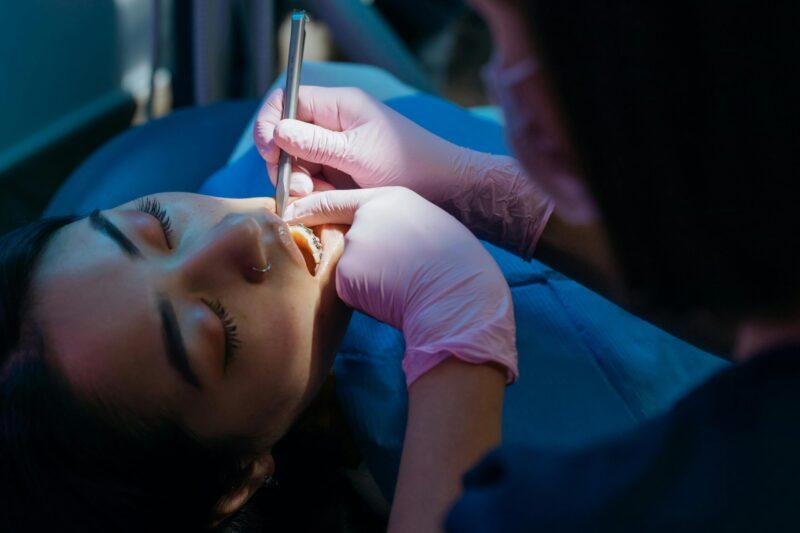
When it comes to women’s health, topics like nutrition, exercise, reproductive care, and mental wellness often take center stage. But one area that is frequently overlooked is oral health. The condition of your teeth and gums doesn’t just affect your smile. It connects to your overall health, influencing everything from heart health to bone strength and even pregnancy outcomes.
In communities such as St. Charles, IL, women have access to professionals who understand that oral care is not just cosmetic. It’s a key part of long-term well-being. At different stages of life, women face unique oral health challenges, and addressing them early can make a big difference. By making oral health part of your regular wellness routine, you’re not just protecting your smile; you’re taking steps that support your confidence, health, and quality of life.
Why Orthodontic Care Matters in Women’s Health
Oral health plays a much larger role in overall wellness than many people realize. Misaligned teeth, jaw issues, or bite problems can create more than cosmetic concerns; they can also lead to gum disease, tooth decay, headaches, and even digestive issues caused by poor chewing. If you’re looking for an orthodontist St. Charles, IL, is home to specialists who focus on alignment, overall oral health, and lasting confidence.
Beyond the physical benefits, orthodontic care also influences self-esteem. Smiling comfortably can boost your confidence in both personal and professional settings. For many women, feeling good about their smile is linked to improved mental wellness and social interactions. By addressing alignment and bite issues, orthodontic care becomes a powerful way to support not just dental health but overall quality of life.
Oral Health Across Different Life Stages
Women face unique oral health challenges at various points in life. Hormonal changes during puberty, pregnancy, and menopause can affect the gums and teeth in different ways. During pregnancy, for example, gum disease has been linked to complications such as preterm birth and low birth weight. At menopause, shifts in hormone levels and bone density can increase the risk of gum problems and tooth loss.
Being aware of these connections allows women to take proactive steps. Regular dental checkups, orthodontic evaluations, and preventive care can help reduce risks and support overall health throughout every stage of life.
The Connection Between Oral Health and Chronic Conditions
Research continues to show the strong link between oral health and chronic conditions. Gum disease, in particular, is tied to heart disease, diabetes, and osteoporosis, conditions that often impact women significantly. Inflammation in the gums doesn’t stay confined to the mouth; it can contribute to inflammation throughout the body.
This makes routine dental care an important part of managing long-term health risks. By maintaining good oral hygiene and seeking professional care regularly, women can reduce their chances of developing serious conditions that affect their overall well-being.
Mental Health, Confidence, and Oral Care
Your smile doesn’t just affect how you look. It impacts how you feel. Poor oral health can make people self-conscious, leading to less social interaction or even anxiety. On the other hand, when you feel confident about your teeth, you’re more likely to smile, engage with others, and carry yourself with assurance.
Orthodontic and dental treatments play a big role here. Straight, healthy teeth and a comfortable bite can transform the way you see yourself and how you present yourself in daily life. This improved confidence has ripple effects, from stronger relationships to greater opportunities in professional environments.
Preventive Practices That Make a Difference
The good news is that many oral health problems are preventable with small, consistent habits. Making time to brush twice a day, floss once daily, and maintain a balanced diet are straightforward habits that help keep your teeth and gums healthy. Limiting sugary drinks and snacks also reduces the risk of cavities and gum issues.
Equally important are regular dental visits. Cleanings and exams catch issues early, making treatment easier and less costly. Preventive care is always more effective than trying to fix problems after they become serious. By investing in these practices now, you save yourself discomfort, time, and expense later.
Including oral health in your self-care routine isn’t about vanity. It’s about protecting your body, boosting your confidence, and supporting your long-term well-being. When you give your smile the attention it deserves, you’re making a valuable investment in your overall health.
Oral health may not always be the first thing that comes to mind when you think about women’s wellness, but its impact is undeniable. From preventing chronic conditions to supporting confidence and mental health, the health of your teeth and gums plays a central role in how you feel every day.
With the help of orthodontic care, preventive practices, and awareness of unique challenges at different life stages, women can take charge of their oral health as part of a complete wellness plan. Remember, caring for your smile isn’t just about appearances. It’s about building a healthier, more confident future.
Leave a Reply