
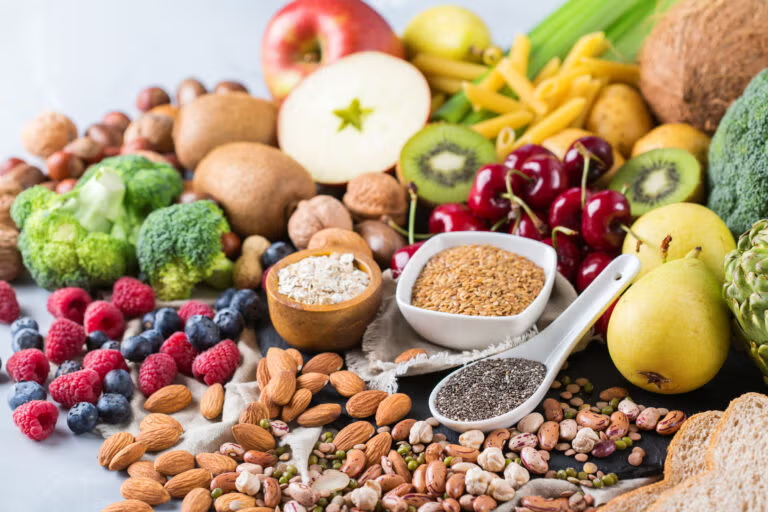
Fiber seems simple, yet it is often misunderstood. Many people believe that adding more fiber automatically improves digestion, but issues like bloating, irregular bowel movements, and discomfort remain common even among those who eat carefully. The problem is not only the amount of fiber, but the way it is consumed. Global nutrition data show that most adults do not meet daily fiber recommendations, while others increase intake too quickly without giving the body time to adjust. As a result, the benefits are often missed. When used correctly, fiber supports smoother digestion, strengthens the gut microbiome, and helps maintain steady energy levels throughout the day.
Knowing how to include fiber the right way can turn it from a basic dietary component into a reliable support for gut health.
1. Understand the Two Types of Fiber and Why Both Matter
Fiber is not a single nutrient. It exists in two main forms, and each plays a distinct role in digestion.
Soluble fiber dissolves in water and forms a gel-like substance in the gut, supporting digestive health by slowing digestion, regulating blood sugar levels, and nourishing beneficial gut bacteria. Insoluble fiber adds bulk to stool and supports the movement of food through the digestive tract, helping prevent constipation.
In broader discussions around digestive health, fiber-rich foods are often included in daily diets for their role in supporting regularity, a point also reflected in Sunsweet’s article “Maintain a Healthy Digestive Tract and Feel Fabulous.”
Including a mix of both types in daily meals supports balanced and efficient digestion without overcomplicating food choices.
2. Increase Fiber Intake Gradually
One of the most common mistakes is increasing fiber intake too quickly. While it may seem like a healthy change, the digestive system needs time to adjust.
A sudden increase can lead to gas, bloating, and discomfort because gut bacteria begin fermenting the extra fiber. Instead of making drastic changes, small and steady additions work better. Adding one serving of vegetables or switching to whole grains allows the body to adapt comfortably over time.
3. Pair Fiber with Adequate Hydration
Fiber needs water to function properly. Without enough fluids, it can slow digestion rather than improve it.
Soluble fiber absorbs water to form a gel, while insoluble fiber depends on hydration to move smoothly through the digestive tract. Drinking water consistently throughout the day supports both processes and keeps digestion running efficiently.
4. Spread Fiber Intake Across the Day
Eating too much fiber in a single meal can overwhelm the digestive system. It is more effective to distribute intake evenly.
For example, starting the day with whole grains, including vegetables at lunch, and adding legumes or salads at dinner creates a steady flow. This approach supports regular digestion and helps maintain stable energy levels.
5. Choose Whole Foods Over Processed Fiber Sources
Fiber supplements and fortified foods may seem convenient, but they often lack the broader nutritional value of whole foods.
Whole foods provide more than just fiber. They also deliver vitamins, minerals, and plant compounds that support digestion. Fruits, vegetables, legumes, and whole grains work together to improve digestion in a more natural way.
Relying on real, minimally processed foods ensures better long-term benefits and supports overall dietary balance. It also helps your body absorb nutrients more efficiently while promoting consistent digestive function.
6. Pay Attention to Gut Signals
Digestive responses to fiber can vary. Some people tolerate high-fiber foods easily, while others may need to adjust their approach.
If discomfort occurs, simple changes can help:
- Reduce portion size temporarily
- Choose cooked vegetables over raw
- Soak or cook legumes properly before eating
Paying attention to these signals helps maintain consistency without unnecessary discomfort. It also allows you to build a fiber-rich diet that supports digestion without overwhelming your system.
7. Include Prebiotic-Rich Fiber for Gut Health
Prebiotic fibers are especially valuable because they feed beneficial gut bacteria. These bacteria play a key role in digestion, nutrient absorption, and immune support.
Foods rich in prebiotic fiber include garlic, onions, bananas, and asparagus. Regularly including these foods helps maintain a balanced gut environment and supports long-term digestive health.
8. Balance Fiber with Overall Diet Quality
Fiber works best when it is part of a balanced diet. Increasing fiber alone cannot offset the effects of highly processed foods or excess sugar.
Combining fiber-rich foods with lean proteins, healthy fats, and whole ingredients creates a more supportive environment for digestion. Consistent, balanced eating habits enhance the benefits of fiber and improve overall well-being.
Conclusion
Fiber is often treated as a simple addition to the diet, but its real value lies in how it is used. Eating fiber the right way supports smoother digestion, better gut health, and more stable energy levels.
By focusing on balance, gradual changes, proper hydration, and whole food sources, fiber becomes more than just a recommendation. It becomes a practical and effective approach to improving digestive health in a sustainable way.
Leave a Reply