
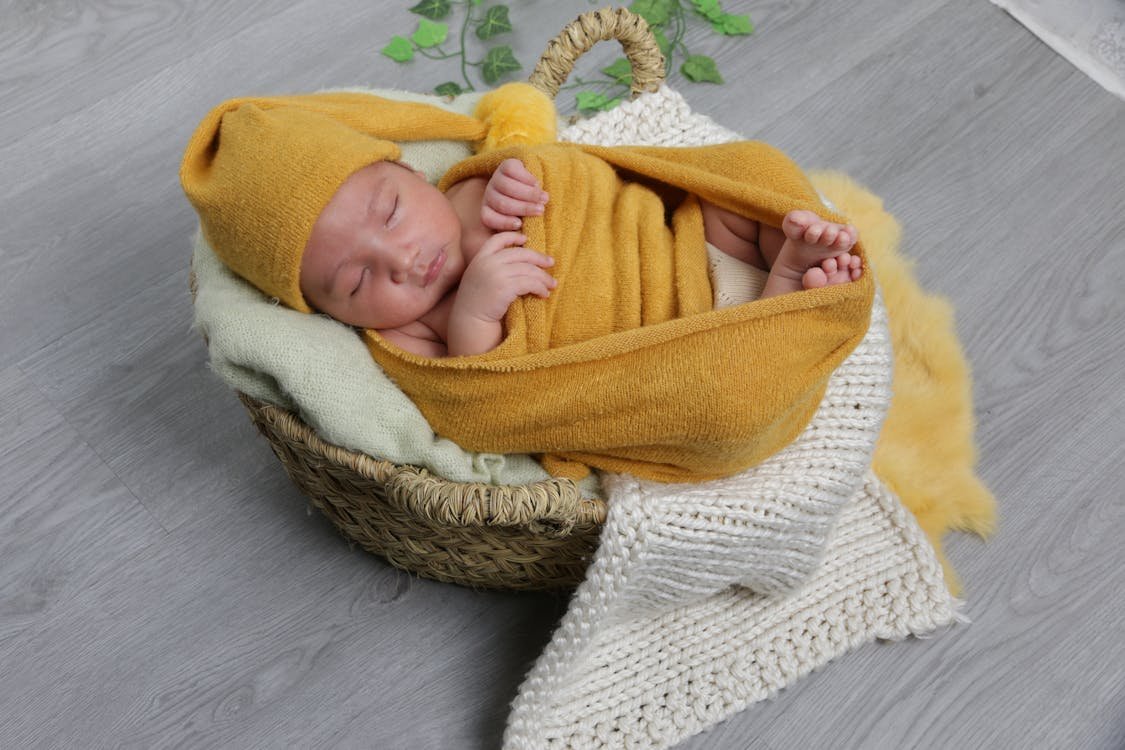
Newborn babies need a great deal of sleep. In fact, in the first weeks of life, they’ll sleep for around 17 hours per day in short bursts of around 2-4 hours around feeding times. And while it might not feel like they sleep this much when you’re in the trenches and feeding every few hours, newborn babies aren’t actually awake that often at first.
However, by the age of 6-8 weeks, this can all start changing, and babies might start sleeping in longer stretches. The onus here is on the “might” as, of course, all babies are different. Not all are great sleepers, not all sleep for longer periods, and not all will actually wake as often.
But in those first days, how can you make sleep easier? How do you create newborn sleep routines? Here are a few tips that might come in useful as you get used to life with a newborn baby.
Track Sleep
Tracking your baby’s sleeping patterns is a great way to find out where they are with sleep, when they prefer to sleep, and for how long. This can be really useful for plotting feeding sessions or remembering how long they’re going between feeds.
Take a few days and track on paper in a journal or via an app that can help you track your baby’s life and changes as they get used to the world.
Once you have a clearer picture showing trends (this is easier in a graph form for quick reference), you can note any unusual feeds or random longer gaps between feeds. You can, if you wish, note down any variables in your life that could have caused it. Was it noisier, lighter, darker? Did your baby fall asleep in a different room than usual? With all of this data, you can understand patterns which will be incredibly useful when decoding how long can a newborn sleep without eating, so you’re not getting worried when they sleep longer than they usually do.
Swaddle
Swaddling is the perfect comfort for most babies as a newborn. Swaddling calms them by applying gentle pressure to the torso, mimicking the womb environment.
It can reduce startle reflexes and even extend sleep durations, too, by preventing sudden waking.
When swaddling, it can take a few tries to get it right, and you need to use lightweight breathable fabrics, and you need to ensure that the hips and legs can move naturally, and not stuck in overly tight swaddles.
- Start by laying the blanket down on a flat surface in a diamond shape
- Fold the top corner down towards the centre of the diamond, so the top forms a straight line.
- Place the baby face up on the blanket with their neck along the top edge.
- Then gently hold down their left arm straight along their side. The blanket shouldn’t be on the face at this point; if it is, lower it.
- Next, take the blanket from the left corner and pull it across the left shoulder and across their body, tightly tuck it under their body on the opposite side.
- Then take the bottom right corner, lift it up and over the baby’s left legs and arms, and tuck the corner under the right shoulder.
That’s it. Not all babies need to be swaddled; not all of them like it, but it’s worth trying to see if it’s something that can help you get your baby to sleep.
Use White Noise
White noise has been popular with parents for babies for a while now. The reason is that white noise masks sudden household noises, i.e., using appliances or doorbells being rung, etc. And if you have a more consistent background environment, when a new baby is sleeping, the more it can help them settle more easily.
You can buy a physical white noise machine, or you can use an app for smartphones that plays white noise, and you leave your phone with your baby while they sleep, or keep it in the same room where they’re sleeping.
As they get older, you can pair the white noise with other cues, such as dimming lights, so you can reinforce sleep signals and the baby knows this pattern means it’s time to sleep, as they associate the sound and change in lighting with going to sleep.
Plus, white noises can also help reduce how long it takes to fall asleep again once they’ve been disturbed, as the familiar sounds can lull them back off with ease.
Use Bottles That Reduce Gas and Colic
If you’re not breastfeeding and are opting to bottle feed your baby, then choosing bottles that are designed to reduce air intake and help prevent gas and colic can be a lifesaver for sleeping. Discomfort from gas or colic can disturb babies’ sleeping routines and cause them to wake more and cry for longer periods as that gas sits in their stomach.
Anti-colic bottles are designed to help avoid this, and they can be a great tool used in conjunction with other efforts to help keep your baby calmer and more comfortable after feeding.
Other tips to try include switching to a smaller nipple size for newborns; you can increase this as they get older, or bringing up wind more frequently can be helpful to reduce the distress this can cause.
Rock or Hold Gently
Gentle rocking, patting, or holding can be soothing to a restless baby. Movement can be extremely settling when your baby won’t sleep and gently rocking them, walking around with them, or swaying in place can be soothing enough to calm a restless sleeper. It can also be beneficial in helping release any gas that might be trapped and stopping them from settling properly.
Then, once they have calmed down, place them in their crib. This short burst of movement can help you signal to the baby it’s time to sleep, especially if it’s consistent. It will take a while to reinforce this behaviour. But habit stacking, i.,e. rocking your baby then placing them in a crib, then dimming lights, etc, can, over time, create a consistent marker that signals sleep, so your baby recognizes that’s what needs to happen next.
Leave a Reply