
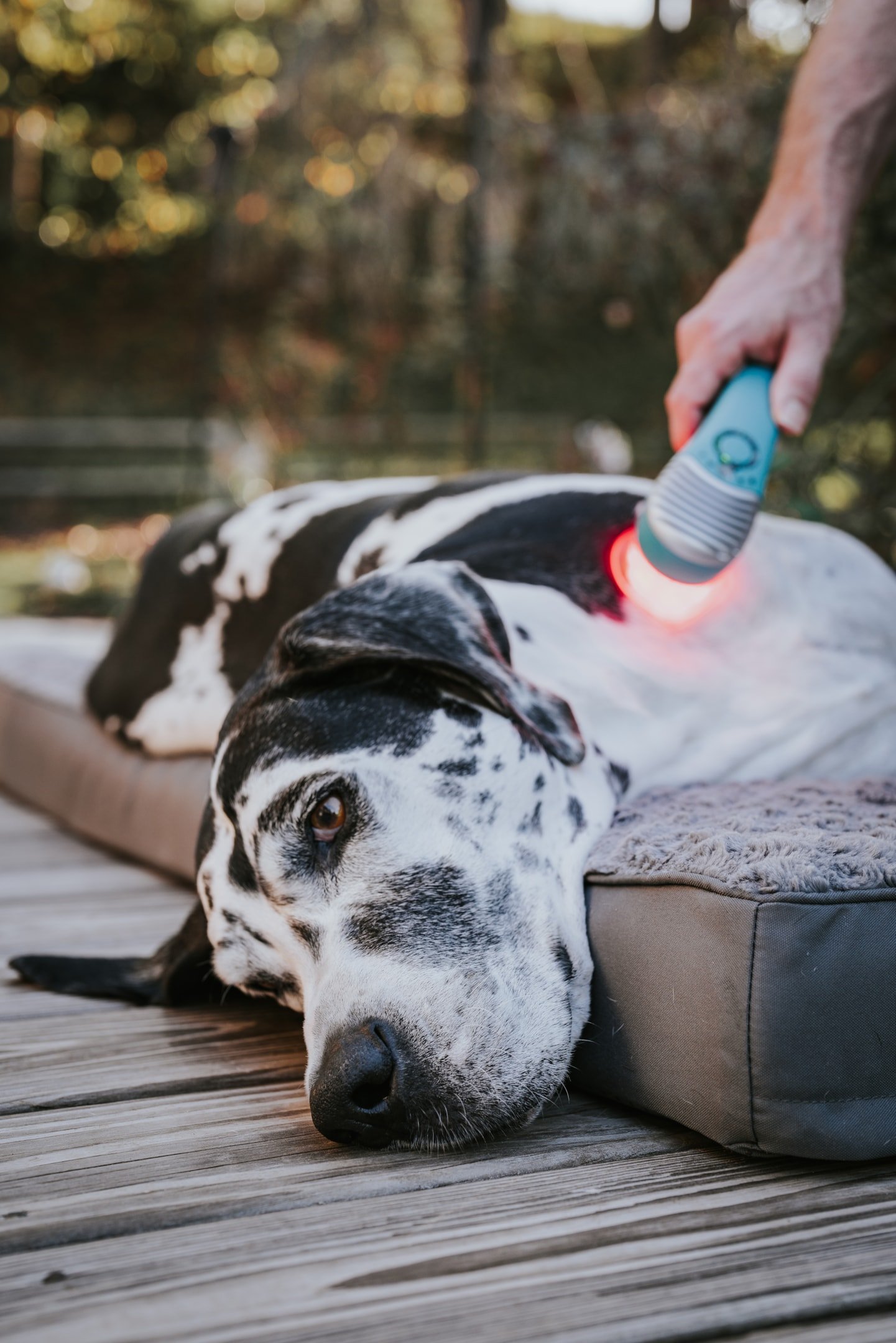
Pet parents today pay closer attention to everyday comfort and movement changes. Dogs may slow down, hesitate during walks, or rest more than usual. These subtle shifts raise questions about long-term wellness and daily support options. Many households now seek gentle care methods that feel calm and manageable. Red light therapy has entered these conversations naturally through wellness discussions.
This article explores why this option attracts growing interest among families focused on dog care. Readers will learn about physical discomfort patterns, care comparisons, safety factors, and daily integration. Each section builds clarity without medical pressure. The goal remains informed choices supporting comfort, routine, and quality of life.
Understanding Physical Discomfort in Dogs
Dogs experience physical discomfort from many everyday factors. Age-related changes affect muscles, joints, and posture over time. Active dogs may also develop strain from repetitive movement or play. Pet parents usually notice signs during routine activities or rest. These include stiffness, reluctance to move, or visible tension.
Discomfort may appear in joints, muscles, or sensitive areas like the neck. Early observation matters because delayed attention may increase stress. Supportive care focuses on reducing strain and improving daily comfort. Awareness helps caregivers choose gentle options without rushing decisions.
Common signs noticed include:
- Slower movement during walks or playtime routines
- Hesitation when standing, jumping, or lying down
- Changes in posture or preferred resting positions
Why Pet Parents Are Exploring Light-Based Options
Pet parents notice different discomfort patterns as dogs age or stay active. Some issues affect joints, while others involve muscles or posture strain. These concerns can show up during walks, rest, or playtime. Light-based options feel appealing because they address comfort without adding stress. Many families prefer solutions that feel gentle and predictable. At-home approaches also support consistent routines, which matters for long-term care. This shift reflects a broader move toward preventive wellness and daily support instead of reactive fixes.
As research deepens, families begin comparing specific pain types and causes. For example, many explore light-based support when learning how dog neck pain may develop from strain or poor posture. To understand proper use and safety, they turn to dedicated providers like MedCOVET for guidance and education. Reliable information helps integrate care thoughtfully. This approach keeps routines structured, calm, and aligned with veterinary recommendations while prioritizing comfort and quality of life.
Traditional Care vs Red Light Therapy
Traditional care methods focus on basic support and environmental comfort. These approaches help reduce strain during recovery or aging phases. Red light therapy offers a different supportive path for daily wellness routines. Comparing both helps pet parents understand practical differences clearly.
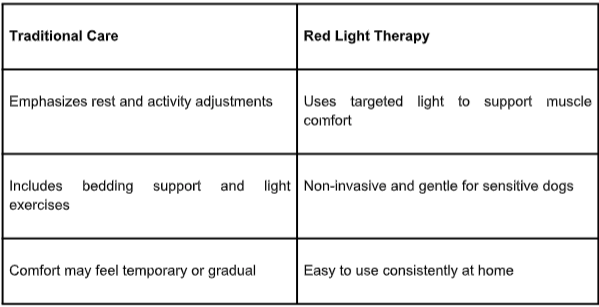
This comparison helps households evaluate which methods fit daily routines best. Many combine approaches rather than choosing only one option.
Safety, Comfort, and Ease of Use
Safety remains a priority when introducing new wellness tools for dogs. Pet parents prefer calm experiences that do not create anxiety. Red light therapy appeals because it feels gentle and predictable. Devices designed for home use focus on controlled exposure and comfort. Clear usage guidelines help reduce guesswork and stress. Veterinary guidance adds reassurance during decision-making processes. When used responsibly, light-based care fits smoothly into existing routines. Comfort-driven approaches encourage consistency without forcing behavior changes.
Key safety considerations include:
- Following recommended usage durations and placement guidance
- Observing dog comfort levels during each session
- Consulting veterinarians before long-term routine use
Integrating Therapy Into Daily Pet Care
Daily integration matters more than occasional use for many families. Pet parents prefer routines that feel natural and easy to maintain. A light-based care approach fits well alongside walks, feeding times, and rest periods. Short, predictable sessions help dogs stay relaxed and comfortable. This makes it easier to build consistency without disrupting daily schedules. When care feels calm and familiar, pets are more likely to respond positively over time.
Many families combine this approach with gentle movement, proper rest, and supportive nutrition. Red light therapy is often introduced as part of a broader wellness routine rather than a standalone solution. Observing small changes in comfort or movement helps adjust routines responsibly. This steady integration supports preventive care habits. Over time, wellness becomes part of everyday life instead of a response to discomfort.
Conclusion
Pet parents explore red light options because they align with modern wellness values. Gentle support, ease of use, and routine integration drive interest. Understanding discomfort patterns helps guide thoughtful decisions. Comparing care options builds clarity without pressure. Safety and consistency remain central to responsible use. When supported by reliable education, this approach feels balanced and calm. Light-based solutions continue gaining attention as part of supportive daily care. The focus stays on comfort, mobility, and quality of life for dogs.
Leave a Reply