
More people than ever could benefit from wearing a hearing aid, and that’s a trend that’s expected to rise significantly in the years to come. It’s estimated that by 2050, a quarter of the world’s population will have some degree of hearing loss, and one in ten will have severe hearing loss. Even now, around 1 in 7 Americans has partial hearing loss.
Despite this, hearing aid uptake — the number of people wearing them, that is — remains lower than it should be. This is due, in large part, to the prevalence of many myths that are still widely believed. With that in mind, we thought it’d be a good idea to go through these myths and set the record straight once and for all.
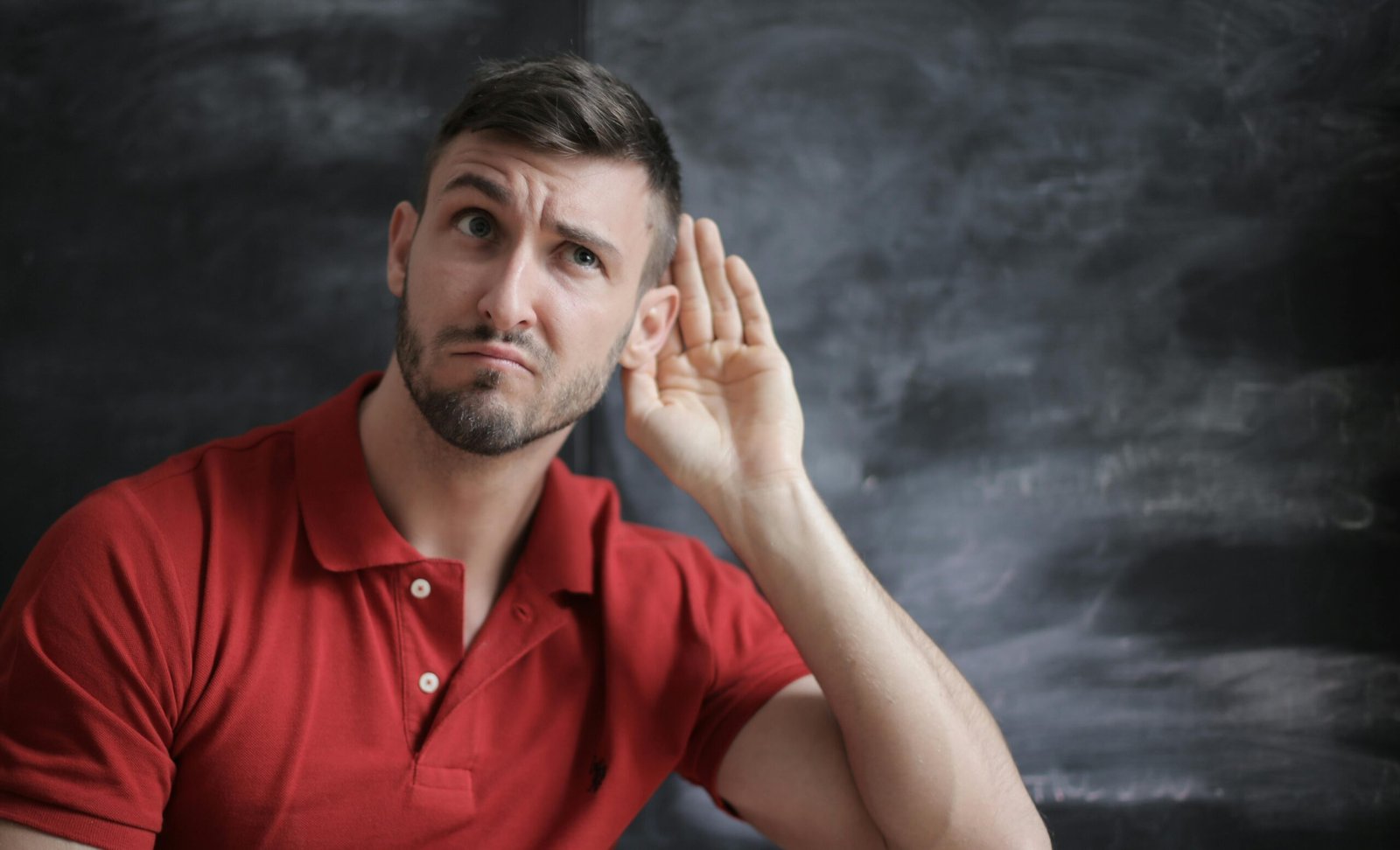
Myth #1: They’re Clunky
Many people believe that hearing aids are big and clunky because they have memories of what hearing devices used to be like in the olden days.
In actual fact, hearing aids are smaller and more discreet than ever before — it’s just that, because they’re so discreet, you probably haven’t seen them, and thus can’t update your image of what they’re actually like. Indeed, you’ve almost certainly spoken to someone who was wearing a hearing aid, but haven’t noticed!
Myth #2: They’re Ineffective
You can understand why someone with hearing loss wouldn’t go through the effort of getting one fitted if they believed that hearing devices are not effective.
But again, that’s not true. Not only are they effective, but today’s hearing aids are highly effective at improving hearing and making it easier for people with hearing loss to join conversations and enjoy everyday life. Modern hearing aids, such as Oticon, Phonak, and ReSound hearing aids, come jam-packed with features that offer an unparalleled experience, including AI-assisted background noise reduction, Bluetooth connections for streaming and phone calls, and personalized control through a connected app. All that helps to create a vastly improved hearing experience for people with hearing loss.
Myth #3: They’re Only For People With Severe Hearing Loss
People with severe hearing loss do benefit from hearing aids, but they’re not the only ones. There are hearing aids available for people with all levels of hearing loss, and in fact, it can be just as recommended for those people to seek hearing aid treatment as it is for people with more pronounced loss.
The reason for that is that hearing loss is best treated early, since untreated hearing loss can lead to consequences that include increased social isolation, cognitive decline, and depression.
Myth #4: They’re Not Worth The Money
Many people underestimate how much of an impact getting fitted for a hearing aid can have on their enjoyment of life. Because the impact of hearing loss is hard to quantify, many who would benefit from the technology put off getting one fitted. In truth, a hearing aid can have just as much of an impact on the life of someone who has hearing loss as getting glasses can have on someone who has vision problems.
Leave a Reply