
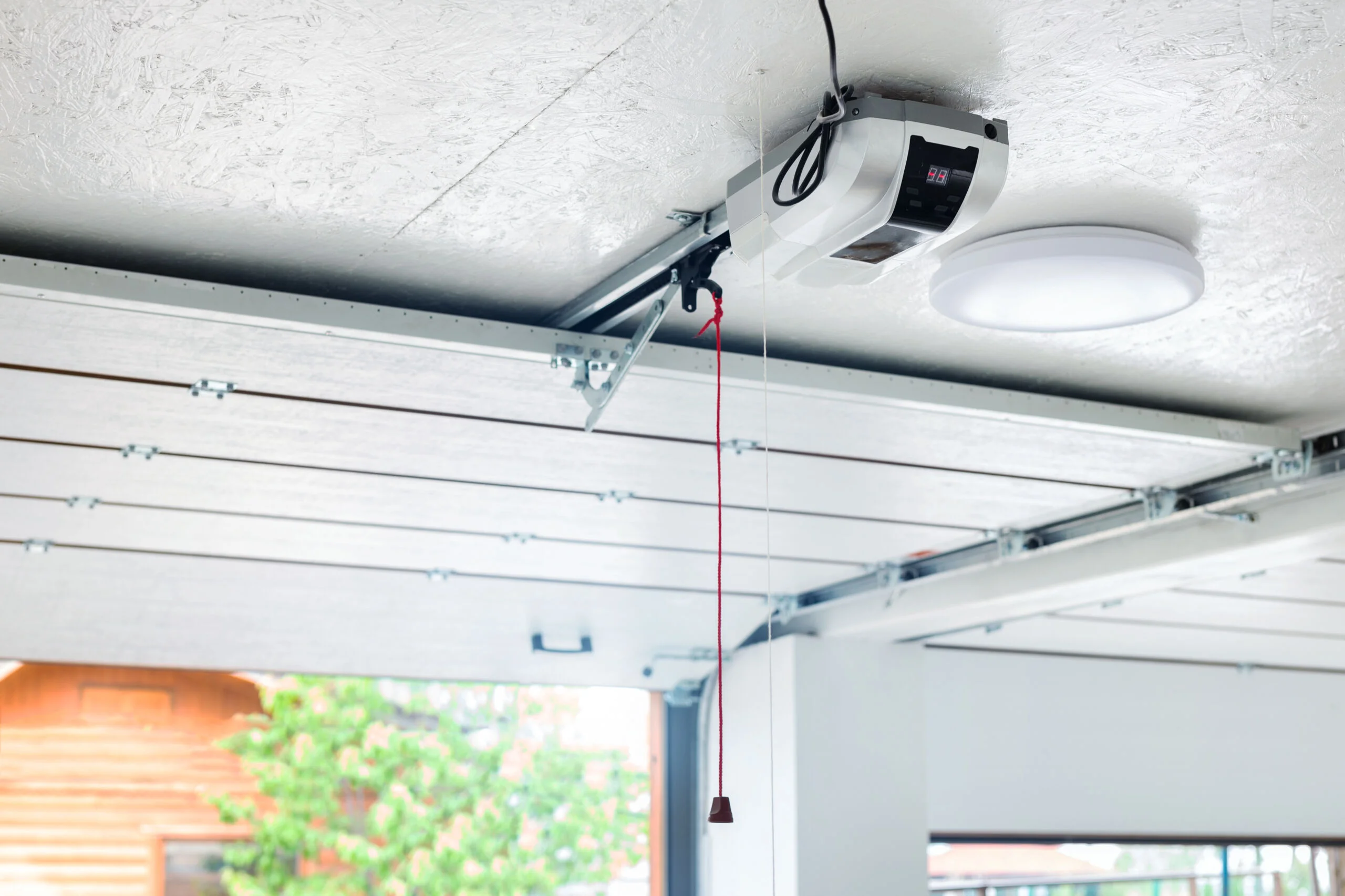
A garage door is one of those household systems you rarely think about — until it stops cooperating. One morning, it opens halfway and freezes. Another day, it refuses to close fully, leaving your garage exposed. These issues are more than minor inconveniences; they affect security, daily schedules, and even safety in places like Ontario.
While some garage door problems have simple explanations, others require closer inspection. Understanding what might be causing the malfunction can help you decide whether a quick fix will do or if professional intervention is necessary.
With that in mind, here is how to approach the situation step by step. So, without any further ado, dive into the article!
1. Start with the Simplest Causes First
Before assuming the worst, begin with basic troubleshooting. Many garage door failures stem from minor issues rather than mechanical breakdowns.
Check for:
- Dead remote batteries.
- A tripped circuit breaker.
- Disconnected power supply.
- Blocked safety sensors.
If the wall switch works but the remote does not, the issue may be with the transmitter rather than the door system itself. Likewise, if the door begins to close but reverses immediately, misaligned or dirty safety sensors are often responsible.
However, when the problem persists despite these simple checks, the issue may involve internal components such as springs, tracks, or motor systems. At that point, contacting a trained technician becomes the safer option. For homeowners facing recurring issues, professional garage door services in Ontario can provide a full system inspection rather than just surface-level fixes.
For example, companies like AMS Garage Doors & Openers, which specialize in residential garage door repair and installation, assess everything from spring tension to opener calibration to ensure long-term performance rather than temporary adjustment. All in all, addressing the root cause early prevents further strain on the system.
2. Inspect the Tracks and Rollers for Obstructions
If your garage door moves unevenly, stalls midway, or produces grinding noises, the tracks and rollers may be misaligned or obstructed.
Hence, look carefully for the following:
- Dirt or debris inside the track.
- Loose mounting brackets.
- Bent or warped metal rails.
- Worn-out rollers.
Even small obstructions can prevent smooth movement. Cleaning the track and tightening visible hardware may resolve minor resistance.
However, if the track appears bent or the rollers show significant wear, forcing the door to operate can worsen the damage. Professional realignment ensures the door glides evenly without placing excess strain on the opener motor.
3. Evaluate the Opener and Motor System
Sometimes the issue lies within the garage door opener rather than the door itself. Some of the prominent signs of opener problems include:
- The motor is running without door movement.
- Jerky or delayed operation.
- Unusual grinding noises.
- Overheating motor housing.
Chain, belt, or screw drive systems each require periodic maintenance. Lack of lubrication or internal wear can reduce efficiency over time. If the opener is more than 10–15 years old, replacement may be more cost-effective than repeated repairs.
4. Consider Weather and Environmental Impact
Climate can directly affect garage door performance — sometimes more than homeowners realize. Seasonal temperature swings, humidity, and snow exposure all place stress on mechanical components over time.
Cold weather, in particular, can cause metal parts to contract and lubricants to thicken. This may result in:
- Slower door movement.
- Jerky or hesitant opening.
- Sticking along the bottom seal.
- Increased strain on springs and the opener motor.
During winter, ice can also form along the base of the door, temporarily sealing it to the ground. Forcing it open in this condition can strain the opener or damage panels.
Hence, to minimize weather-related issues, homeowners should:
- Lubricate moving components seasonally.
- Inspect the bottom weather stripping for cracking.
- Clear ice and debris from door edges.
- Schedule annual system checks before winter.
If your garage door tends to struggle more during seasonal shifts, it may indicate that certain components are already under stress. Climate exposure often accelerates wear, especially in older systems.
Ultimately, addressing these vulnerabilities early helps maintain smoother operation year-round and reduces the likelihood of sudden breakdowns during extreme weather conditions.
To Sum It All Up!
When your garage door won’t open or close properly, start with simple checks — power supply, sensors, and remote batteries. If the issue continues, inspect visible components like tracks and rollers. But when you notice broken springs, frayed cables, or repeated malfunctions, professional help is the safest path forward.
A garage door is both a convenience system and a safety feature. Addressing problems early — and choosing experienced technicians when needed — ensures reliable operation, home security, and peace of mind year-round.
Leave a Reply