
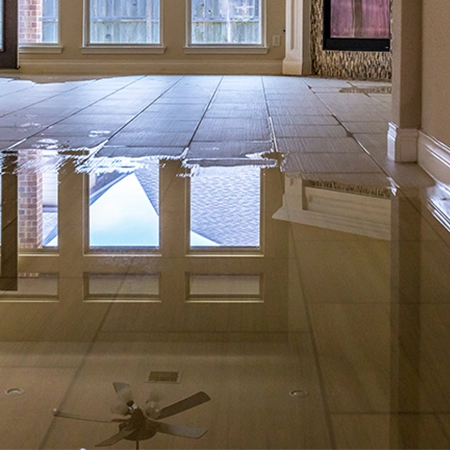
Natural disasters can occur with little warning and leave significant damage in their wake. Hurricanes, floods, tornadoes, wildfires, and severe storms can impact homes, businesses, and entire communities within a matter of hours. In the aftermath, it is common to feel overwhelmed as you assess the situation and determine what steps to take next.
While every disaster is different, having a clear plan can help you protect your safety, minimize additional damage, and begin the recovery process more effectively. Taking prompt and informed action is often the key to restoring normalcy and reducing long-term challenges. Here are five essential things to do after a natural disaster.
Ensure Everyone’s Safety
The first priority after any natural disaster is ensuring the safety of yourself, your family, and anyone else affected. Even after the immediate threat has passed, hazards such as downed power lines, gas leaks, unstable structures, and contaminated water can remain.
Before re-entering a damaged building, carefully inspect the area for potential dangers. Follow guidance from local authorities and emergency responders regarding evacuations and safety recommendations. If anyone is injured, seek medical attention as soon as possible. Protecting health and safety should always come before addressing property concerns.
Document All Damage
Once it is safe to do so, thoroughly document any damage to your property. Take photographs and videos of affected areas, including structural damage, flooded rooms, damaged roofing, and personal belongings that have been impacted.
Detailed documentation can be extremely valuable when filing insurance claims or discussing repairs with professionals. Create a written inventory of damaged items whenever possible, including approximate values and purchase information. Organized records can help simplify the recovery process and reduce stress during future discussions with insurers and contractors.
Prevent Additional Damage
After a disaster, preventing further property damage becomes an important next step. Broken windows, roof leaks, exposed structures, and standing water can quickly worsen if left unattended. Temporary measures can often help protect the property until permanent repairs can be completed.
Cover damaged roofs with tarps, board up broken windows, and remove standing water when it is safe to do so. Small preventative actions may significantly reduce repair costs and limit future complications such as mold growth, water damage, or structural deterioration.
Contact Your Insurance Provider
Insurance claims are often an important part of disaster recovery. Contact your insurance company promptly to report the damage and begin the claims process. Many insurers require timely notification and specific documentation regarding losses.
Be prepared to provide photographs, videos, receipts, and any other records that support your claim. Maintain copies of all communications and documents related to the process. Understanding your coverage and staying organized can help ensure a smoother experience as you work toward restoring your property.
Sometimes, even with clear records, insurance companies may delay or deny a valid claim. This can leave property owners in a difficult position when they need funds for repairs. If you face unfair delays or a flat rejection, it is often helpful to seek legal guidance. Working with an experienced insurance claim denial lawyer can help you understand your rights and challenge the insurer’s decision. Legal support can make a big difference in getting the payout you deserve to rebuild your home.
Work With Restoration Professionals
Natural disasters frequently cause damage that extends beyond what is immediately visible. Water intrusion, smoke contamination, mold growth, and structural weaknesses can affect the safety and integrity of a property. Professional assessment and restoration can help identify hidden issues and ensure appropriate repairs are completed.
Many property owners turn to an emergency restoration company following a disaster to assist with cleanup, mitigation, drying, repairs, and recovery efforts. Professional restoration services often help accelerate the recovery process while reducing the risk of long-term damage.
Focus on Emotional Recovery
While physical recovery is important, it is equally important to acknowledge the emotional impact of a natural disaster. Experiencing property loss, displacement, or uncertainty can create significant stress and anxiety for individuals and families.
Stay connected with friends, family members, and community support systems during the recovery process. Do not hesitate to seek professional assistance if feelings of stress or trauma become overwhelming. Emotional well-being is an essential part of rebuilding and moving forward after a disaster.
Conclusion
Recovering from a natural disaster can be challenging, but taking the right steps can make a significant difference. Prioritizing safety, documenting damage, preventing additional losses, contacting your insurance provider, seeking professional restoration assistance, and caring for your emotional health all contribute to a stronger recovery process.
Although rebuilding may take time, a structured approach can help restore both your property and your peace of mind. With patience, support, and the right resources, it is possible to overcome the challenges of a natural disaster and move forward with confidence.
Leave a Reply