
A quiet Sunday morning can quickly turn stressful when a ceiling stain appears, a basement smells musty, or rainwater spills over a clogged gutter. These problems rarely begin overnight. Often, they develop because small maintenance tasks have been postponed until the damage spreads.
For homeowners in Pennsylvania, changing seasons can put extra pressure on roofs, drainage systems, exterior materials, and household equipment. A little attention at the right time can help prevent minor defects from becoming disruptive repairs. Understanding the home maintenance mistakes that carry the greatest risks makes it easier to protect your property, plan upkeep, and avoid costs that could have been prevented with a few regular checks.
Why Small Maintenance Issues Deserve Attention
A home’s systems and exterior work together to keep weather and moisture out. When one part is neglected, damage can spread to nearby materials. These six mistakes deserve attention because early action is often simpler than later repairs.
1. Putting Off Roof Repairs
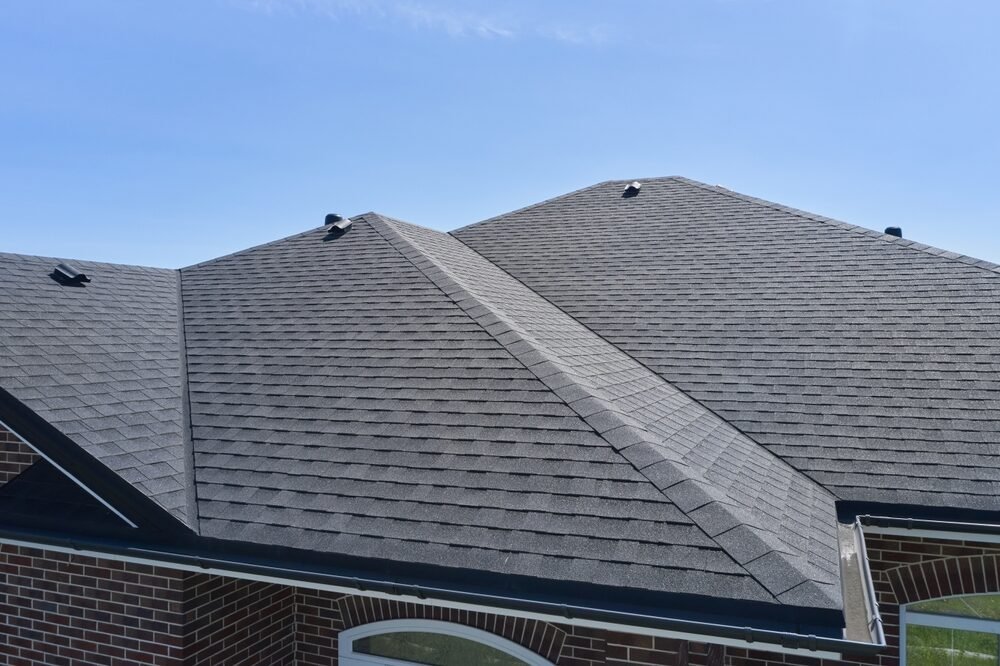
A loose shingle or small leak may not seem urgent if water is not dripping indoors. However, moisture can reach roof decking, insulation, ceilings, and walls, leading to deterioration and interior repairs.
Watch for:
- Missing, cracked, or curling shingles.
- Water stains on ceilings or upper walls.
- Shingle granules collecting near downspouts.
Do not climb onto a roof to investigate. Check visible areas from the ground and arrange a professional assessment when you notice warning signs. A qualified roofing company in Horsham, PA can assess roof concerns and explain whether repair or further work is appropriate.
2. Letting Gutters and Downspouts Clog
Gutters carry rainwater away from the roof and help direct it away from the home. Leaves and debris can block that route. When water spills over the sides, it may stain or damage siding, affect fascia boards, collect near the foundation, or contribute to basement moisture.
Clear gutters regularly, particularly after heavy leaf fall. Check downspout connections, sagging sections, leaking joints, and pooling water. Use a professional for work at height rather than taking unnecessary ladder risks.
3. Ignoring Small Plumbing Leaks
A dripping faucet, running toilet, or damp cabinet base can be easy to put off. A slow leak beneath an appliance or around a pipe connection may damage flooring and cabinets before it is obvious.
Check beneath sinks, around toilets, near the water heater, and behind accessible appliances for dampness, corrosion, or musty smells. An unexplained increase in water use can also point to a hidden leak. Regularly checking faucets, toilets, and other water fixtures can help homeowners catch these problems early. The EPA’s WaterSense home maintenance guidance provides additional tips for identifying and addressing household water leaks.
4. Overlooking Cracks and Failed Exterior Seals
Gaps around windows, doors, trim, and siding can let rain and outside air enter, leading to peeling paint, deteriorating wood, and drafts.
Inspect exterior caulking and weatherstripping for gaps, cracks, or sections pulling away. Replace worn seals with suitable products, and investigate larger cracks or recurring damp patches instead of simply covering them. Pay attention to areas where different materials meet, as these joints can be vulnerable to water entry.
5. Skipping Heating and Cooling System Maintenance
Heating and cooling equipment works hard during seasonal temperature changes. Dirty filters, unusual noises, and reduced airflow can strain the system and contribute to avoidable faults.
Follow the manufacturer’s instructions for filter checks and replacement, keep supply and return vents clear, and arrange professional servicing at the recommended intervals. If rooms are not heating or cooling evenly, or the system repeatedly switches on and off, have the cause checked rather than assuming it will resolve itself.
6. Forgetting About Attic Moisture and Ventilation
Attics are easy to overlook. Roof leaks, blocked ventilation, or excess indoor moisture can cause condensation, damp insulation, and deterioration of roof components.
Look for water marks, damp or compressed insulation, musty odors, and visible mold. Make sure bathroom and kitchen exhaust fans discharge outdoors as designed, not into the attic. If you find persistent moisture or suspect a roof leak, ask a qualified professional to identify the source before replacing insulation or covering affected materials.
A Simple Routine to Reduce Repair Risks
A short, recurring checklist can help you spot changes before they become harder to manage.
- Check seasonally: Review the roof from the ground, gutters, exterior seals, and visible plumbing.
- Respond to warning signs: Investigate stains, damp smells, unusual sounds, and unexplained changes in water use.
- Keep a repair record: Save inspection notes, invoices, and equipment service dates so recurring concerns are easier to track.
- Use qualified help: Leave roof access, electrical work, structural concerns, and complex repairs to trained professionals.
Conclusion
Small maintenance tasks can protect a home from problems that are more disruptive and expensive to fix later. Check vulnerable areas regularly, act when warning signs appear, and seek qualified help when a problem is beyond routine upkeep. A consistent maintenance routine helps homeowners protect their property and plan repairs before urgent damage takes over with fewer unexpected household expenses.
Frequently Asked Questions
How should homeowners prepare for a severe storm?
Secure loose outdoor items, clear accessible drainage paths, and check that doors and windows close properly. After the storm, look for damage safely and arrange an inspection if you suspect roof or exterior damage.
Should homeowners keep records of repairs and inspections?
Yes. Keep dated notes, photographs, receipts, warranties, and contractor reports together. These records can help identify recurring issues, support future repair decisions, and provide useful information if you sell the property.
When is it better to call a professional instead of attempting a repair?
Call a qualified professional when a task involves roof access, electrical systems, structural damage, persistent moisture, or work requiring specialist tools or permits. DIY work should stay within your skills and the manufacturer’s safety instructions.
Leave a Reply