
Your mental health affects everything you do, from how you interact with others to how you perform at work and the decisions you make each day. Many people focus heavily on physical fitness and nutrition while overlooking the psychological and emotional dimensions of wellness. This imbalance can lead to serious consequences that ripple through every area of life. Understanding why mental health deserves your attention is the first step toward building a more balanced and fulfilling existence.
Mental Health Impacts Physical Well-Being
The connection between your mind and body is far stronger than many people realize. When you experience chronic stress or untreated anxiety, your nervous system stays in a heightened state of alert, triggering the release of stress hormones like cortisol. Over time, this constant activation weakens your immune system, leaving you more vulnerable to illness and infection. You might notice you catch colds more frequently or recover from injuries more slowly when your mental state is compromised. Poor mental health can also trigger or worsen physical conditions such as high blood pressure, digestive problems, and chronic pain. Addressing mental health concerns early helps protect your physical body from the wear and tear of unmanaged emotional distress.
Your Relationships Depend on Emotional Stability
People who neglect their mental health often struggle to maintain healthy relationships with family, friends, and romantic partners. When you are dealing with depression, anxiety, or unprocessed emotional pain, you may withdraw from others or react irritably to minor frustrations. These patterns create distance and conflict, even with people who care deeply about you. Your loved ones may feel confused or hurt by mood swings or emotional unavailability, not understanding that these behaviors stem from underlying mental health challenges. Strong relationships require emotional presence and the ability to communicate effectively, both of which suffer when mental health is ignored. Investing in your mental wellness directly strengthens your capacity for meaningful connection with others.
Untreated Mental Health Issues Affect Work Performance
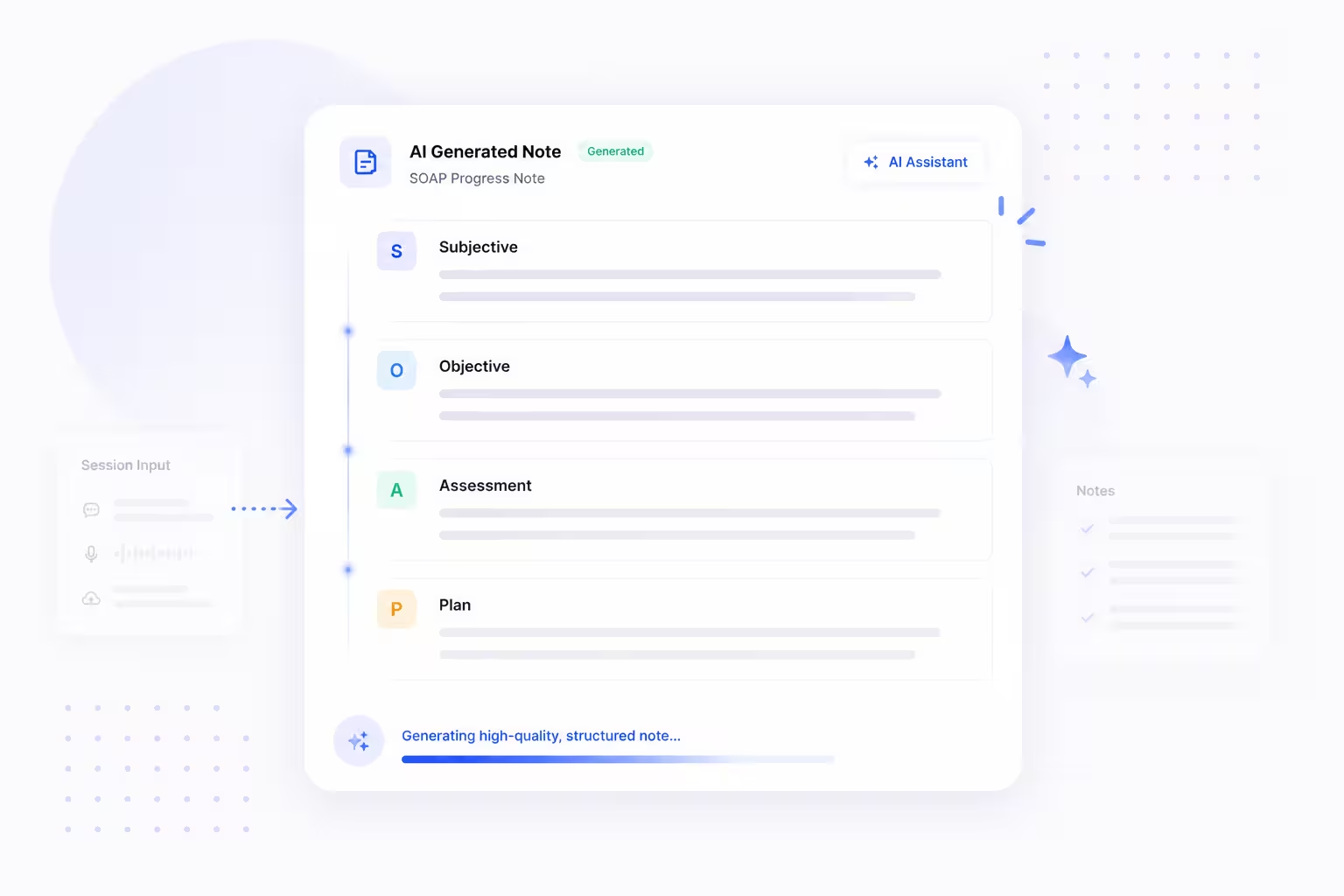
Your professional life cannot be separated from your mental health status. Depression, anxiety, and other mental health conditions reduce your ability to concentrate, make decisions, and manage workload demands. You might find yourself calling in sick more often, missing deadlines, or struggling to complete tasks that once felt manageable. For clinicians and therapists who need to document patient progress efficiently during demanding schedules, AI SOAP Notes helps reduce administrative burden so more time and energy can go toward meaningful client care. Addressing mental health concerns through professional support often leads to improved productivity, better performance reviews, and greater satisfaction in your work, as well as stronger workplace relationships built on the emotional energy required for effective collaboration.
Mental Health Neglect Creates a Cycle of Worsening Symptoms
When you ignore early warning signs of mental health problems, the symptoms typically intensify rather than resolve on their own. A manageable level of anxiety can develop into panic attacks if left unaddressed, and mild sadness can progress into clinical depression. This deterioration makes treatment more difficult and time-consuming once you finally seek help. The longer you wait, the more these conditions embed themselves into your daily patterns and thought processes. What might have responded well to relatively simple interventions in the early stages may eventually require more intensive treatment. Breaking the cycle requires acknowledging problems early and taking action before they spiral into more serious conditions.
Your Self-Image and Confidence Suffer Without Mental Care
Mental health challenges often damage how you see yourself and your capabilities. Persistent self-doubt, shame, or low self-worth can develop when mental health issues remain untreated, eroding your confidence in your abilities and your value as a person. This negative self-perception becomes self-fulfilling, as you avoid opportunities or pursue goals with hesitation and fear. You might second-guess your decisions constantly or attribute any success to luck rather than your actual competence. Over time, this damaged self-image makes it harder to advocate for yourself, set healthy boundaries, or pursue meaningful goals. Prioritizing mental health care helps restore a realistic and compassionate view of yourself.
Neglecting Mental Health Increases Risk of Serious Crises
When mental health concerns remain unaddressed for extended periods, the risk of serious crisis situations increases substantially. Untreated depression and anxiety can contribute to substance abuse as people attempt to self-medicate their emotional pain. In severe cases, untreated mental health conditions can lead to thoughts of self-harm or suicide. Even without reaching crisis levels, chronic mental health neglect diminishes your quality of life and your ability to enjoy activities that once brought you joy. Seeking professional support provides tools and strategies for managing symptoms before they reach dangerous levels. Early intervention prevents situations that might otherwise lead to hospitalization, relationship breakdown, or loss of employment.
Conclusion
Mental health is not a luxury to address only when everything else in your life is perfect, nor is it something to tackle only in moments of crisis. The six reasons outlined here demonstrate that your psychological and emotional well-being directly influences your physical health, relationships, work performance, self-image, and overall life satisfaction. Neglecting mental health creates conditions where problems compound rather than resolve, making eventual treatment more difficult and costly. By recognizing the importance of mental health and taking proactive steps to care for it, you invest in a stronger, more resilient version of yourself. Whether through therapy, meditation, exercise, social connection, or other evidence-based approaches, prioritizing mental health is one of the most meaningful decisions you can make for your long-term well-being and success.
Leave a Reply