
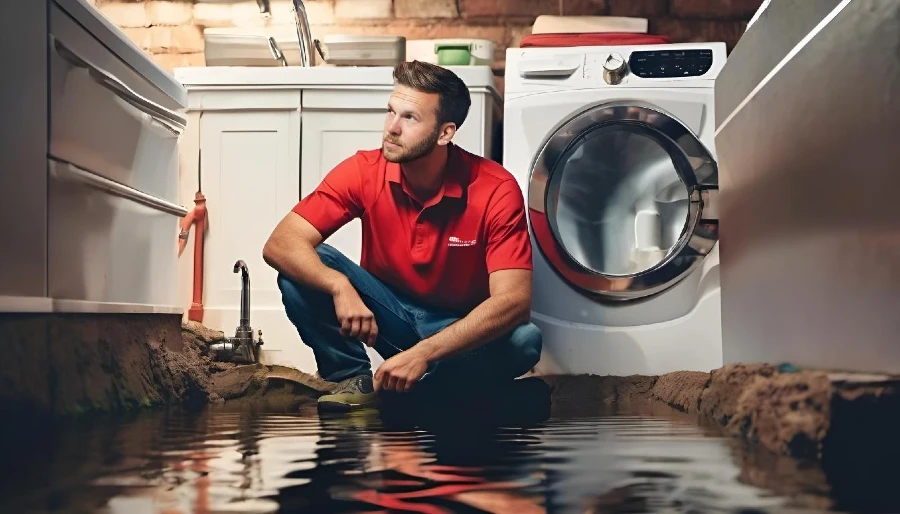
Before you pick up the phone and schedule a repair call, it’s worth spending a few minutes checking a handful of things yourself. Basement drain issues can range from a dried-out trap to a serious sewer line blockage — and knowing which one you’re dealing with makes a real difference in how you handle it. Some problems have simple fixes you can sort out in under an hour. Others genuinely need professional attention. This checklist helps you figure out which category you’re in, so you’re not paying for a service call when a five-minute fix would have done the job.
1. Check If the Drain Trap Is Dried Out
Every floor drain has a trap — a U-shaped section of pipe that holds a small amount of water to block sewer gases from rising into your home. If the basement drain isn’t used regularly, that water can evaporate and leave the trap empty. The first thing you’ll notice is a sewage smell, even with no visible backup. The fix is straightforward: pour about a gallon of water directly into the drain. If the smell goes away within a day or two, a dry trap was your only problem. Make it a habit to run water down the drain every few weeks to keep the seal intact going forward.
2. Look for Visible Blockages Near the Surface
Remove the drain cover and take a look inside with a flashlight. Lint, hair, soap buildup, and small debris can collect just a few inches down and restrict water flow significantly without causing a full blockage right away. If you can see the buildup, try clearing it with a drain snake or even a straightened wire hanger before assuming the problem runs deeper. Surface-level clogs are far more common than people expect, and they’re usually fixable in a few minutes. If the drain looks clear to the depth you can see but water still backs up, then it’s worth digging a little further into the diagnosis.
3. Note When the Backup Actually Happens
Timing matters a lot when diagnosing a drain issue. Does the water back up only after you run the washing machine? Does it happen during heavy rain but not otherwise? Or does it back up regardless of what you’re doing upstairs? Each pattern points to a different cause. For a closer look at what those patterns typically mean, Ninja Plumbing’s basement drain troubleshooting guide breaks down the most common triggers and what each one usually indicates about the condition of your drain line. It can also help you interpret what you’re seeing and figure out whether it points to a local clog or something further along in the system.
4. Test Other Drains in the House
Run water in a few different areas — the upstairs bathroom, kitchen sink, and utility tub — and pay attention to what happens at the basement drain. If backing up in one fixture causes water to rise in another, that’s a strong signal that the blockage is in the main sewer line rather than a single branch. On the other hand, if only the basement drain is acting up while everything else drains normally, the problem is more likely contained to the lower section of your plumbing. This one test can save you a lot of time and money by pointing the diagnosis in the right direction before any tools come out.
5. Inspect the Area Around the Floor Drain
Take a few minutes to look at the floor and walls near the drain. Water stains, mineral deposits, efflorescence (white chalky residue on concrete), or soft spots in the flooring around the drain are signs that water has been backing up or seeping in for longer than you might have realized. These visual clues help you gauge how long the problem has been going on and how far it may have spread. Things to look for include:
- White or grey chalky deposits on nearby concrete walls or floor
- Rust-coloured rings or staining around the drain cover
- Soft, damp, or discoloured patches in the floor nearby
- Mold or mildew smell near the base of the walls
6. Check for Signs of Sewer Gas
Sewer gas isn’t just unpleasant — it can be a health concern. If you’re noticing a persistent rotten-egg smell in the basement even after refilling the trap, there may be a crack or gap somewhere in the drain line that’s allowing gas to escape. According to the Centers for Disease Control and Prevention, hydrogen sulfide — a primary component of sewer gas — can cause symptoms ranging from headaches and nausea to more serious respiratory effects at higher concentrations. Ventilate the area, keep people and pets away, and get a professional to inspect the line if the smell persists after addressing the trap.
7. Look Up Your Home’s Drain Age and Material
Older homes were often built with cast iron or clay drain pipes, which can corrode, crack, or shift over decades of use. If your home was built before the 1980s and you’ve never had the drain lines inspected, age alone could be a contributing factor. Check your home inspection report if you have one, or look up building permits through your local municipality to find out when the plumbing was installed. Knowing the age and material of your pipes helps a plumber decide whether a simple cleaning will do the job or whether a camera inspection and possible pipe lining is the smarter long-term solution.
Final Thoughts
Going through this checklist before picking up the phone isn’t about avoiding professional help — it’s about making sure you actually need it, and being prepared when you do. Some basement drain problems are genuinely simple. Others are complex enough that getting it wrong costs you more in the long run. Taking ten or fifteen minutes to observe, test, and document what’s happening puts you in a much stronger position, whether you end up handling it yourself or handing it off to someone else.
Leave a Reply