
Renting out your house can be an excellent way to generate passive income, yet the process can present unique challenges. From property preparation and tenant relations management to mastering being a landlord, it requires preparation and an organized approach. In this blog, we will look at some of the things you need to know about renting out your home with advice to avoid common pitfalls and get better returns.
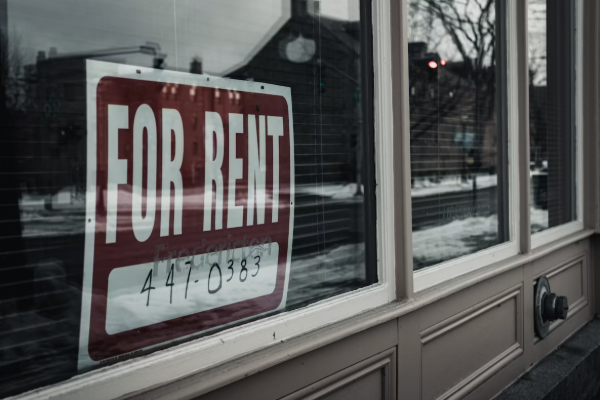
Photo by Aaron Sousa on Unsplash
Preparing Your Home for Rent
Prior to listing your home for rent, it’s important that it be rental-ready. A tidy and well-kept house attracts quality tenants while enabling you to set an economical rental rate.
Ensure Repairs and Maintenance Are Up to Date
The first step to prepping your home for tenants is taking care of any repairs or maintenance issues, from leaky faucets and wall holes to ensuring all appliances work. If HVAC or plumbing requires servicing, take care of it all before your tenants move in. A well-kept property shows potential tenants you are a responsible landlord while simultaneously setting expectations about how your property should be cared for.
Declutter and Deep Clean
Renters prefer homes that are free from clutter, like family photos and decor that reflects personal taste, with neutral paint colors and simple furnishings if renting it as furnished property. Hiring professional cleaners may also prove worthwhile to ensure it shines during showings.
Consider Curb Appeal
Your home’s exterior makes the first impression, so don’t overlook its yard, driveway, and entrance area when creating its curb appeal. Mow your lawn, trim shrubs regularly, and add fresh mulch or flowers for an inviting look. A neat exterior can draw more people in to look around your property and show its value to potential buyers.
Setting the Right Rental Price
Determining an ideal rental amount requires a balance between market competitiveness and profitability. Setting it too high, and you may struggle to attract tenants. Setting it too low, and you could leave money on the table.
Research the Local Market
Examine comparable properties in your neighborhood to get a sense of what rent they’re fetching. Pay particular attention to factors like square footage, amenities, and proximity to schools, shops, and public transportation. Online real estate platforms or professional property managers can provide assistance with market research.
Factor in Expenses
Carefully consider all expenses when setting rental income targets, such as mortgage payments, property taxes, insurance premiums, maintenance costs, and repair expenses, to ensure your income will cover them all. Be sure to save for unexpected repairs or vacancies so your income stays secure.
Evaluate Demand
If your property is located in an area with high demand, such as proximity to urban centers or top-rated schools or leisure amenities, charging higher rental rates might be justified. On the other hand, in cases where demand is lower, you may need to offer lower rental terms in order to attract tenants.
Marketing Your Property
Now that your home is complete and priced accordingly, it’s time to market it efficiently. Advertisements that reach out directly can quickly attract reliable tenants that meet the criteria.
Create an Attractive Listing
An eye-catching rental listing is important to drawing viewers’ interest. Use high-quality photographs that highlight your home’s best features, as well as writing an informative yet compelling description. Highlight amenities like a modern kitchen, energy-efficient appliances, and storage space as well as any lease requirements such as monthly rent, deposit amount, or length of lease duration.
Using Multiple Platforms
Advertise your property across popular rental platforms, community boards, local classifieds listings, and social media. Use local housing groups on social media as another effective advertising channel. Alternatively, working with a real estate agent may open doors to wider networks and additional marketing tools that may enhance its exposure.
Host Open Houses
Hosting open houses or private showings gives prospective tenants the chance to see your property firsthand, giving them a full experience of all its features such as utilities, neighborhood amenities, and lease terms. Be prepared to answer questions. Provide personal touches, like providing brochures with rental information, as they will leave a good impression with potential tenants.
Screening Tenants Thoroughly
Securing your property and creating a seamless rental experience are both contingent on finding a tenant with reliable qualifications. Beginning with an in-depth rental application review process, comprehensive tenant screening ensures reliable candidates who will reduce future issues. Carefully reviewing their income, rental history, and references, you can ensure they fulfill the criteria needed for maintaining positive landlord-tenant relations.
Conduct Background and Credit Checks
Carry out background and credit checks on prospective tenants to identify any red flags, such as previous evictions or criminal histories, which might affect their ability to make consistent rent payments. Also be consistent in your screening criteria in order to comply with fair housing laws.
Require References
Request references from previous landlords and employers. These contacts can provide insight into a tenant’s behavior, including whether they paid rent on time, respected the property well, and met lease agreement terms.
Meet Prospective Tenants
In-person conversations during showings or interviews can give more context about a prospective tenant. While instinct shouldn’t dictate your decision, meeting candidates can give an impression of whether they will be respectful and communicative tenants.
Drafting a Solid Lease Agreement
Drafting an in-depth lease agreement protects both you and your tenant by outlining expectations and responsibilities in advance.
Outline Terms and Conditions
Your lease should outline all critical aspects, such as rent amount, payment dates, pet policies, maintenance responsibilities, and termination clauses. Be clear on late fees, security deposit conditions, and rules for renewing or breaking the contract.
Compliance With Local Rental Laws
Research local rental laws to make sure that your lease meets legal requirements, which could differ regarding rent control, tenant rights, and required notifications. Consult an attorney or real estate professional in order to avoid legal missteps.
Promote Clarity
Before signing your lease agreement with tenants, ensure they understand all terms in detail so there will be no misunderstandings or disputes later on. Establishing clarity upfront can prevent unnecessary hassle in the future.
Leave a Reply