
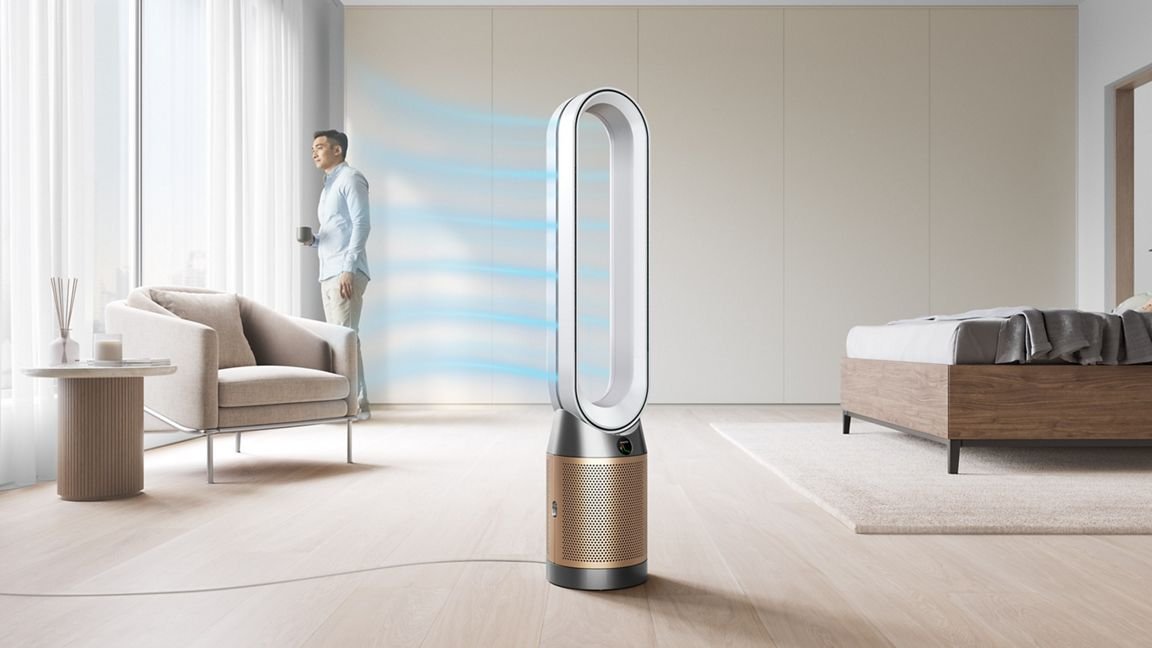
We spend more time indoors than ever before. Work, leisure, and daily routines increasingly unfold within the walls of our homes, making the quality of that air a direct factor in our health and wellbeing. Yet indoor environments are often overlooked as sources of discomfort. Dust settles quietly on surfaces, allergens linger in soft furnishings, pet dander accumulates in corners, dry air aggravates skin and sinuses, seasonal pollution seeps through windows, and poor ventilation traps stagnant air inside. Many homeowners now invest in solutions such as an air purifier or a modern humidifier to improve comfort and maintain healthier indoor conditions throughout the year. By paying closer attention to the invisible environment around us, we can transform our living spaces into sanctuaries that actively support daily health and long-term vitality.
Understanding the Hidden Pollutants Inside the Home
Research consistently shows that indoor air can sometimes be more polluted than outdoor air. Because modern homes are tightly sealed for energy efficiency, airborne contaminants have fewer escape routes. Everyday activities are primary culprits: cooking releases fine particulate matter and fumes, cleaning products emit volatile organic compounds (VOCs), and burning candles or wood fires adds smoke to the atmosphere. Outside allergens like pollen easily drift indoors through open doors and windows, while moisture-prone areas encourage mould spores to circulate. Pet hair and dander accumulate quickly in carpets and upholstery, becoming airborne with every footstep. These pollutants shift with the seasons, creating fluctuating indoor conditions that require mindful management rather than a one-time fix.
Why Humidity Levels Matter More Than People Realise
Humidity is often the invisible driver of indoor comfort, yet it’s frequently ignored until symptoms appear. When indoor air becomes overly dry, particularly during colder months, it can strip moisture from skin, irritate nasal passages and sinuses, trigger sore throats, increase static electricity, and disrupt restful sleep. Conversely, excessive humidity creates its own set of problems. Damp environments encourage mould growth on walls and ceilings, lead to persistent condensation on windows, and provide ideal breeding grounds for dust mites. The ideal indoor humidity range generally sits between 30% and 50%, a balance that keeps the air comfortable, protects household materials, and supports the body’s natural respiratory defenses.
How Air Purification Technology Supports Everyday Wellness
Modern air purification systems have evolved from basic filters into sophisticated wellness tools. High-efficiency filtration captures microscopic particles, trapping common allergens, pet dander, pollen, and airborne pollutants before they circulate through living spaces. For allergy sufferers, this technology can dramatically reduce sneezing, congestion, and itchy eyes, transforming previously uncomfortable environments into breathable havens. During periods of heavy outdoor pollution or regional wildfire smoke, purifiers provide a critical indoor refuge by removing hazardous fine particulates. In dense urban apartments or family homes with multiple occupants, consistent air filtration ensures that everyday breathing remains clean, quiet, and effortless.
The Growing Role of Humidifiers in Modern Homes
As awareness of indoor comfort expands, humidifiers have transitioned from seasonal novelties to year-round essentials. During winter, when heating systems aggressively strip moisture from the air, maintaining balanced humidity prevents dry patches, nasal irritation, and cracked skin. In bedrooms, properly humidified air supports deeper, uninterrupted sleep by keeping airways lubricated and reducing nighttime coughing. Families with young children particularly benefit, as balanced moisture levels help protect developing respiratory systems and reduce the severity of cold symptoms. Even in warmer months, air-conditioned spaces tend to dehumidify the air, making consistent moisture control a practical necessity for maintaining overall indoor comfort.
Air Quality and Sleep: The Overlooked Connection
Sleep quality is intimately tied to the air we breathe at night. Dry indoor conditions frequently cause throat dryness, nasal congestion, and restless tossing, while lingering allergens can trigger mild inflammatory responses that disrupt sleep cycles. The environment of the bedroom plays a crucial role: quiet air circulation, stable temperature, and balanced humidity work together to signal the nervous system that it’s time to rest. When these factors align, the body repairs itself more efficiently, and waking feels genuinely restorative. Prioritising bedroom air quality isn’t just about comfort; it’s a foundational pillar of nightly recovery and daytime energy.
Smart Homes and the Future of Indoor Comfort
Connected home technology is quietly redefining how we manage indoor environments. Smart sensors now monitor air quality, temperature, and humidity in real time, feeding data to automated systems that adjust purification and moisture levels without manual intervention. This seamless integration removes guesswork, ensuring conditions stay within optimal ranges throughout the day. Energy efficiency has also improved, with modern devices operating on demand rather than continuously, reducing power consumption while maintaining comfort. As consumer awareness around wellness technology grows, the integration of intelligent climate management into everyday homes is becoming a standard expectation rather than a luxury.
Seasonal Air Quality Challenges Throughout the Year
Winter
Central heating systems dry out indoor air, while closed windows limit natural ventilation. Stagnant, moisture-depleted air becomes the norm, requiring intentional hydration and air circulation strategies.
Spring
Pollen counts rise sharply, infiltrating homes through open doors, windows, and ventilation systems. Allergy sufferers face increased indoor exposure, making consistent filtration essential during these months.
Summer
Outdoor pollution peaks in many regions, while high humidity levels can lead to condensation and mould indoors. Air conditioning provides cooling but simultaneously removes moisture, requiring careful balance.
Autumn
Leaves and outdoor dust accumulate, tracking indoors on shoes and clothing. As indoor heating systems restart after months of inactivity, dust and allergens stored in vents are pushed into living spaces.
Choosing the Right Indoor Air Solution for Your Space
Selecting an appropriate air quality system depends on several practical factors. Room size dictates the capacity and output needed for effective coverage, while homes with pets require devices capable of capturing heavier hair and dander loads. Urban apartments often contend with external traffic pollution and fine particulates, whereas suburban homes may deal with seasonal pollen and higher baseline humidity. Families managing allergies or asthma benefit from medical-grade filtration and consistent humidity control. Increasingly, multi-function devices that combine purification, humidity regulation, and smart monitoring offer streamlined solutions that address multiple needs without cluttering living spaces.
Everyday Habits That Help Improve Indoor Air Naturally
Technology works best when paired with mindful daily routines. Opening windows for short, strategic intervals flushes out stale air and introduces fresh oxygen, even during colder months. Reducing reliance on synthetic fragrances, aerosol sprays, and harsh chemical cleaners limits VOC emissions. Regularly washing soft furnishings, vacuuming with HEPA filters, and dusting surfaces removes accumulated allergens. Maintaining HVAC systems, replacing filters on schedule, and ensuring proper exhaust ventilation in kitchens and bathrooms prevents moisture and pollutant buildup. Adding indoor plants can contribute to air freshness, though they should complement rather than replace mechanical filtration. Finally, monitoring and controlling moisture in bathrooms, basements, and laundry areas keeps the indoor environment balanced and healthy.
Final Thoughts
Indoor wellness has shifted from a peripheral concern to a central component of modern living. The air inside our homes directly influences how we sleep, recover, and navigate daily stress, making clean air and balanced humidity essential for long-term comfort and quality of life. By combining thoughtful environmental management with simple, consistent habits, we can create spaces that actively support physical and mental wellbeing. A healthier indoor environment doesn’t require constant intervention or complicated routines—it simply asks for awareness, balance, and a willingness to prioritise the invisible elements that make a house truly livable.
Leave a Reply