
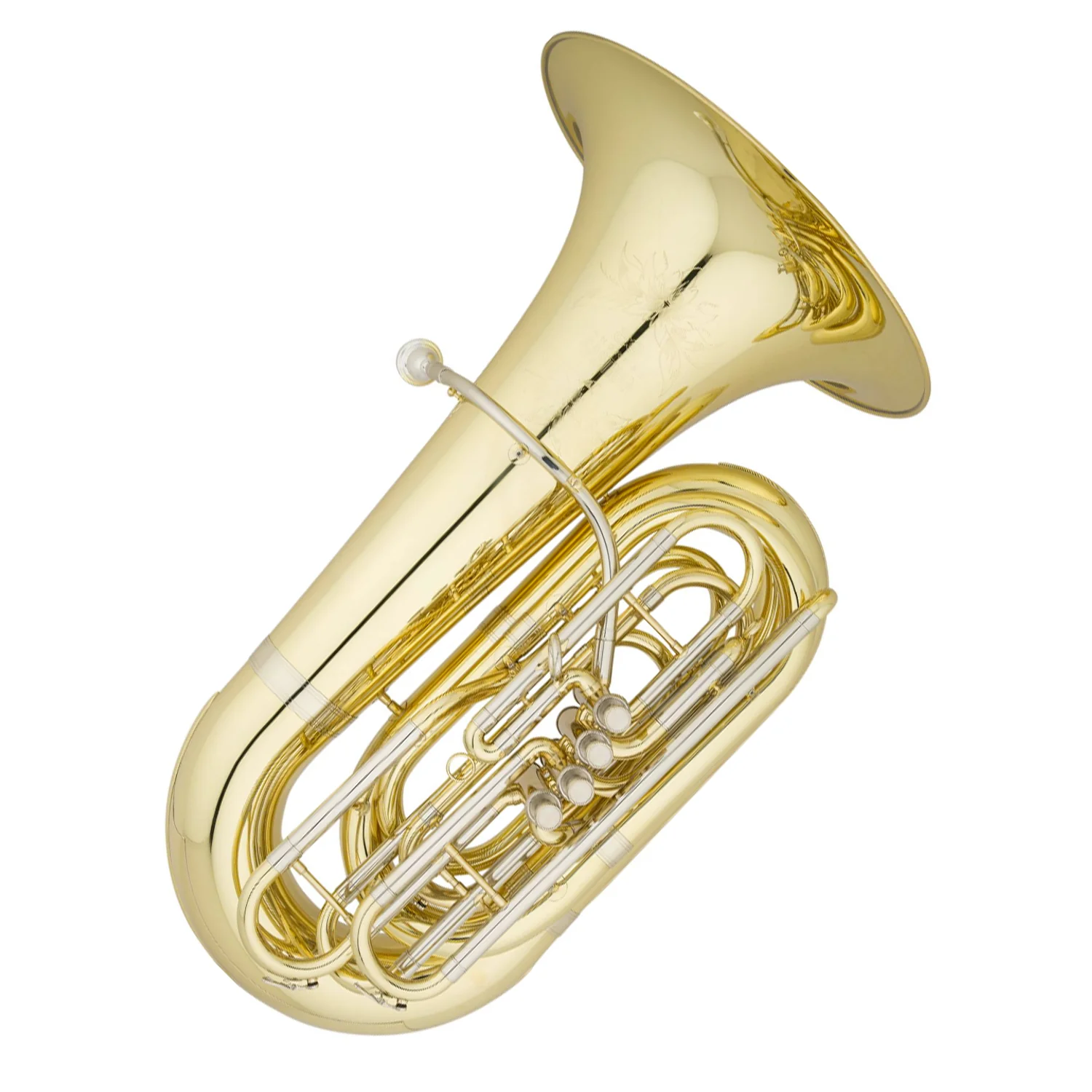
Picking up a new instrument is exciting, but it can also feel overwhelming when you don’t know where to start. The tuba is one of those instruments that looks intimidating from the outside, big, heavy, and complicated, but it’s actually one of the most rewarding brass instruments to learn. It forms the backbone of concert bands, orchestras, and brass ensembles, and a good tuba player is always in demand.
Whether you’re a parent helping a child find their first instrument or an adult who’s finally decided to give it a go, understanding what to look for before you buy makes the whole process a lot less stressful. Here are five key things to understand before choosing a tuba, whether you’re just starting out or looking to upgrade.
1. Understanding the Different Types of Tubas
Not all tubas are the same, and the differences between them matter for beginners. The main types are BBb, CC, Eb, and F tubas, and each one has a slightly different pitch, size, and typical use case. BBb tubas are the most common for beginners and school band programs because they’re widely available and easier to find instruction for. CC tubas are popular with professional orchestral players. Eb and F tubas are smaller and better suited for younger players or those who need a lighter instrument for marching or solo work.
The type you choose should match your playing context. A student joining a school band will almost always do best starting on a BBb. An adult learner with smaller hands or a younger child might find an Eb tuba more manageable physically. Getting this right from the start saves a lot of frustration later.
2. Matching the Instrument to the Player’s Level
Beginner tubas are built to be durable, relatively easy to play, and affordable enough that if a student loses interest, the financial loss isn’t devastating. They’re not built for professional performance, but they’re perfectly suited for learning the fundamentals.
As players gain experience, many begin exploring different tubas to find instruments that offer improved intonation, response, and tonal consistency. These differences become more noticeable as a musician’s technique and ear develop over time. Retailers such as O’Malley Musical Instruments offer a variety of models designed for beginners, advancing students, and experienced performers, making it easier to choose an instrument that matches a player’s current needs and goals.
Buying too far ahead of your current level can make learning harder, not easier.
3. Size and Weight Matter More Than People Expect
A tuba is a large instrument by any standard, and for younger players especially, the physical demands of holding and playing one can affect how quickly they progress. A tuba that’s too heavy or too awkward to hold properly will cause posture problems, fatigue, and in some cases, put a student off playing altogether. This is one area where getting hands-on time with an instrument before buying is genuinely important.
Smaller Eb and F tubas are often recommended for players under a certain age or build for this reason. They produce a slightly different tone than the larger BBb, but the trade-off in playability is worth it for a student who wouldn’t otherwise be able to hold the instrument correctly for a full practice session. A teacher’s input here is invaluable, especially for parents who aren’t musicians themselves and can’t assess fit independently.
4. New vs. Used: What the Evidence Actually Suggests
Buying used can save a significant amount of money, but it comes with risks that beginners aren’t always equipped to spot. Dents, valve damage, worn slides, and poor repairs can all affect how a tuba plays and how much it will cost to maintain. A used instrument that needs significant repair work can end up costing more than a new entry-level tuba once you factor in repair costs.
It therefore follows that instrument condition can have a direct impact on a student’s ability to develop proper technique, particularly in the early stages of learning. In practice, a new beginner-level tuba from a reputable supplier often gives a student a better start than a used instrument of unknown history, even if the used option looks like a better deal on paper.
5. Don’t Overlook Maintenance and Accessories
A tuba is a long-term investment, and how well you look after it determines how long it lasts and how well it plays. New players often underestimate the cost and importance of basic maintenance, including valve oil, slide grease, a cleaning kit, and a proper case for transport. These aren’t optional extras. They’re part of keeping the instrument in playing condition.
Research on music education and instrument care highlights that students who are taught basic maintenance habits early tend to have better outcomes in terms of both instrument lifespan and playing progress. Starting with the right accessories and understanding how to care for the instrument from day one sets a student up for a much smoother experience overall.
Conclusion
Choosing a tuba doesn’t have to be complicated, but it does require thinking through a few things carefully before making a decision. The right type, the right size, and the right level of instrument for where you are now will make learning more enjoyable and more sustainable. Take the time to do the research, get advice from a teacher if you can, and prioritise fit over prestige. The best tuba for a beginner is the one that makes them want to keep playing.
Leave a Reply