
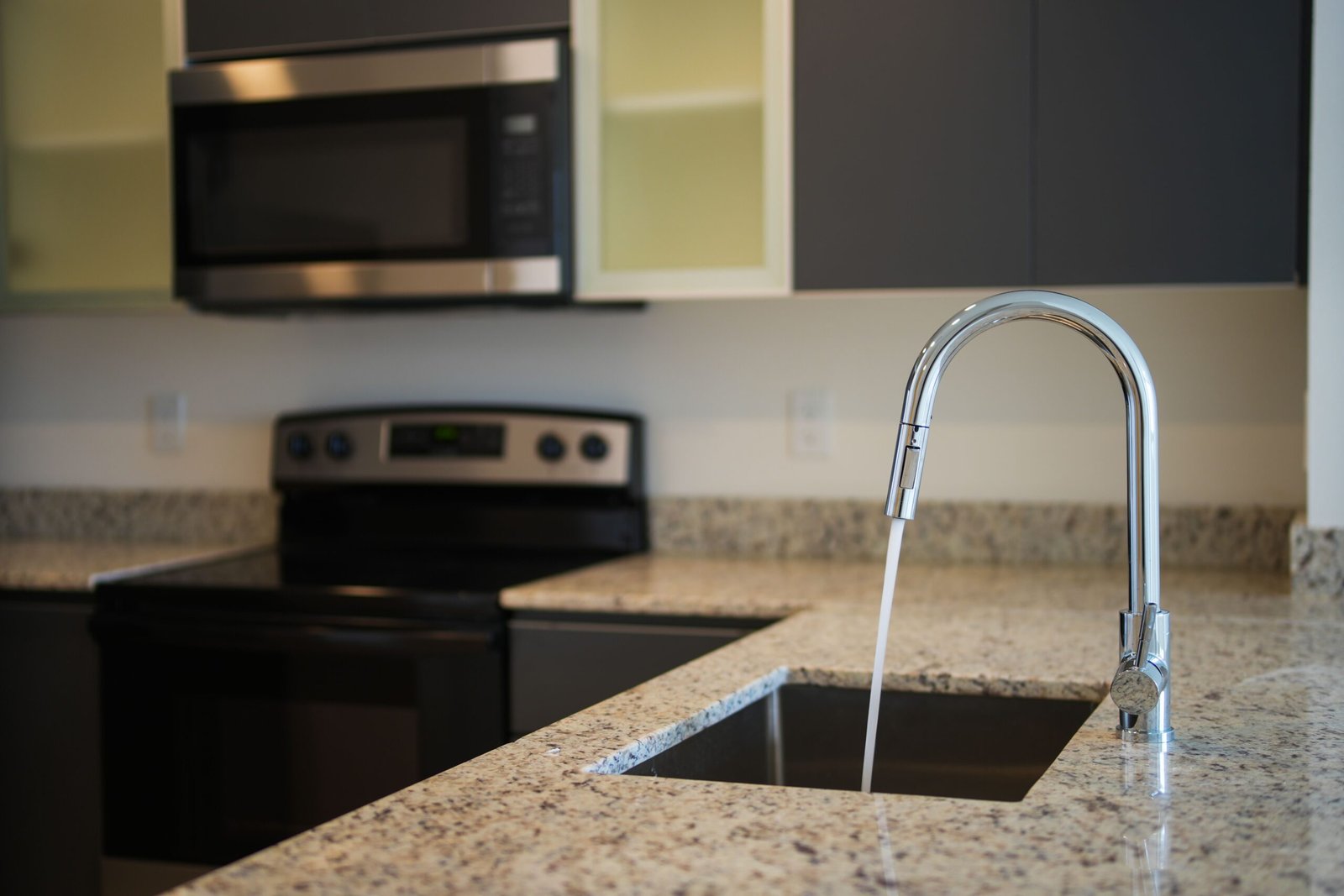
From preparing meals and washing dishes to filling water bottles and cleaning up after family gatherings, the kitchen plumbing system works hard every day. Because it handles so much daily activity, even small plumbing issues can quickly become frustrating disruptions.
Many homeowners don’t think much about their kitchen plumbing until something goes wrong. A slow drain, a leaking faucet, or a malfunctioning garbage disposal can suddenly interfere with daily routines and create unnecessary stress. Unfortunately, minor plumbing concerns often worsen when ignored, leading to larger repairs and higher costs.
Homeowners in Dayton, Ohio, understand the importance of keeping household systems operating smoothly throughout the year. Seasonal temperature changes, aging plumbing components, and regular wear and tear can all contribute to kitchen plumbing problems if preventive maintenance is overlooked.
The good news is that many common kitchen plumbing issues are avoidable. By understanding what causes these problems and taking simple preventive measures, homeowners can protect their plumbing systems, reduce repair costs, and keep their kitchens functioning efficiently for years to come.
Clogged Kitchen Drains and Sinks
Few kitchen plumbing issues are as common as a clogged drain. Over time, food particles, grease, soap residue, coffee grounds, and other debris can accumulate inside pipes. As the buildup grows, water begins draining more slowly until a complete blockage eventually forms.
Many homeowners accidentally contribute to drain problems by pouring cooking grease or oil down the sink. Although grease may appear harmless while hot, it solidifies as it cools and sticks to pipe walls. Over time, this creates stubborn obstructions that restrict water flow.
Early warning signs of a developing clog include slow-draining water, unpleasant odors, gurgling noises, and occasional backups. Addressing these symptoms promptly can help prevent more serious plumbing issues.
If you’re in search of professional kitchen plumbing services in Dayton, OH, local plumbers can help identify the source of the blockage, inspect connected plumbing components, clear stubborn obstructions, and address underlying issues that may be contributing to repeated drainage problems in kitchens and surrounding plumbing systems.
Preventing clogs is often much easier than removing them. Homeowners should avoid placing grease, oils, coffee grounds, and large food scraps down the drain. Installing a drain strainer can also help catch debris before it enters the plumbing system.
Regularly flushing drains with hot water can assist in reducing buildup and keeping water flowing properly. These simple habits can significantly reduce the likelihood of future drain issues.
Leaky Faucets and Fixtures
A dripping faucet may seem like a minor annoyance, but it can waste a surprising amount of water over time. Even small leaks can contribute to higher utility bills and unnecessary water consumption.
Kitchen faucet leaks often develop because of worn washers, damaged seals, corroded components, or loose connections. These parts naturally wear out over years of use, particularly in busy households where faucets are used frequently throughout the day.
Ignoring a leak rarely makes the problem disappear. In many cases, a small drip gradually worsens until repairs become unavoidable. Moisture from leaks can also damage nearby fixtures and cabinetry if left unchecked.
Fortunately, preventing faucet issues is relatively straightforward. Homeowners should inspect faucets periodically for signs of dripping, corrosion, or reduced performance. Addressing small problems early can help avoid more expensive repairs later.
Replacing worn parts before they fail completely is often a cost-effective way to extend the lifespan of plumbing fixtures while maintaining efficient water use.
Garbage Disposal Problems and How to Avoid Them
Garbage disposals are convenient kitchen appliances, but they are not designed to handle every type of waste. Improper use is one of the leading causes of disposal-related plumbing issues.
Common problems include jams, clogs, unpleasant odors, and motor overload. These issues often occur when homeowners place inappropriate materials into the disposal.
Items such as grease, cooking oil, bones, coffee grounds, pasta, rice, and fibrous vegetables can create blockages or damage internal components. These materials may accumulate within the disposal or further down the plumbing system.
Proper operation is one of the best forms of preventive maintenance. Running cold water before, during, and after using the disposal helps move waste through the system more effectively.
Regular cleaning can also help reduce odors and buildup. Grinding small amounts of ice or using manufacturer-approved cleaning methods can help keep the unit functioning properly.
By understanding the disposal’s limitations and using it responsibly, homeowners can avoid many common repair issues.
Low Water Pressure at the Kitchen Sink
Low water pressure can make everyday kitchen tasks more difficult and time-consuming. Washing dishes, rinsing produce, and filling containers all become less efficient when water flow decreases.
Several factors can contribute to low pressure. Mineral buildup inside faucet aerators is one of the most common causes. Over time, sediment and minerals from the water supply can restrict flow through these small components.
Other potential causes include pipe corrosion, partially closed shutoff valves, hidden leaks, or issues within the home’s plumbing system.
Regularly cleaning faucet aerators can help prevent buildup and restore proper flow. Homeowners should also pay attention to sudden changes in water pressure, as they may indicate a larger plumbing concern.
If cleaning the aerator does not resolve the issue, a professional inspection may be necessary to identify the underlying cause.
Maintaining consistent water pressure not only improves convenience but also helps ensure that plumbing systems continue operating efficiently.
Pipe Leaks Under the Sink
The area beneath the kitchen sink is one of the most common locations for household plumbing leaks. Multiple connections, supply lines, drain pipes, and valves are located in a relatively small space, creating numerous opportunities for wear and tear.
Small leaks often begin around fittings or pipe joints. Because these areas are hidden behind cabinet doors, homeowners may not notice problems immediately.
Warning signs can include damp cabinets, musty odors, water stains, warped materials, or visible moisture around pipes.
Even minor leaks can lead to significant damage if ignored. Water can weaken cabinetry, damage flooring, encourage mold growth, and create conditions that require costly repairs.
Regular inspections are essential. Homeowners should periodically check under the sink for signs of moisture, corrosion, or loose connections.
Addressing small leaks promptly can prevent much larger and more expensive problems in the future.
Kitchen plumbing plays an essential role in daily life, but it is often taken for granted until a problem occurs. Common issues such as clogged drains, leaky faucets, garbage disposal malfunctions, low water pressure, and under-sink leaks can disrupt routines and lead to costly repairs when ignored.
Fortunately, many of these problems are preventable. Simple maintenance habits, routine inspections, and prompt attention to warning signs can help keep kitchen plumbing systems functioning efficiently.
Preventive care not only reduces repair costs but also extends the lifespan of plumbing components and improves overall convenience.
By staying proactive and addressing small concerns before they escalate, homeowners can enjoy a more reliable kitchen, fewer plumbing emergencies, and greater peace of mind. A well-maintained plumbing system supports a smoother, more efficient home and helps prevent unnecessary expenses for years to come.
Leave a Reply