
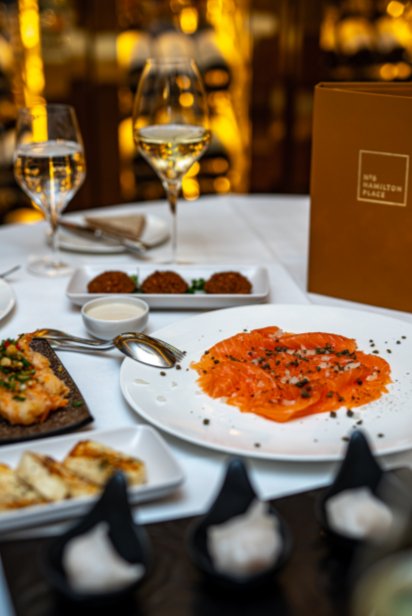
A special occasion warrants more than simply a tasty dinner. It demands a series of choices – executed well in advance of the evening – that subconsciously determine every experience from the initial sip of wine to the last sip of coffee. This handbook addresses the design of a high-end private dining experience: the economic foundations, the sensual preparations, the mechanical confirmations, and the strategic plays that distinguish a remarkable occasion from an unremarkable one.
Start with the architecture, not the guest list
Many hosts start their venue search by focusing on the capacity they will need, whether that’s 20 chairs around a boardroom table or 200 seats at round tables for a centenary event. Capacity, however, isn’t the right opening question. The first one should be: what does this event mean, and does the physical space communicate that message?
For instance, a wood-paneled room with heritage architecture signifies the importance of history before anyone makes a speech. Such a space might send different signals than contemporary design, with a wide-open layout and all-day sunlight. Neither is a wrong choice; a hundredth-anniversary dinner and a launch event for a cutting-edge firm could both be vying for that second space.
However, they’re sometimes at cross-purposes. In the case of prospective hosts weighing a large career achievement against a milestone personal celebration, the room’s aesthetic alone might solve the decision before further factors get stressed. A room that signals relaxed daytime networking if a baby shower is the goal is one that subtly undermines a speech about dedication and commitment.
Location prestige is also part of the equation. The neighborhood a venue sits in says something about the event before anyone steps inside. Securing a spot for Mayfair private dining in one of London’s most storied culinary districts immediately sets a tone – it signals to guests that care and intention were applied from the very first choice.
Understand what you’re actually paying for
The way luxury venues price their services can get pretty tricky. Most times, you won’t just be quoted a room hire cost without obligation to buy anything else. You will more likely be negotiating against a minimum spend, in which case the room might even be free. Or you could be dealing with a package price per guest covering space, food, and drink.
Each of these models offers the venue some advantages in terms of attracting particular types of events or guests. But this may not exactly fit your requirements. It’s therefore important for your budget that these details be made clear from the start.
Example: a venue with a minimum spend of $15,000 that covers food, wine, and service. If you were planning to spend $5000 on food and service, that would leave $10,000 for wine. If you have 50 guests, these numbers are doable. If you have 10 or 100 guests they may not be.
So, it will be to your long-term advantage to have these discussions early in the negotiations and get them locked down in the contract.
Design the evening in phases, not just courses
The beginning of a luxury event is not the dinner table. Guests do not arrive all at once, and you cannot expect everybody to fully transition from regular life to a special evening right away. A great event structure gives them a chance to do so.
That’s what the 30-to-45-minute standing, pre-dinner reception is for. Also known as the canapé reception phase, this time with passed drinks and small bites accomplishes both convenient objectives: It compensates for the fact that people drift in over 30 minutes or so, and it allows people to meet and catch up before being seated. It also helps get the energy level up before anyone even enters the dining room.
You’ll then move through phases such as reconsideration of background music versus table-conversation sound, and whether you need a phase after dinner that’s louder versus a little more controlled. Each new phase will have the staff subtly adjust the room for different needs, and apply a different sequence of lighting and pacing. If that all sounds nuts and control freaky, it is. But a great event is a performance. A tiny bit of apparent magic can yield an extraordinary evening. A great event coordinator is a bit of a magician. A bad one is a dabbler in black arts.
Collaborate with the kitchen, not just the menu
Standard banqueting menus are there for a reason. They’ve been tested for execution at volume, are predictable and you know exactly what you’re going to get. They’re impersonal and same-same, but for a once in a lifetime, that simply will not do.
Request a conversation with the chef and do it early. Not after you’ve signed on the dotted line. Share your desires, propensities, and the palate of the guest of honor. Get specific. One course that pays homage to the heritage of the man of the hour. A signature cocktail named after the occasion. A dessert that gives a nod to a shared moment. They don’t have to dominate the menu; one or two personal touches will be sufficient for treasuring the evening.
Part of the curation that is the bespoke menu-mix is also dietary management, and this is where details matter. Get the dietary restrictions from each guest before closing the menu, not as a rounding error at the bottom of your rsvp form. Submit a completed seating chart to the venue with every dietary restriction clearly annotated at least 72 hours before the dinner. This gives the kitchen enough time to prep a proper alternative rather than a room temperature substitute, and it means no guest faces a hole in the middle of service while figuring out what they can or cannot eat.
Build a wine progression with purpose
It’s a missed opportunity if your guests are merely handed a single wine list at the table. In a luxe private dining experience, the beverage side of the equation can be similarly designed to accompany the arc of the meal.
Work on the progression with the somm – lighter, delicate pours to start that ramp up in body and structure with the food. Champagne to start in the reception, maybe a white Burg with the fish, something big and bold to go toe to toe with your show-stopper main. That’s what going with the sommelier can offer: a journey that the beverages take without your guests even being fully aware of it.
If personal vintages are to be brought, which is always a nice and cherished touch (special bottles on a significant year) you’ll want to be clear about corkage well in advance. Some places are very loose with this, others are not. Best to learn the policy while you still have some latitude to adjust your planning.
The sensory details that most hosts overlook
Often, hosts tend to overspend on the size of table decorations but neglect their practicality. A centerpiece that is too large and blocks the view of guests sitting across the table from each other may ruin the whole dinner experience, despite how stunning it may be.
Floral arrangements and candelabras should be kept low enough so they don’t obstruct the view. This isn’t a design compromise – it’s how you make the table feel intimate and not blocked. The same goes for strong scents. Flowers with strong scents can interfere with the smell of the food and wine. Opt for flowers with more subtle scents, or use foliage and unscented candles for depth.
If you’re going to go full-lux on a tablescape, everything should match that level of formality: elevated linens, personalized place cards, lighting that pairs well with everything else. Every detail should reinforce the mood you are trying to create with the more high-dollar stuff, which means if a lot of those details aren’t as expensive, the overall effect won’t be either.
People do not realize how important lighting is in a room. Warm, dimmable lighting specifically will do more for the sense of occasion than almost any other single detail. Make sure the room has dimmable lights and that someone on staff understands how and when to adjust the lighting throughout the evening.
Audit the room before the speeches happen
Speeches and toasts are the moments that will move and inspire people at your milestone event, and are also the most easily ruined by circumstances beyond the speaker’s control. A room with hard surfaces, an overly spacious layout, or poorly placed speakers combined with high ceilings that results in poor acoustics will render even the most touching speech inaudible for half the room.
You might not think about it, but nothing can so swiftly kill the mood in a room like crestfallen faces of guests straining to hear what means the world to them, through the din of more raucous guests.
What’s the available wireless microphone situation? How many does the venue have and what’s the quality of the sound system? Can you control volume in various areas of the room without killing the atmosphere for the rest? If your venue doesn’t offer wireless mics, buy or rent them. Ambient room music should definitely be controlled and tailored for each section of the room separately.
Luxury hospitality and gourmet dining have grown 15% year-over-year (Bain & Company Global Luxury Report) meaning more people are committing to spending for fine events. The money is no longer just for the wedding dress and cake – people are enriching their experience and demanding better overall quality too. These are small details that start adding up really quick.
The 72-hour window that determines whether the night runs smoothly
About three days before your event, the quality of your planning shows: this is when you should be able to send the venue a final, final of everything: your guaranteed guest count, your completed seating chart with all dietary flags noted, the timeline for the evening, all your technical needs, and anything off the menu that’s been specially prepped by the kitchen.
That 72-hour window is the amount of time it will take for your event coordinator and the kitchen to process the information you’ve just inundated them with. Day-of instructions risk cluster and crunch time. No margin means all-day-and-all-night tension – and, at the luxury level, it’s never whether there are slip-ups but whether the team has been sufficiently prepped to handle it quietly before a guest gets wind.
A milestone event well-executed appears effortless. The actual work was weeks before, shaping the event with the venue, the chef, the sommelier, and the coordinator. This is where the magic is really made.
Leave a Reply