
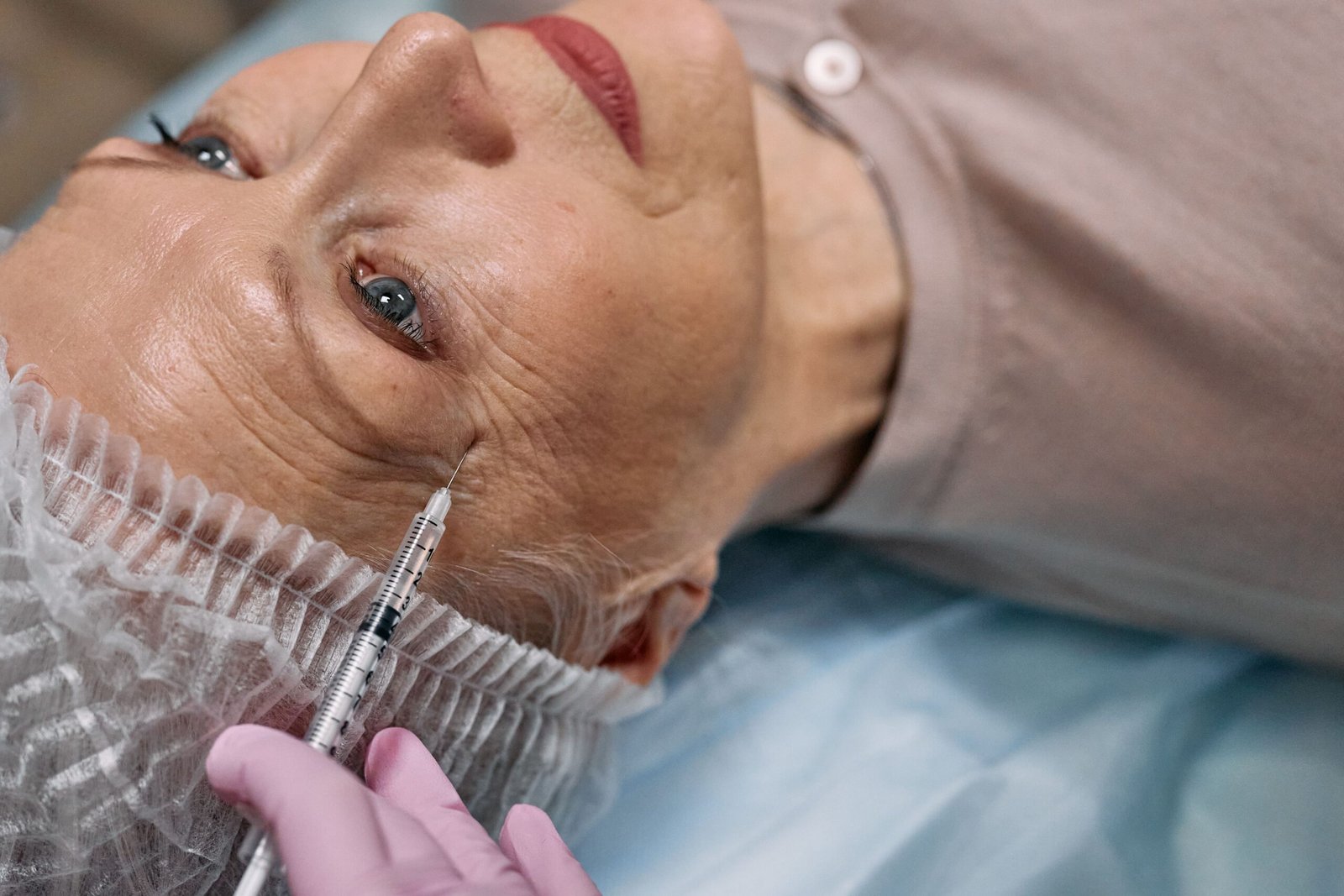
If you have ever looked into cosmetic treatments, you have probably come across plenty of opinions about Botox. Some people swear by it, while others avoid it because of things they have heard from friends, social media, or online discussions. The problem is that not everything people say about Botox is true. Many of the most common beliefs are based on outdated information or misunderstandings rather than facts.
Botox has been used for many years and remains one of the most popular non-surgical cosmetic treatments. Even so, many people still have questions about how it works, who it is for, and what kind of results they can expect. Before making any decisions, it helps to separate myths from facts. Understanding the truth can help you feel more confident if you are considering treatment or simply want to learn more.
Myth #1: Botox Always Creates a Frozen Look
One of the biggest myths about Botox is that everyone who gets it ends up with a stiff or expressionless face. While some people worry about losing the ability to smile or show emotion, that is not what properly performed Botox treatment is meant to do.
The goal is usually to soften lines while allowing natural facial movement to remain. Results depend on the amount of product used, the areas treated, and the skill of the medical professional performing the injections. A qualified provider creates a treatment plan that matches each person’s facial structure and cosmetic goals.
If you are still unsure about what Botox really looks like, watching videos about Botox from board-certified plastic surgeons can be a helpful way to learn. Educational videos often explain how treatments work, discuss realistic expectations, and answer common questions that many first-time patients have.
Myth #2: Botox Is Only for Older Adults
Many people believe Botox is something only older adults consider. In reality, adults of different ages choose Botox for different reasons.
Some people seek treatment after noticing wrinkles that have become more visible over time. Others begin earlier because they want to reduce repeated muscle movements that can eventually lead to deeper expression lines. This approach is often called preventive Botox.
Age alone does not determine whether someone is a good candidate. Factors like skin condition, facial muscle activity, personal goals, and overall health all play a role. A consultation with a qualified medical professional helps determine whether Botox is an appropriate option.
Myth #3: Botox Is Unsafe
Another common misconception is that Botox is dangerous. While every medical treatment carries some level of risk, Botox has been studied for decades and has a long history of use for both cosmetic and medical purposes.
Safety depends largely on receiving treatment from a qualified healthcare professional who understands facial anatomy and proper injection techniques. During a consultation, your provider should review your medical history, discuss possible side effects, and explain what you can realistically expect.
Most side effects are temporary and may include mild redness, swelling, or bruising at the injection site. Serious complications are uncommon when treatment is performed by experienced professionals following proper medical guidelines.
Myth #4: Botox Results Are Permanent
Some people assume that one Botox treatment lasts forever. Others worry that the effects can never be reversed. Neither belief is accurate.
Botox works by temporarily relaxing specific muscles that contribute to certain facial wrinkles. Over time, the body naturally breaks down the product, allowing muscle movement to gradually return.
Because of this, results generally last for several months before another treatment may be considered. The exact timeline varies from person to person depending on individual factors like metabolism, muscle strength, and the treatment area.
People who enjoy their results often schedule maintenance appointments, while others simply allow the effects to wear off naturally.
Myth #5: Botox Is Only Used for Wrinkles
Most people associate Botox with smoothing forehead lines or reducing crow’s feet, but cosmetic treatment is only one of its many uses.
Healthcare professionals also use Botox for several medical conditions. Depending on the patient’s needs and medical evaluation, it may help manage chronic migraines, excessive sweating, certain muscle disorders, and other approved conditions.
Not every condition can be treated with Botox, and it is not the right solution for everyone. Treatment recommendations should always come from a qualified healthcare provider who can determine whether Botox is appropriate for a particular situation.
Understanding its broader medical uses helps show that Botox is more than simply a cosmetic treatment.
Myth #6: The Procedure Is Very Painful
Fear of pain keeps some people from scheduling a consultation. Fortunately, Botox treatments are generally much quicker and more comfortable than many people expect.
The injections use very small needles, and the appointment itself often takes only a short amount of time. Many patients describe the feeling as a small pinch that lasts only a few seconds.
Some providers may use ice or other comfort measures before treatment, although many patients find they do not need them. Mild tenderness afterward is possible, but it usually goes away quickly.
Everyone experiences discomfort differently, but most people are pleasantly surprised by how simple the procedure feels.
Myth #7: Once You Start Botox, You Can Never Stop
Another myth suggests that once someone begins Botox treatments, they have to continue forever.
The truth is much simpler. Botox is completely optional, and people can stop treatments whenever they choose. If someone decides not to continue, the product gradually wears off, muscle movement returns, and facial lines slowly return to their natural appearance.
Stopping Botox does not suddenly create new wrinkles or cause the skin to age faster. Instead, the aging process simply continues as it normally would.
This flexibility allows people to decide whether ongoing treatment fits their personal preferences over time.
Making decisions about cosmetic treatments starts with reliable information. When you understand what Botox can and cannot do, many of the common myths become much easier to recognize. Whether you decide to move forward with treatment or simply want to learn more, taking the time to research trustworthy sources and speak with qualified medical professionals can help you make a choice that feels right for you.
Leave a Reply