
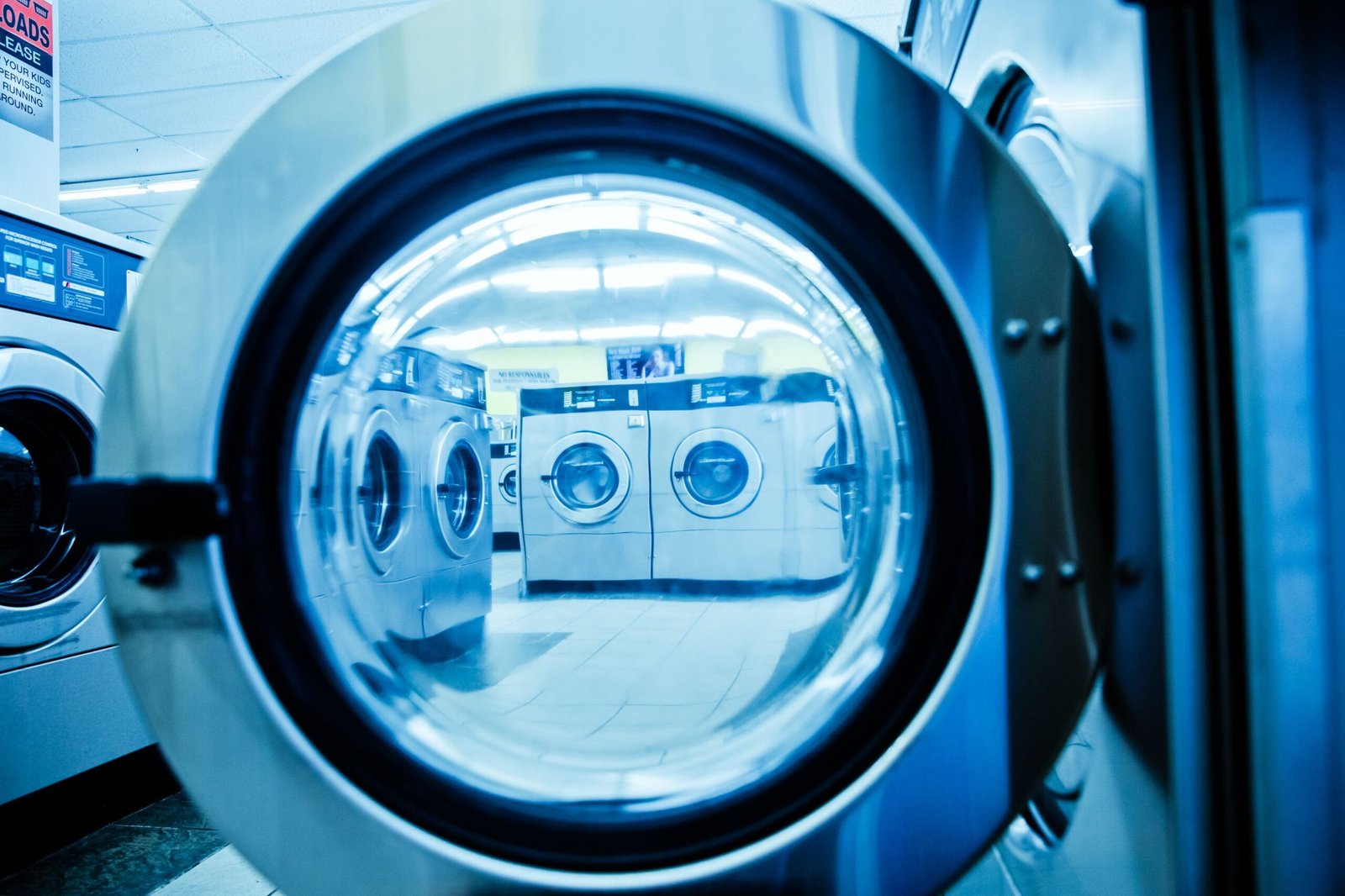
Laundry rooms are easy to ignore until the floor starts doing its best impression of a kiddie pool. The tricky part is that water problems often begin small. A little drip behind the washer can quietly turn into stained walls, warped flooring, or that funky smell nobody wants near clean clothes. If you want to keep your home in good shape, it helps to know what warning signs matter, what causes them, and when a quick fix is enough.
Spot Trouble Early
Most laundry room water problems don’t begin with a dramatic splash. They usually start with clues that are easy to shrug off. You might notice a damp sock on the floor even though the wash cycle ended hours ago. Maybe the room smells musty, or the baseboard near the machine looks a little swollen.
Watch for changes like bubbling paint, soft spots in vinyl flooring, or water stains creeping along the wall. If your washer suddenly rocks, makes odd noises, or leaves tiny puddles after a load, that’s worth your attention. Small signs often mean water has been escaping for a while.
A good rule is simple. If something feels off more than once, don’t assume it fixed itself. Houses are funny that way. They rarely solve their own problems. Catching moisture early gives you a much better shot at avoiding repairs that cost more than the machine itself.
When Leaks Need Help
Not every laundry room drip turns into a disaster, but some problems go beyond a towel and good intentions. If water has spread under the flooring, soaked drywall, or left a strong damp smell behind, you may be dealing with more than a surface mess. Waiting on this kind of damage only lets it settle deeper into the structure. Call a washing machine leak specialist before the moisture reaches the subflooring and framing. Same-day extraction and drying restore full function to the space. Left alone, the damage keeps eating into materials that cost far more to replace than to protect.
The biggest issue is hidden moisture. Water loves sneaking under trim, behind walls, and into corners you can’t see. By the time the floor looks dry, moisture may still be hanging around like an unwanted houseguest. That can lead to warping, staining, and mold growth.
If the leak was large, repeated, or unnoticed for several days, getting cleanup handled properly is often the smart move. It can save you from bigger headaches later. Quick action here is less about panic and more about preventing your laundry room from becoming the wettest room with the cleanest shirts.
Check The Usual Suspects
When a washer leaks, the cause is often something fairly ordinary. Start with the hoses behind the machine. If they look cracked, bulging, or loose at the connection points, they could be the culprit. Even a tiny hose failure can send out more water than you’d expect.
Next, look at the drain hose. If it’s pushed too far into the standpipe or has a kink, water may back up during the spin cycle. Front-load washers can also leak from worn door seals. Bits of lint, hair, or even a stray coin can stop the seal from closing tightly.
Overloading the washer is another common cause. Stuffing it too full puts extra stress on parts and can throw water where it doesn’t belong. An unlevel machine can do the same thing by shaking too hard during spin.
If you’re checking things yourself, focus on what’s visible and obvious first. You don’t need detective music in the background. Just a flashlight, a few minutes, and a willingness to inspect the boring stuff.
Protect Floors And Walls
A few simple upgrades can make your laundry room much less vulnerable to water damage. One of the easiest is a washer drip pan. It sits underneath the machine and helps catch small leaks before they spread across the floor. It won’t stop every flood, but it can buy you time.
Give the washer a little breathing room too. If it’s crammed tight against the wall, hoses can bend or rub in ways that cause wear. Keeping a bit of space behind the machine helps prevent that. Water alarms are also handy. These little devices beep when they detect moisture, which is great if your leak likes to appear quietly.
Wipe down the area now and then, especially around hose connections and the edges of the machine. That makes it easier to spot fresh moisture instead of wondering if the floor always looked like that.
If your laundry room is on an upper floor, these small protections matter even more. Water doesn’t believe in staying in one room. It loves a downstairs tour.
Build A Quick Routine
The best prevention plan is one you’ll actually do. A quick weekly check is usually enough to catch most laundry room problems early. After your last load of the week, glance behind the washer if you can. Look for drips, dampness, or anything that seems out of place.
Once a month, inspect the hoses more closely and make sure the machine is still level. Check the door seal if you have a front-loader and wipe away lint or grime. If your machine has a filter that needs cleaning, put it on your calendar so it doesn’t become a mystery project six months later.
Here’s a simple routine that works well:
- Check the floor for damp spots
- Look at hose connections
- Wipe the washer seal
- Sniff for musty odors
- Make sure the drain area looks normal
That’s it. Nothing fancy. Just a few minutes can help you avoid a surprise that turns laundry day into mop day.
Know When To Act Fast
Some warning signs mean you shouldn’t wait and see what happens. If leaks keep coming back, the flooring feels soft, or the wall near the washer starts staining or bubbling, move quickly. Those signs suggest water is settling where it shouldn’t.
A moldy smell that sticks around after cleaning is another red flag. So is water that spreads outside the laundry room or shows up in a nearby hallway, closet, or ceiling below. At that point, the problem may be bigger than the washer itself.
You should also act fast if the machine suddenly dumps a large amount of water or if a hose bursts. Shut off the water supply, unplug the machine if it’s safe, and start cleanup right away. Speed matters because moisture damage gets worse by the hour, not the week.
Laundry rooms don’t need much attention most of the time. That’s why small issues are so sneaky. Stay observant, keep a basic routine, and take water seriously before it turns your home into a spin cycle of repairs.
Leave a Reply