
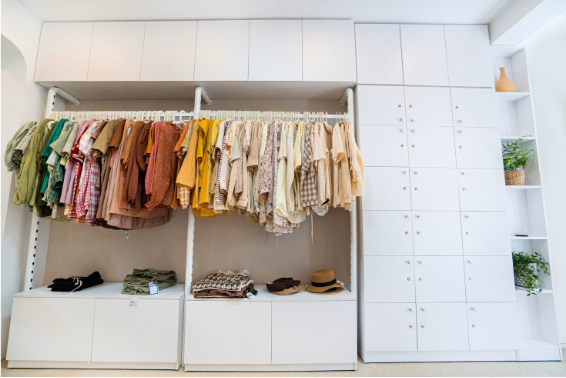
Image credit: Unsplash
A closet can be packed with clothes, yet choosing something to wear can still feel frustrating. Constantly buying new outfits may offer a quick fix, but it often leads to more clutter, more spending, and the same feeling of having nothing that works. The secret to dressing well without overspending isn’t about owning more clothes; it’s about making smarter choices when you buy them.
Why Cheap Fashion Can Cost More
Fast fashion has a powerful pull. Trendy items at incredibly low prices make it easy to pick up something new for every occasion. But this approach often costs more in the long run. These clothes are usually made with cheaper materials and construction, meaning they stretch, fade, or fall apart after just a few washes. You end up replacing items constantly, turning your wardrobe into a revolving door of disposable clothing. Moving past this model is the first step toward building a lasting, cost-effective style. You can still save money and still be fashionable without constantly chasing cheap trends.
Building a Versatile Wardrobe
Imagine a closet where almost every top goes with every bottom. That’s the magic of a versatile wardrobe. Instead of buying clothes for one specific event, focus on pieces you can mix and match to create many different looks. Start with a base of neutral colors like black, navy, cream, gray, and white. These shades are timeless and easily pair with each other and with brighter accent colors. When you have solid, versatile basics, you don’t need as many items overall. This strategy is key to investing in a timeless wardrobe that works for years, not just a season.
Investing in Foundational Pieces
Every great wardrobe is built on a few high-quality core pieces. These are the items you’ll grab again and again, so it makes sense to invest in versions that will last. Think of a classic trench coat, a perfectly fitting pair of dark-wash jeans, or a simple, elegant black dress. These items might cost more upfront, but their durability and timeless appeal make them worth it.
The same idea applies to what you wear underneath. A good quality bra, like a Natori balconette push-up bra, not only offers better support and comfort but also creates a smoother shape under your clothes, making everything you wear on top look better.
The Cost-Per-Wear Principle
One of the best ways to change your shopping habits is to think about “cost per wear.” This simple calculation shows you the real value of an item. To figure it out, divide the item’s price by how many times you expect to wear it.
For example, a cheap $40 jacket that you only wear five times before it goes out of style or wears out has a cost per wear of $8. On the other hand, a classic, well-made $200 jacket that you wear 100 times has a cost per wear of just $2. The more expensive jacket actually ends up being the more economical choice. This way of thinking encourages you to buy things based on how long they’ll last and how useful they are, rather than just the initial price.
Maintenance Tips for Longevity
Once you’ve invested in quality pieces, taking good care of them is crucial to making them last. Small habits can make a huge difference in how long your clothes look their best.
- Read the Care Label: Those little symbols aren’t just suggestions. Follow washing and drying instructions to stop shrinking, stretching, and fading.
- Wash Less: Items like jeans and sweaters don’t need washing after every single wear. Often, just airing them out is enough.
- Use Cold Water: Washing with cold water is gentler on fabrics and helps colors stay vibrant.
- Learn Basic Mending: Knowing how to sew on a button or fix a small tear can save a favorite garment from the donation pile.
- Store Properly: Fold heavy sweaters so they don’t stretch out on hangers, and give your shoes room to breathe.
Shifting your focus from how much you own to the quality of what you own helps you build a wardrobe you love, saves you money, and makes getting dressed every morning a simple joy.
Leave a Reply