
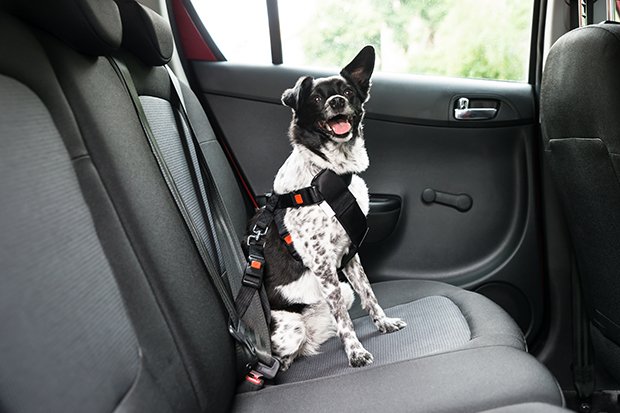
Australians love exploring the great outdoors, and bringing the family dog along makes the experience even better. According to recent data, nearly half of Australian households now own a dog, equating to approximately 7.4 million dogs nationwide. However, heading into the rugged outback or traversing coastal tracks requires more than just a sense of adventure. A recent industry survey noted that nearly half of pet owners admit to travelling with completely unrestrained animals. This dangerous practice contributes to around 5,000 pet injuries annually on our roads, making proper vehicle preparation absolutely essential before embarking on your next journey.
The Critical Importance of Secure Transport
Transporting your dog safely must be a priority for any four-wheel drive owner. Unrestrained dogs on open ute trays face extreme risks on uneven off-road tracks. They can easily lose their balance, fall over rough terrain, or suffer severe injuries if tied on a long leash that could cause strangulation. The RSPCA explicitly warns against improper transport, noting the high risk of severe paw pad burns from hot metal surfaces. Additionally, local state road safety authorities mandate secure restraints, with fines for improper animal transport currently averaging around $250 across the country.
To meet these stringent safety requirements and keep pets protected from the elements, many drivers upgrade their vehicles with heavy-duty enclosures. Searching for a durable dog box in Australia wide is often the first step to providing that necessary physical protection. A well-constructed aluminium canopy gives your pet a secure, size-appropriate space that eliminates the risk of them falling from the tray during sudden braking or steep ascents.
The physics of an accident make securing your pet absolutely vital. A report from the American Veterinary Medical Association highlights a terrifying reality, noting that an unrestrained 60-pound dog at just 35 mph can become a 2,700-pound projectile in a crash. Translating this to our local speeds, the forces involved even at lower limits are catastrophic. Properly secured and ventilated kennels remain the only truly safe option for transporting dogs in open cargo areas to prevent severe injury.
Essential Upgrades and Gear for Your 4×4
Getting your vehicle ready for a remote trip means making smart, purpose-built modifications. Just as you would review general road trip safety advice for the whole family , you need to carefully consider how your four-legged passenger will handle the journey.
Consider adding the following upgrades and items to your off-road checklist:
- Heavy-duty suspension: A sturdy suspension setup absorbs harsh impacts, ensuring a smoother ride in the back of the ute.
- Adequate ventilation: Dogs rely on panting to regulate their body temperature. Ensure their travel enclosure has built-in cross ventilation to provide constant ambient airflow.
- Spill-proof water bowls: Hydration is non-negotiable in the harsh Australian sun. Mount a spill-proof bowl inside the enclosure so your dog has access to fresh water without soaking their bedding on bumpy tracks.
- First aid kit: Pack a pet-specific first aid kit that includes bandages, antiseptic wipes, and tweezers for tick or splinter removal.
Managing Environmental Hazards Off the Beaten Track
The Australian environment is uniquely harsh and presents several hidden dangers for travelling pets. One of the most immediate threats is heat. A dog’s normal body temperature sits around 38 to 39 degrees Celsius. If they are confined in an unventilated vehicle space or exposed on an open ute tray, their core temperature can rapidly surpass 41 degrees. This quickly leads to cellular damage and multiple organ failure. With a recent clinical study recording a 23 percent fatality rate for canine heatstroke cases in Australia, robust shade and airflow are biological necessities. Popular working and outdoor breeds, such as Labrador Retrievers, Border Collies, and Australian Kelpies, are particularly prone to exertional heat-related illness.
Another major hazard to be aware of is the widespread use of 1080 poison baiting programmes. The lethal toxin sodium fluoroacetate is commonly distributed across national parks, state forests, and private agricultural lands to control invasive pests like foxes and wild dogs. Because domestic dogs are natural scavengers, allowing them to roam freely during rest stops can have fatal consequences. Having a secure and comfortable enclosure means you can safely contain your dog while you assess the area or take a quick break, completely removing the risk of them ingesting toxic baits.
Preparing your 4×4 for a dog-friendly adventure takes time, research, and financial investment, but the peace of mind is entirely worth it. By upgrading your vehicle with a purpose-built enclosure, maintaining steady airflow, and understanding the environmental hazards of the bush, you can ensure your dog stays safe. With the right preparation, you and your furry companion will be ready to tackle the toughest off-road tracks together in absolute comfort.
Leave a Reply