
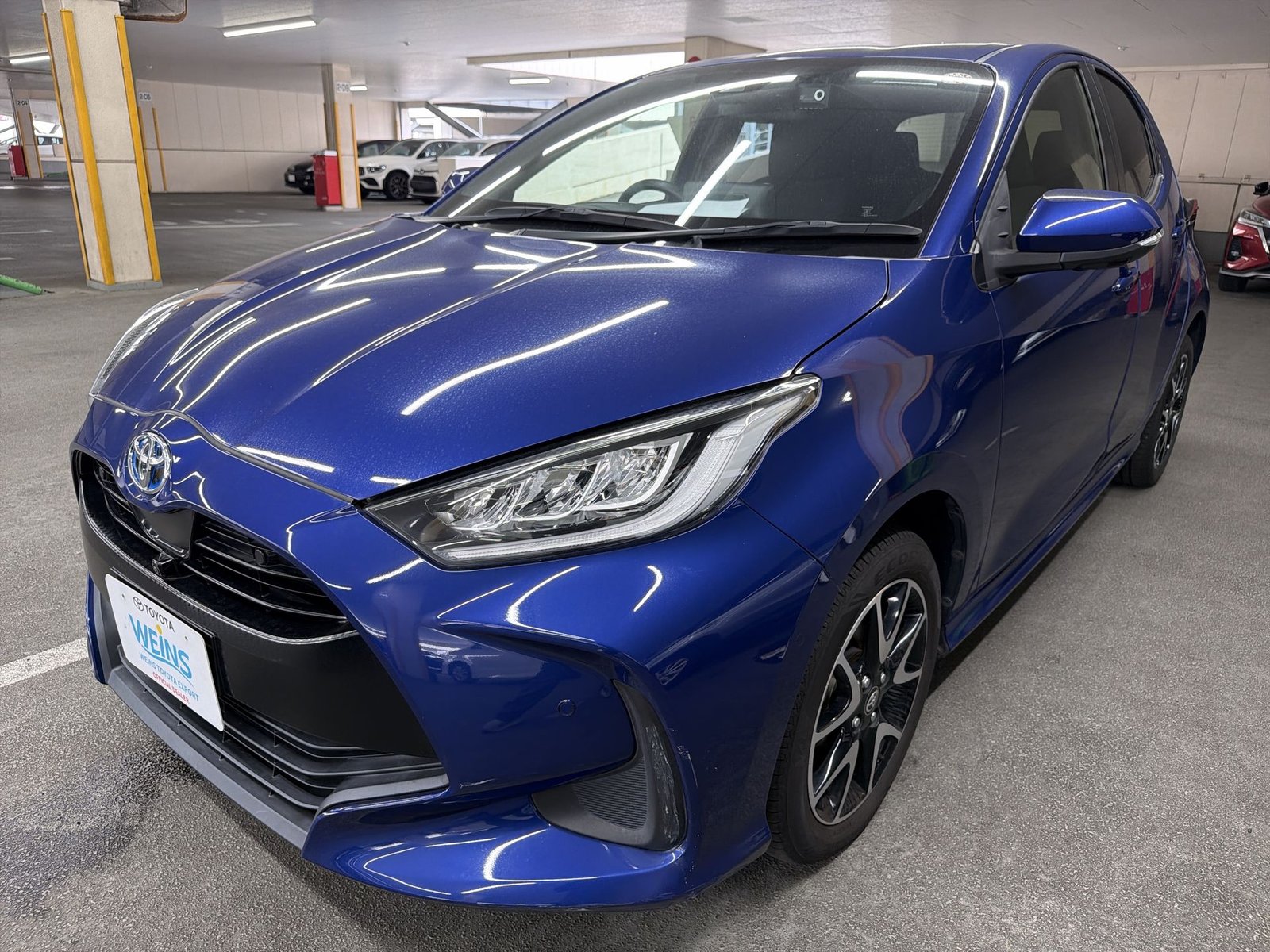
Importing a car for the first time means navigating a process most buyers have never dealt with before, one involving international shipping, unfamiliar paperwork, and a purchase decision made entirely from photos and descriptions. There’s no test drive, no walking around the car in a lot, and no chance to ask a follow-up question in person before money changes hands.
Knowing the right questions to ask upfront, how to find a dealer worth trusting, and how to actually compare vehicles from a distance turns an intimidating process into a manageable one. For anyone importing their first used car, here’s what that process actually involves from start to finish.
1. What Documents Will I Actually Receive, and When?
A used car export typically involves an invoice, a bill of lading once the vehicle ships, and an export certificate confirming it’s been properly deregistered in Japan. Japan Customs explains that exported goods must go through export declaration procedures and receive customs clearance before leaving Japan, which is why proper export documentation is a critical part of an international vehicle purchase.
First-time buyers should ask exactly which documents they’ll receive, and at what stage of the process each one arrives. Understanding this timeline in advance prevents confusion later, since a buyer who doesn’t know what to expect may mistake a normal step in the process for a red flag, or miss an actual warning sign because they didn’t know what documentation should have arrived by a certain point.
2. How Is the Vehicle’s Condition Actually Verified?
Since a first-time importer typically can’t inspect a car in person before buying, it’s worth asking directly how the seller verifies a vehicle’s condition before listing it. Some sellers rely entirely on photos submitted by a previous owner, while others conduct their own inspection as part of a trade-in or acquisition process.
This distinction matters enormously, since a seller with their own verification process has more direct knowledge of a car’s actual condition than one simply relisting a vehicle sourced from elsewhere.
3. What Happens If the Car Doesn’t Match the Description?
Before paying, it’s worth understanding what recourse exists if a vehicle arrives in a different condition than what was described or shown in photos. Reputable sellers should be able to explain this clearly, including how disputes are typically handled and what documentation would support a claim.
A seller unwilling to answer this question directly, or one who deflects it entirely, is worth treating as a warning sign, since this is exactly the kind of protection a first-time buyer is most likely to need.
4. What Are the Total Costs, Including Shipping and Fees?
The vehicle’s listed price is rarely the full cost of an import. Shipping, insurance, destination port fees, and any local import duties or taxes all add to the total, and these costs vary considerably depending on the destination country and shipping method.
Asking for a complete cost breakdown upfront, rather than assuming the listed price is the final number, helps first-time buyers budget accurately and avoid unexpected costs once the vehicle is already in transit.
5. What Import Requirements Does My Country Have?
Different countries require different documentation and inspections before a used vehicle can be imported, and these requirements are the buyer’s responsibility to meet, not just the seller’s. Some countries require a specific pre-shipment inspection, while others have age restrictions or emissions requirements that affect which vehicles even qualify for import.
For buyers bringing a car into Tanzania, specialist vehicle import services can help coordinate destination-specific steps such as pre-shipment inspection, shipping and customs-clearance support. These requirements are worth checking before committing to a vehicle, as they can affect both eligibility and the paperwork needed when the car reaches port. Planning them early also reduces the risk of discovering an avoidable compliance issue after shipping has already begun.
Asking the seller directly whether they’re familiar with these requirements for your specific destination country can reveal whether they have real experience shipping there, or whether this would be new territory for them as well.
6. How Long Will the Entire Process Actually Take?
Shipping times vary considerably depending on destination and vessel schedules, and first-time buyers often underestimate how long the full process, from purchase to the vehicle actually arriving, tends to take. Asking for a realistic timeline, including buffer time for customs processing, helps set expectations rather than leaving a buyer anxiously checking for updates with no sense of what’s normal.
A seller with experience shipping to your specific region should be able to give a reasonably accurate estimate based on past shipments, rather than a vague or overly optimistic timeline.
How to Find a Reliable Used Car Dealer
Not every seller offering export vehicles has the same track record or transparency, and a few checks help separate a trustworthy dealer from a listing that only looks legitimate. Here’s what’s worth confirming before trusting anyone with a purchase this significant.
- Verifiable business history — Confirms the dealer has an established, traceable presence rather than existing only as a website.
- Their own trade-in network — Shows vehicles have a real, known origin rather than being sourced sight-unseen from a third party.
- Consistent documentation practices — Indicates the dealer issues invoices and certificates as standard process, not as an afterthought.
- Experience with your destination country — Confirms familiarity with the specific import requirements your country actually enforces.
For anyone researching a used car purchase from overseas, these checks are a reasonable starting point before sending any payment. WEINS Toyota Kanagawa is one option that fits this profile, having operated as a franchise Toyota dealer since 1956 with its own trade-in network built over decades.
How to Compare Different Used Cars and Choose the Right Model
Comparing vehicles from a distance means relying more heavily on documented details than a first-time buyer might expect, mileage, service history, and any noted damage all matter more when there’s no test drive to confirm them. Looking at multiple similar listings side by side, rather than evaluating one car in isolation, makes it easier to judge whether a specific price and condition combination is actually reasonable.
It’s also worth weighing practical factors specific to your destination, like parts availability and common repair costs for a given model in your country, since a popular model in Japan isn’t always the easiest to maintain elsewhere. Narrowing choices to two or three well-documented options, rather than deciding quickly on the first listing that looks appealing, tends to produce a better outcome for a first-time importer.
Final Thoughts
Buying a car sight-unseen from another country is a very different experience than shopping locally, and knowing which questions to ask, how to vet a dealer, and how to compare models from a distance is what separates a smooth first import from a stressful one.
Documentation, verified condition, and realistic expectations about the process all deserve attention before any payment is made. Taking these steps seriously upfront is what turns an intimidating first import into a manageable, confident purchase.
Leave a Reply