
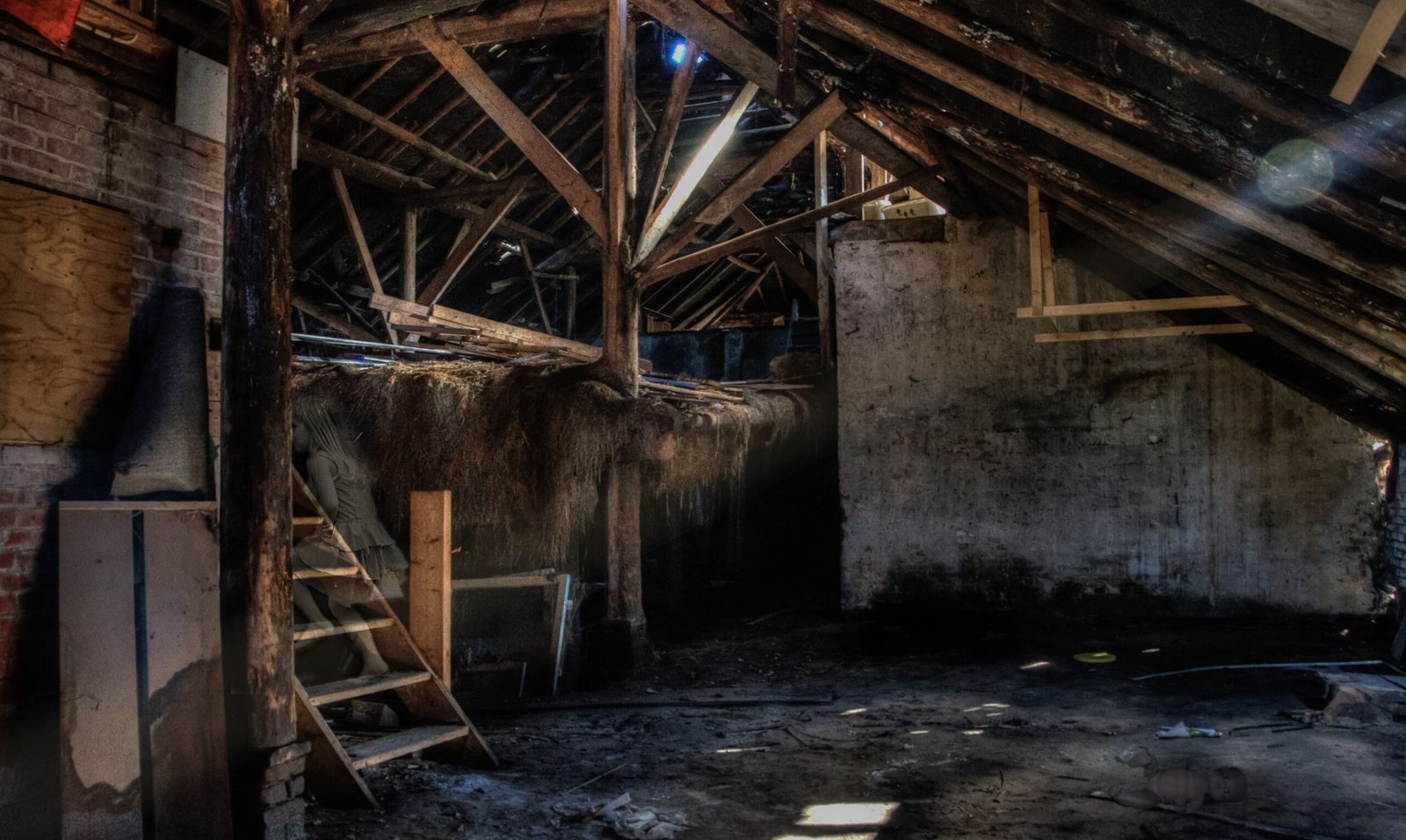
Warm weather changes the way a house behaves. Air moves differently, materials expand, and the highest part of a home holds heat long after the sun goes down. Those conditions shape more than an energy bill. They also shape which creatures decide that the space above the ceiling is worth moving into. Summer is the season when attic activity climbs, and most homeowners do not notice until a noise starts overhead at night.
Heat Builds a Shelter Nobody Planned
Attics take the worst of the summer sun, and the trapped air up there can sit far above the temperature of the rooms below. That heat dries out wood, loosens seals around vents, and opens gaps along rooflines that were tight in cooler months. Once those gaps appear, animals find them quickly, and a single opening the width of a fist is enough for a squirrel or a raccoon to work its way inside. Damage follows fast because chewed wiring, soiled insulation, and torn ductwork all happen out of sight.
Speak to a professional at the Covenant Wildlife Removal company to handle safe trapping and removal of the animals in the attic. A good service responds quickly and seals the entry points so the same route cannot be used again.
Why the Space Above Your Ceiling Looks Appealing
Every animal that moves into a structure is looking for the same three things. Shelter from weather, a quiet place to raise young, and somewhere close to food and water. An attic delivers all three better than a hollow tree does. It stays dry during summer storms, it sits high off the ground and away from predators, and it holds soft nesting material in the form of insulation and cardboard boxes.
Timing matters too. Late spring and summer are when many species are raising their young, so the search for a protected den site gets urgent. A mother animal will work much harder to get inside than a lone adult will, and she will keep returning to the same spot even after being pushed out once. That persistence is why summer intrusions rarely resolve on their own.
Common Signs That Something Moved In
Most homeowners hear a problem before they see one. Scratching, thumping, or scrabbling sounds overhead usually start around dawn or just after dark, when nocturnal species leave and return. Daytime scampering points toward a different set of visitors, since some species are active while the sun is up.
Smell is the second signal. Urine and droppings soak into insulation, and the odor spreads through ceiling vents into living space. A sour, musty smell that gets stronger on hot afternoons is worth taking seriously.
Then there are the visual clues. Look for stained or flattened insulation, shredded paper or fabric gathered into a pile, greasy smudge marks along beams, and small piles of droppings near the eaves. Outside, check for chewed corners on soffits, torn vent screens, missing shingles near the roof edge, and worn paths across the roof where an animal travels the same route each night.
Trees, Roofs, and Easy Access
Overhanging branches act as a bridge. A limb that reaches within a few feet of the roof gives climbing animals a direct path that avoids the ground entirely. Trimming branches back so nothing touches or hangs over the roofline removes that shortcut and makes the house harder to reach.
Gutters play a role as well. When they clog with leaves and hold water, the wood behind them stays damp and begins to rot. Soft fascia board is easy to tear open. Keeping gutters clear protects the roof edge and takes away a standing water source at the same time.
Chimneys deserve attention too. An uncapped flue is an open shaft leading straight into a dark, sheltered space. A proper cap with a screen closes it while still allowing smoke to escape.
Simple Habits That Reduce the Draw
Food is the strongest attractant on any property, and summer routines tend to create more of it. Trash cans left out overnight, pet bowls on the back porch, ripe fruit on the ground, and open bags of birdseed in the garage all send a signal that a property is worth investigating. Secure lids, sealed containers, and evening cleanup handle most of that.
Water is the quieter attractant. Birdbaths, clogged drains, leaky spigots, and pooled water under an air conditioning unit all provide a reliable drink during dry stretches. Fixing drips and emptying standing water makes a yard far less inviting.
Storage habits matter inside too. Boxes stacked in the attic, old fabric, and forgotten holiday decorations all become nesting material. Plastic bins with locking lids hold up better than cardboard and give nothing away.
Checking Your Roofline Before the Heat Peaks
A walk around the outside of the house twice a season catches most problems early. Stand back far enough to see the whole roof edge and look for shadows or dark lines where two surfaces should meet flush. Pay attention to corners, since that is where materials shrink apart first.
Vents are the usual weak point. Ridge vents, gable vents, and bathroom exhaust covers are built for airflow, not for keeping determined animals out, and the mesh behind them tears easily. Metal screening fastened over the opening holds up much better than plastic.
Inside, bring a flashlight up and scan the underside of the roof deck for daylight showing through. Any pinpoint of light is a gap, and a gap that lets light in will eventually let something else in.
What Happens When It Goes Unaddressed
Left alone, a single occupant becomes several. Nesting material builds up, droppings accumulate, and insulation compresses until it stops doing its job, which drives cooling costs higher through the hottest weeks of the year. Chewed wiring is the serious risk, since exposed conductors in a hot, dry space create real fire potential.
There is a health angle as well. Droppings and urine carry bacteria and parasites, and the dust from disturbed attic debris travels through the air handler into bedrooms. Cleanup of a contaminated attic is a larger job than the original intrusion ever was, which is the practical argument for acting on the first strange sound rather than the fifth.
Summer conditions are temporary, but the damage they invite is not. A little attention to the roofline, the yard, and the noises overhead keeps a small nuisance from turning into a rebuild.
Leave a Reply