
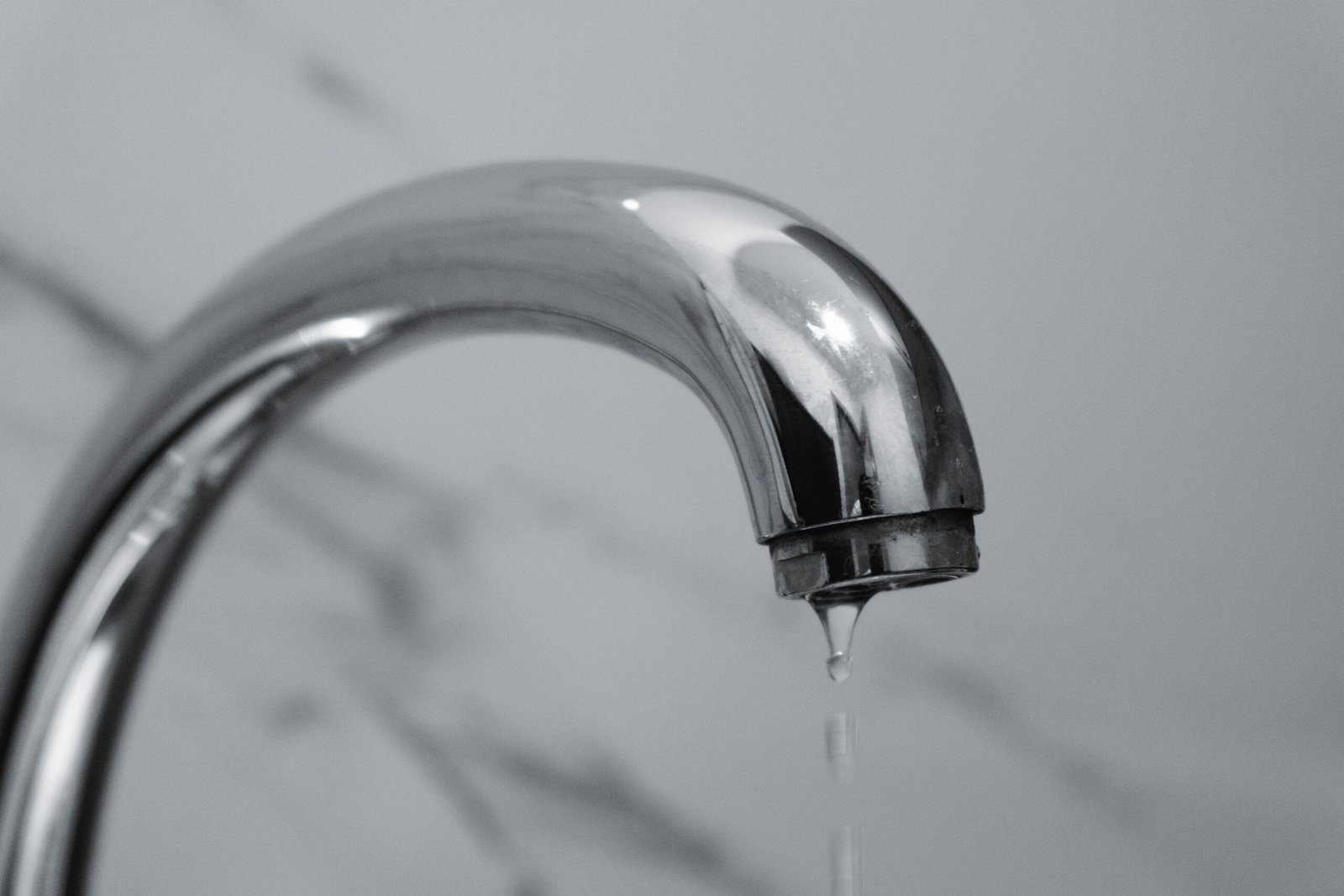
The most expensive repairs a homeowner faces are almost never sudden. They start small, sit unnoticed for months, and only announce themselves once the damage has spread far enough to be undeniable. By then the bill is several times what an early fix would have cost.
Preventive maintenance is not glamorous work, and nobody brags about it at dinner parties. But it is the single biggest lever a homeowner has over what they will spend across a decade of ownership.
The Damage That Hides Behind Walls
Some of the worst deterioration in a house happens entirely out of sight, and by the time a stain appears on a ceiling or a floor starts feeling soft underfoot, water has usually been moving through the structure for weeks. Supply lines running behind drywall and under slabs fail slowly, rotting framing and feeding mold in spaces nobody opens.
Anyone dealing with recurring leaks, unexplained water bills, or aging pipe systems should call in a professional from Plumbing Express to locate the source and repair or replace the failing section. Acoustic and trace gas equipment finds hidden leaks without tearing open finished walls to go looking.
Roof and Gutter Upkeep
The roof takes the most abuse of any part of a house and gets the least attention. Twice a year, ideally in spring and fall, look it over from the ground with binoculars if you cannot safely get up there. Curling shingles, missing granules collecting at the downspout, exposed nail heads, and cracked flashing around chimneys and vents all indicate the surface is nearing the end of its useful life.
Gutters matter more than people assume. Clogged gutters send water over the edge and down against the foundation, which is how basements start taking on moisture and how soil settles unevenly. Clear them at least twice yearly, more if the property has mature trees. Extend downspouts so discharge lands several feet from the house rather than pooling beside it.
Foundation and Grading
Foundation problems are the most expensive repairs most homeowners will ever face, and they are largely caused by water management. Soil should slope away from the house on all sides, dropping about six inches over the first ten feet. Where it slopes toward the structure instead, every rainfall drives water against the foundation wall.
Watch for the early signs. Diagonal cracks radiating from window and door corners, doors that suddenly stick or swing open on their own, gaps opening between trim and walls, and floors that feel noticeably out of level all point to movement. Hairline settlement cracks in concrete are normal. Cracks wider than a quarter inch, or cracks that keep growing, warrant an inspection.
Heating and Cooling Systems
Air handling equipment fails on the hottest and coldest days of the year because that is when it works hardest, and emergency replacement always costs more than planned replacement.
Change filters on the schedule the manufacturer recommends rather than when you remember. A clogged filter forces the system to work harder, drives up energy costs, and shortens equipment life. Have the system professionally serviced annually, with cooling checked in spring and heating in fall. Technicians catch worn capacitors, low refrigerant, and cracked heat exchangers before those become failures.
Keep the outdoor condenser clear of vegetation on all sides. Restricted airflow is one of the most common causes of premature compressor failure and one of the easiest to prevent.
Sealing the Building Envelope
Air leaks cost money continuously and quietly. On a windy day, run your hand around window and door frames, electrical outlets on exterior walls, and where pipes and wires pass through walls. Anywhere you feel movement, air is moving in both directions year-round.
Caulk and weatherstripping are inexpensive and take an afternoon. Attic insulation deserves a look too, since heat escaping upward in winter melts snow on the roof, which refreezes at the eaves and forms ice dams that force water back under the shingles.
Electrical Safety Checks
Electrical problems announce themselves subtly before they become dangerous. Breakers that trip repeatedly, outlets that feel warm, lights that flicker when appliances start, and any burning smell near a panel or fixture need attention immediately rather than eventually.
Test ground fault outlets in kitchens, bathrooms, garages, and outdoor locations monthly using the built-in test button. Replace any that fail to trip. In older houses, have the panel and wiring evaluated, particularly if the home still runs on a fuse box or has aluminum branch wiring.
Appliances and Water Sources
Anything in a house that holds or moves water is a future failure waiting for a date. Washing machine supply hoses are a classic culprit, and rubber hoses should be swapped for braided stainless steel and replaced roughly every five years. Refrigerator ice maker lines and dishwasher connections deserve the same periodic look.
Water heaters typically last ten to fifteen years. Flushing sediment from the tank annually extends that considerably and improves efficiency. When a unit approaches the end of its expected life, replacing it on your own schedule is far cheaper than replacing it after it dumps forty gallons onto a finished floor.
Building a Maintenance Routine
The most useful thing a homeowner can do is turn all of this into a calendar rather than a set of good intentions.
Monthly, test smoke and carbon monoxide detectors and check under sinks for moisture. Quarterly, change filters and inspect caulking around tubs and showers. Semiannually, clear gutters, inspect the roof, service mechanical systems, and walk the perimeter looking at grading and siding. Annually, flush the water heater, check attic and crawl spaces, and review the exterior for paint failure or wood rot.
Keep records. Note what was done, when, and by whom. That log makes patterns visible, helps you plan for major replacements before they become emergencies, and adds real credibility when it is eventually time to sell.
Knowing What to Hand Off
Plenty of maintenance is well within a reasonable homeowner’s ability. Filters, caulk, gutters, and visual inspections need no specialist. Other work does not belong to amateurs, and the line is worth respecting: anything involving gas, main electrical service, structural members, or roof access on a steep pitch.
The economics favor caution. A service call that catches a developing problem costs a fraction of what the eventual failure costs, and it costs far less than an injury or a botched repair that has to be redone properly by someone else.
Leave a Reply